
Video interview outfits that only need to work from the waist up should make your face the focus. You don’t need a brand-new wardrobe. You need a clear collar, controlled color, and one detail that reads before the first question.
- Build a Polished Blazer With a Statement Neckline
- Can a Cute Cardigan Look Interview-Ready?
- Monochrome Knitwear for a Sleek Silhouette
- Button-Up and Gold Chains: Set the Open-Collar Rule
- Frame the Face With Bold Earrings and a Simple Black Top
- Does a Sculptural Shoulder Line Help a Small Frame?
- Use the Three-Point Shine Rule With a Silky Blouse
- Cobalt Sweater, Quiet Accessories: Let Color Lead
- Pair a Collared Shirt Under a Cropped Blazer
- When Does a Statement Necklace Improve a Classic Crewneck?
- Start With Soft Tailoring and a Camera-Ready Collar
1Build a Polished Blazer With a Statement Neckline
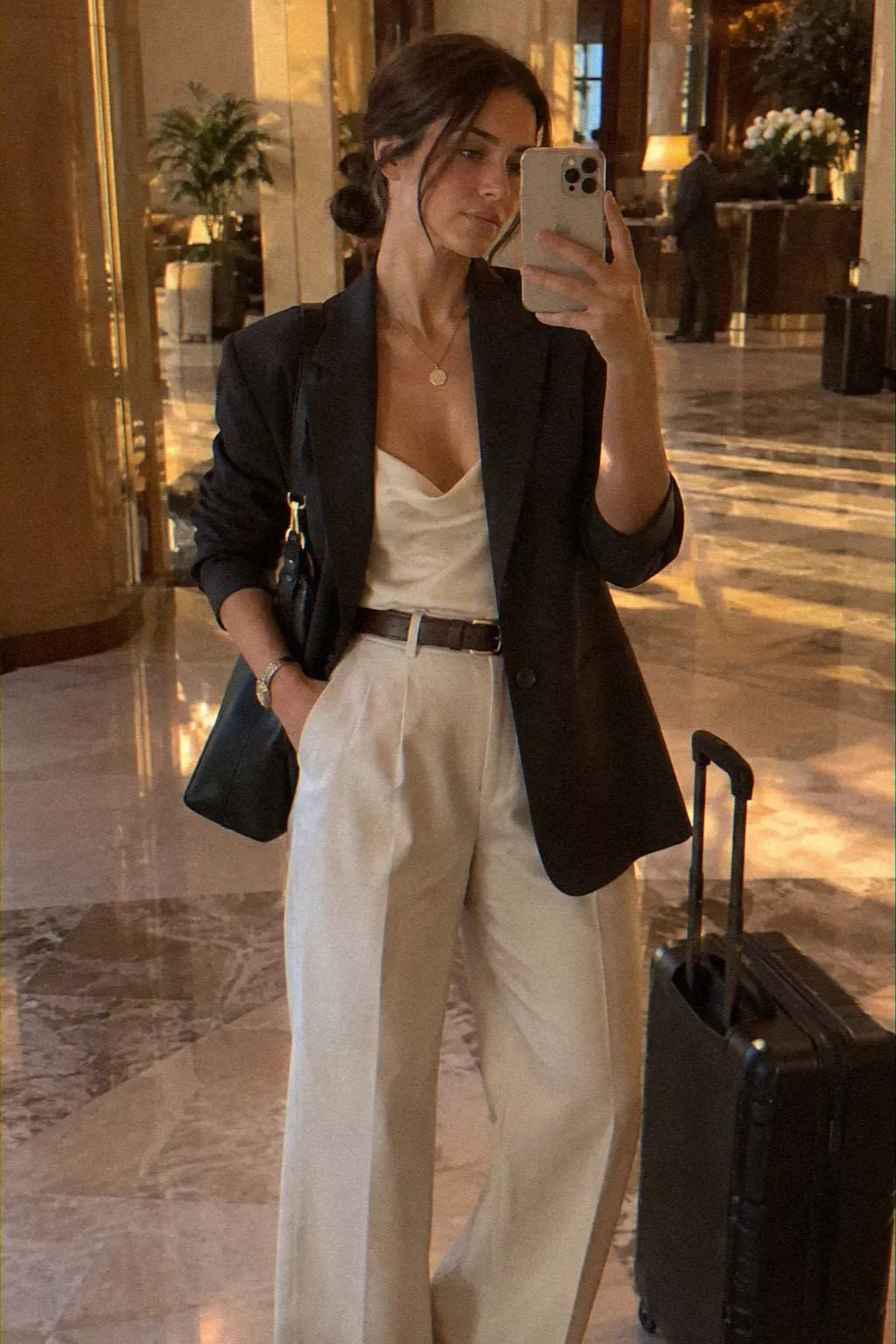
A tailored blazer gives your video interview outfit instant structure. The statement neckline keeps the frame from looking stiff. A clean lapel creates a reliable line around your face.
You don’t need a severe corporate jacket. You need shoulders that stay crisp while you sit, gesture, and lean toward the screen. That small distinction can make a budget blazer look like a smart value.
Choose a satin camisole, a high-neck knit, or a narrow square neck underneath. Avoid a loose scarf or ruffled collar. Both can bunch when you’re seated.
I prefer terracotta, stone, or muted olive here. These shades create polished contrast without making the outfit loud. They also give you more value because they work with several tops.
If you’re traveling, hang the jacket in the bathroom while the shower runs. Then brush the lapels flat with your hand.
For more guidance, compare this look with our what to wear to a video interview guide. You can also review simple business casual outfits for an interview before choosing how formal the frame should feel.
The blazer should carry the visual weight. Your background doesn’t have to help!
2Can a Cute Cardigan Look Interview-Ready?

Yes, if the knit has a defined edge and the earrings provide the sharpening detail.
A clay cardigan over a light linen-colored shell feels approachable without becoming casual. Add a pearl or warm aged-gold earring for definition. Keep the cardigan buttoned high enough that the neckline stays tidy when you move.
3Monochrome Knitwear for a Sleek Silhouette
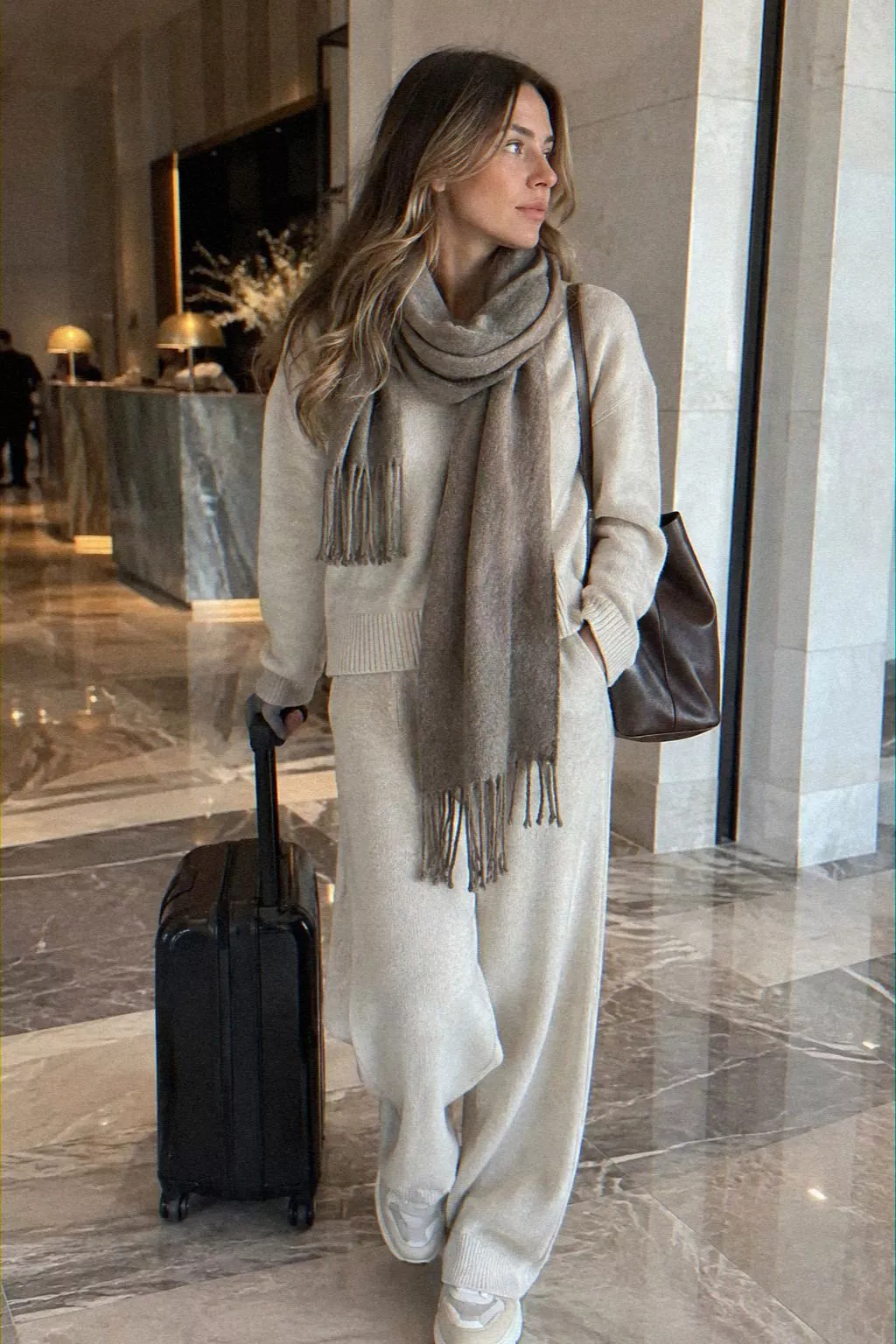
Monochrome knitwear creates a sleek silhouette because your eye doesn’t stop at a contrasting collar, button band, or printed edge. Keep the top and visible layer within one color family. Let texture provide the interest.
The strongest version uses a ribbed merino knit beneath a smooth cardigan or jacket. Ribbing gives the camera a readable vertical line. A single-tone layer keeps the frame calm.
Try plum, soft grey, or muted rose instead of choosing black by default. A full black outfit can lose its shape when the camera compresses dark fabric. Grey usually shows more texture.
Add a small rose-gold earring or use a pale background. You don’t need a complicated pattern when the knit itself has a visible line. That keeps the look modern and easy to repeat.
Try the outfit under your actual interview light. Your screen may make warm brown look red.
It may turn pale gray into cold blue. If you’re deciding between tonal dressing and a high-contrast shirt, these one-color outfit ideas explain why a single color can look remarkably composed.
4Button-Up and Gold Chains: Set the Open-Collar Rule
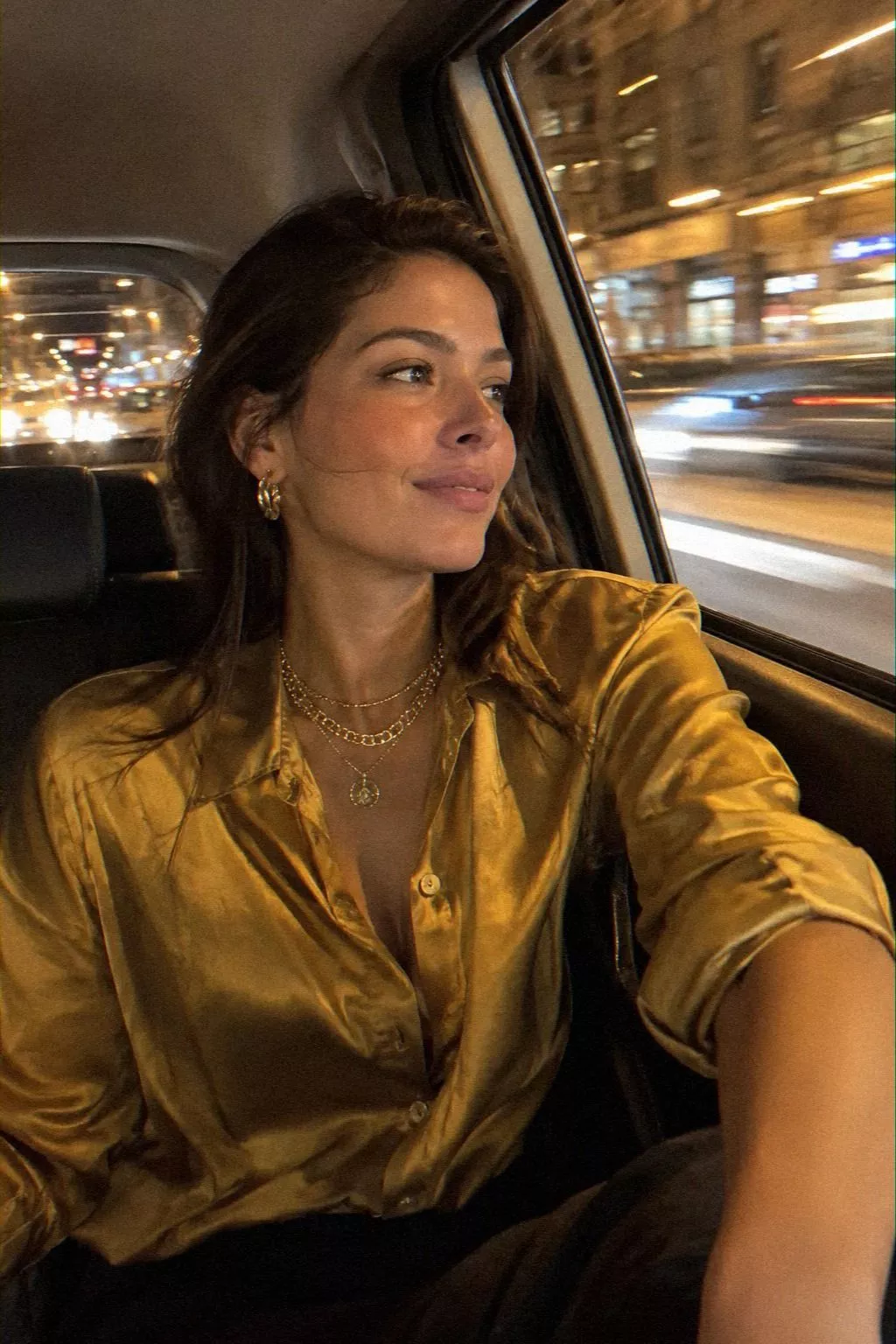
A trendy button-up becomes more polished when the collar is deliberate.
A midnight-blue shirt with an ivory layer creates clean contrast. Add a restrained copper or gold chain, then leave one button open if the collar still lies flat. The combination feels current without asking the accessories to do all the work.
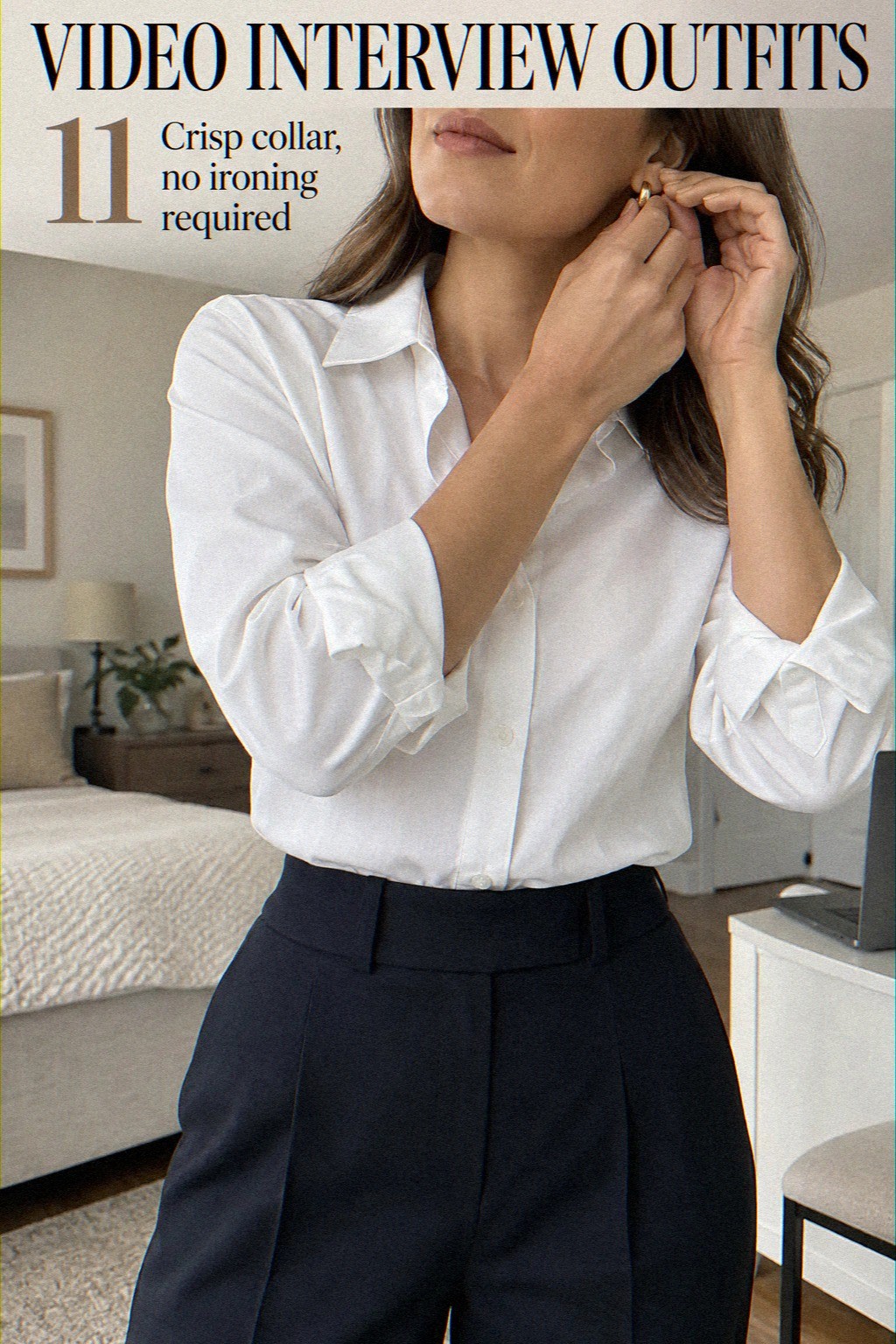
5Frame the Face With Bold Earrings and a Simple Black Top
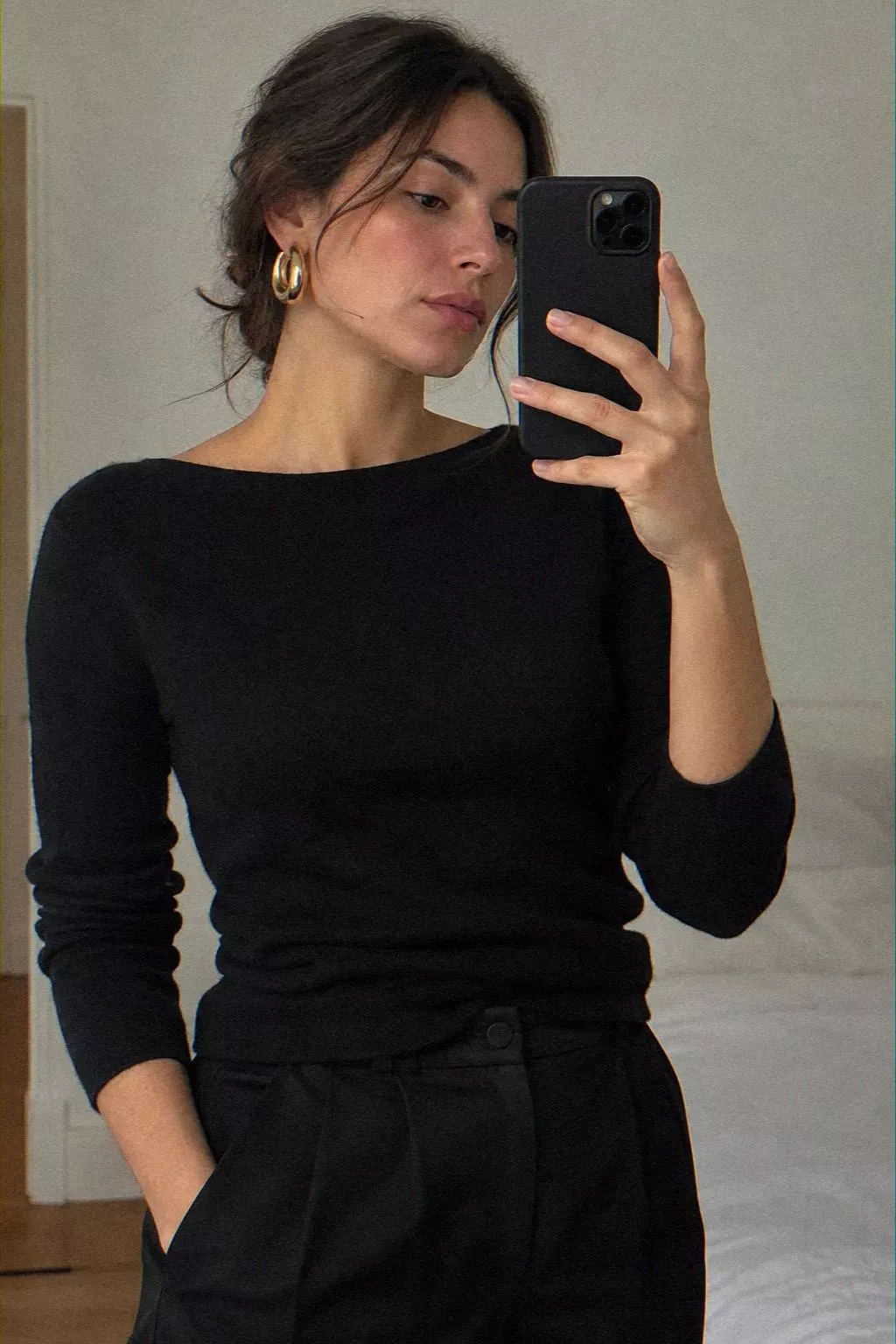
Choose earrings with a clear outline. Polished metal, an emerald resin shape, or a compact geometric drop can all work.
Keep the top simple. A black crewneck, square neck, or clean scoop neck gives the earrings room. The result feels striking without requiring an expensive outfit.
Scale matters. A small face can disappear beside very large hoops. A bold earring should end near the jaw or upper neck, not sit against the shoulder.
That keeps the frame balanced.
Check the earring movement before the call. Turn your head. Smile.
Look down and back up. If the piece swings into the camera view, choose a lighter or shorter design.
This is often the best value when you want a visible update. One memorable emerald, gold, or cream-toned accessory can change several tops. You don’t need to buy a complete interview wardrobe.
6Does a Sculptural Shoulder Line Help a Small Frame?
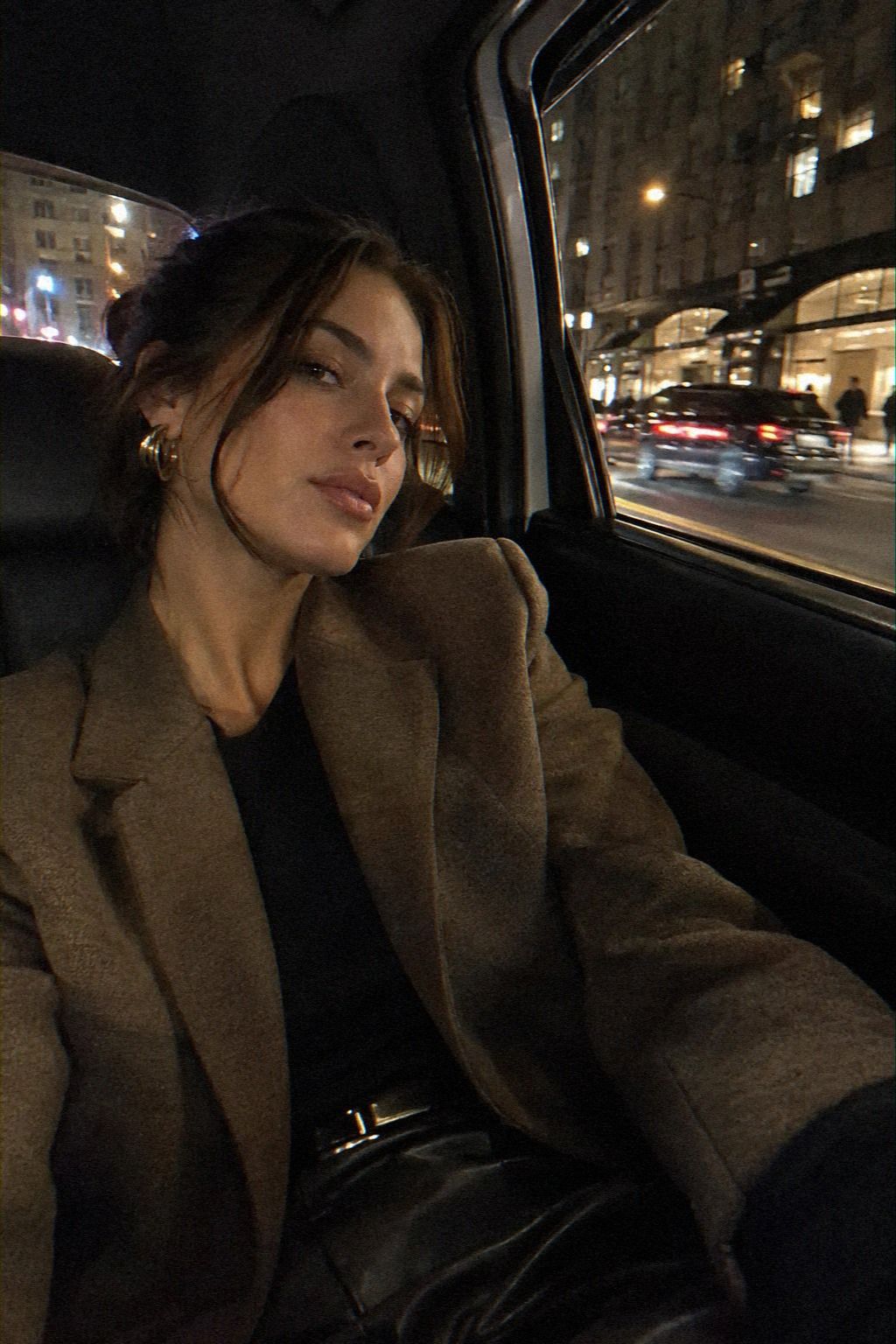
It can, provided the shoulder is shaped rather than exaggerated. A soft-structured shoulder gives an interview outfit definition before you say anything. Look for light padding, a clean seam, and a tapered sleeve that stops near the wrist.
This isn’t a suggestion to wear extreme power shoulders. They can overpower a small video frame.
They can also make your head look visually disconnected from your body. A rounded shoulder over a rust-colored knit feels more balanced and contemporary.
A forest-green jacket with a natural-toned shirt gives the shape enough contrast without making it severe. Button the jacket or leave it open.
First, check that the front lies flat when you gesture. Test it while seated.
A jacket can look elegant on a hanger and bunch awkwardly beneath the chin once you sit.
Pair it with a quiet top in a close color. Then let one earring or necklace provide contrast.
For a more conservative interpretation, compare this shape with our business casual interview examples. The less dramatic jacket usually suits a formal industry better.
7Use the Three-Point Shine Rule With a Silky Blouse

A silky blouse can look refined on camera when the sheen stays controlled.
Choose dusty rose silk with a charcoal layer if you want softness and contrast. A small brass-toned accessory can add warmth, but keep the rest of the outfit matte. Three reflective details usually compete with one another.
8Cobalt Sweater, Quiet Accessories: Let Color Lead
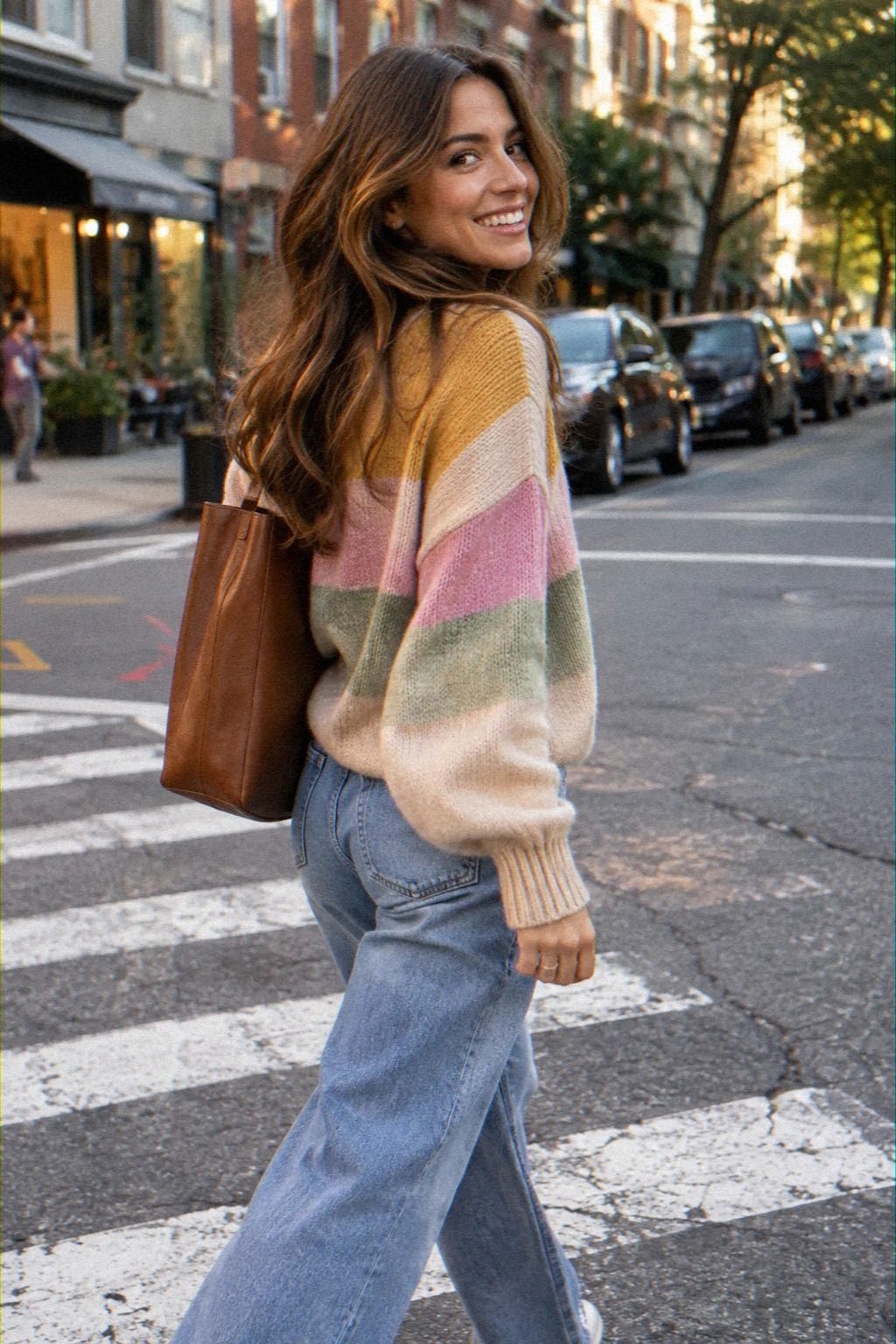
A colorful sweater can make a video interview outfit feel warm and modern. The accessories should stay nearly invisible.
Try a warm-white sweater, camel knit, or a soft neutral with black accents against a quiet background. Choose a color that stays distinct from your backdrop and your hair. You want the sweater to frame your face, not merge with it.
I wouldn’t add a statement necklace to a vivid knit. The color already creates the emphasis. Small studs, a slim watch, or no visible jewelry will let the neckline breathe.
Check the knit for pills, stretched cuffs, and loose threads before you turn on the camera. Those small defects can become surprisingly noticeable on a tight crop.
If you’re unsure whether a bright sweater feels too casual, our work Christmas party outfit ideas show how saturated color can stay polished without becoming stiff. Lower the screen brightness slightly if the shade looks more intense than it does in person.
9Pair a Collared Shirt Under a Cropped Blazer
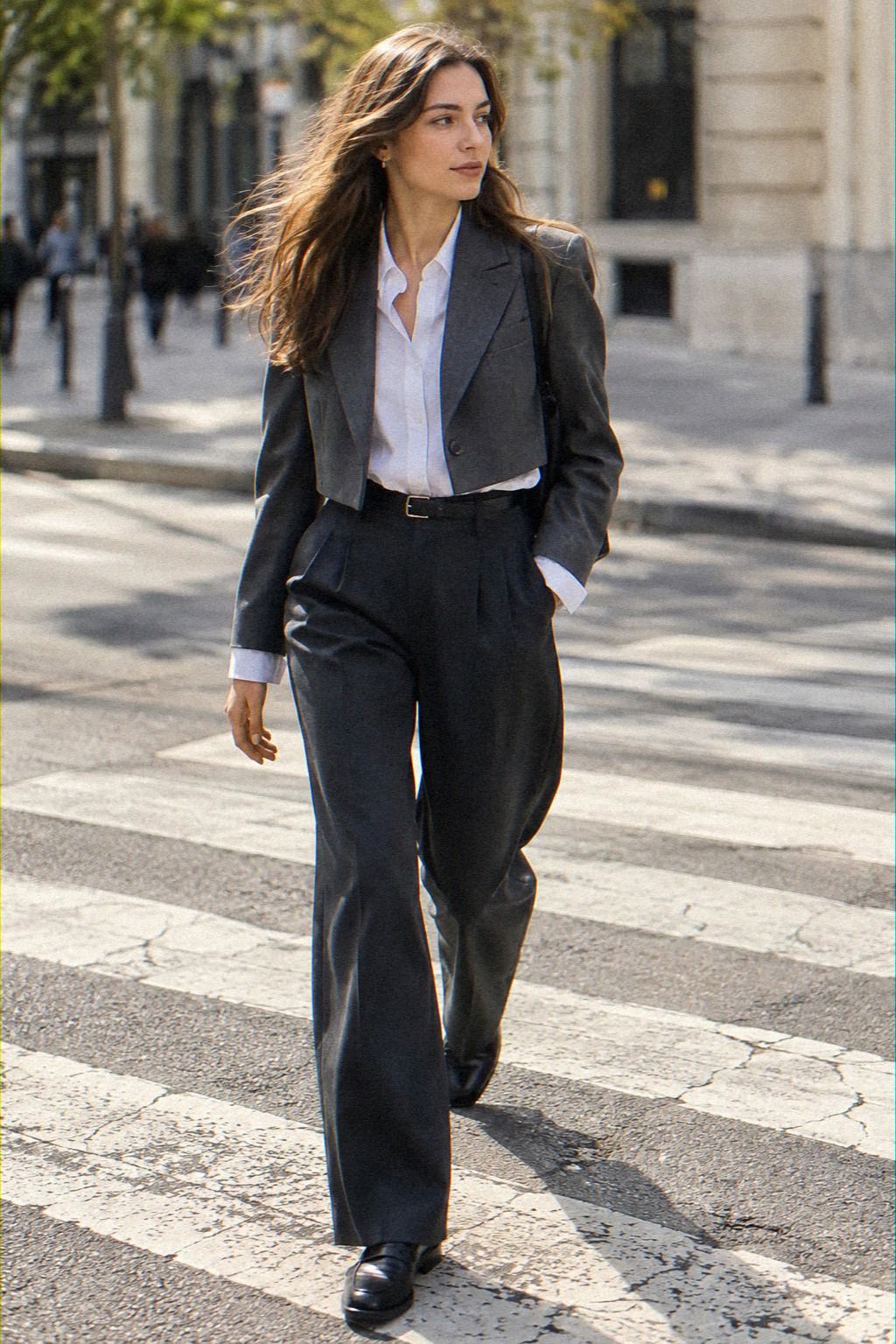
A collared shirt beneath a cropped blazer gives you two visible edges.
Try a midnight-blue shirt under an ivory or copper-toned blazer. Keep the shirt collar crisp and let only one edge show above the lapel. The proportions look intentional when the blazer ends near the natural waist rather than cutting across the fullest part of the torso.
10When Does a Statement Necklace Improve a Classic Crewneck?
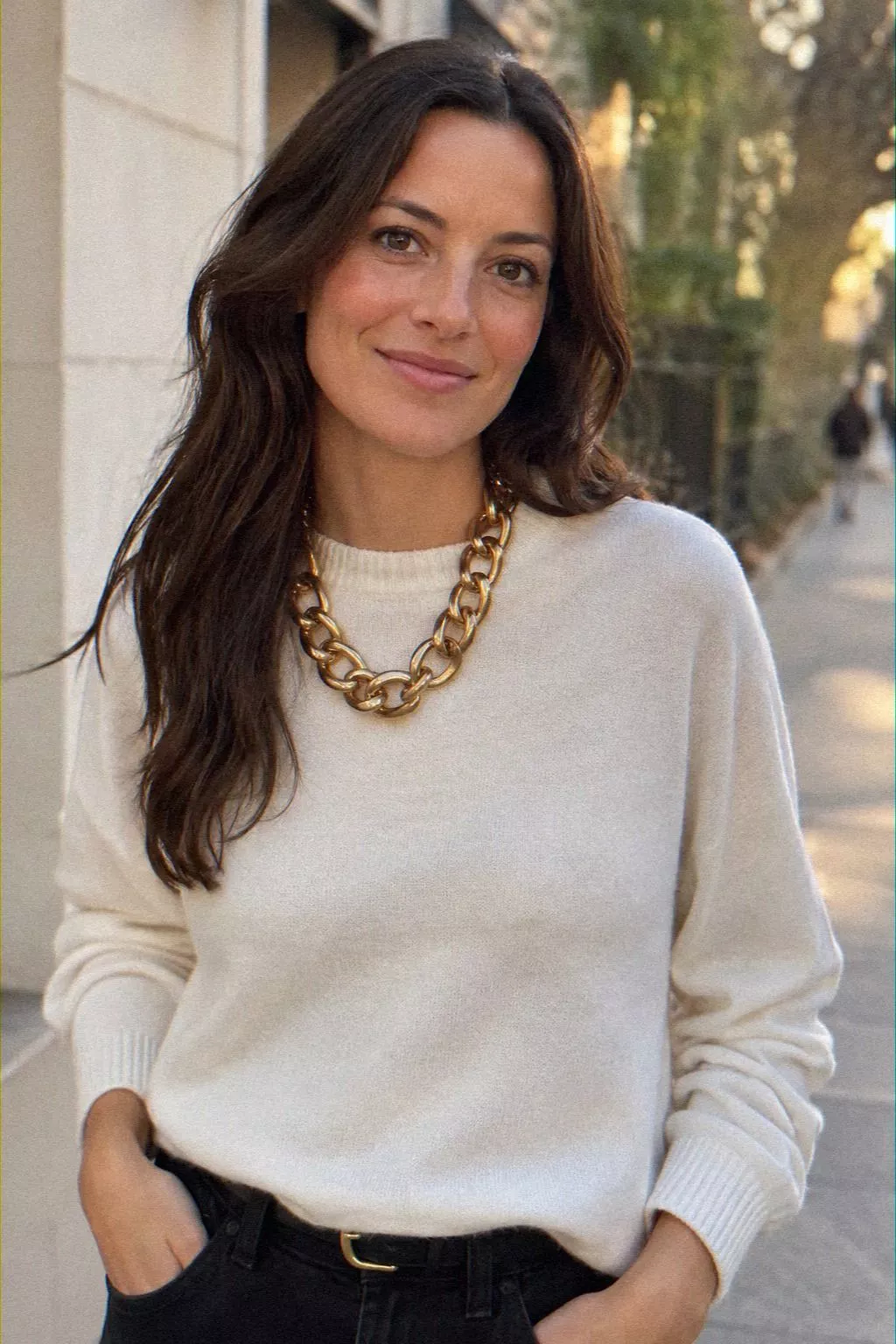
A statement necklace improves a classic crewneck when the neckline is plain enough to give it room.
Choose one with a clear shape. A short collar necklace creates a bold frame.
A medium pendant creates a longer vertical line. Both can look elegant when the crewneck stays smooth.
A sage-green crewneck with a warm cream necklace feels calm but not dull. Natural wood-toned details can work too, provided the shape stays simple and the necklace remains the main decision.
Don’t add a large earring, patterned scarf, and necklace together. The necklace should be the main decision. Small studs or no earrings will make the styling feel intentional.
Check the chain before the interview. It shouldn’t tap the microphone or slide beneath the collar. A necklace that stays still is worth more than one that looks impressive for five minutes.
This can be a good value if you already own a simple black or navy top. Buy the accessory only if you can wear it with at least three other pieces.
11Start With Soft Tailoring and a Camera-Ready Collar
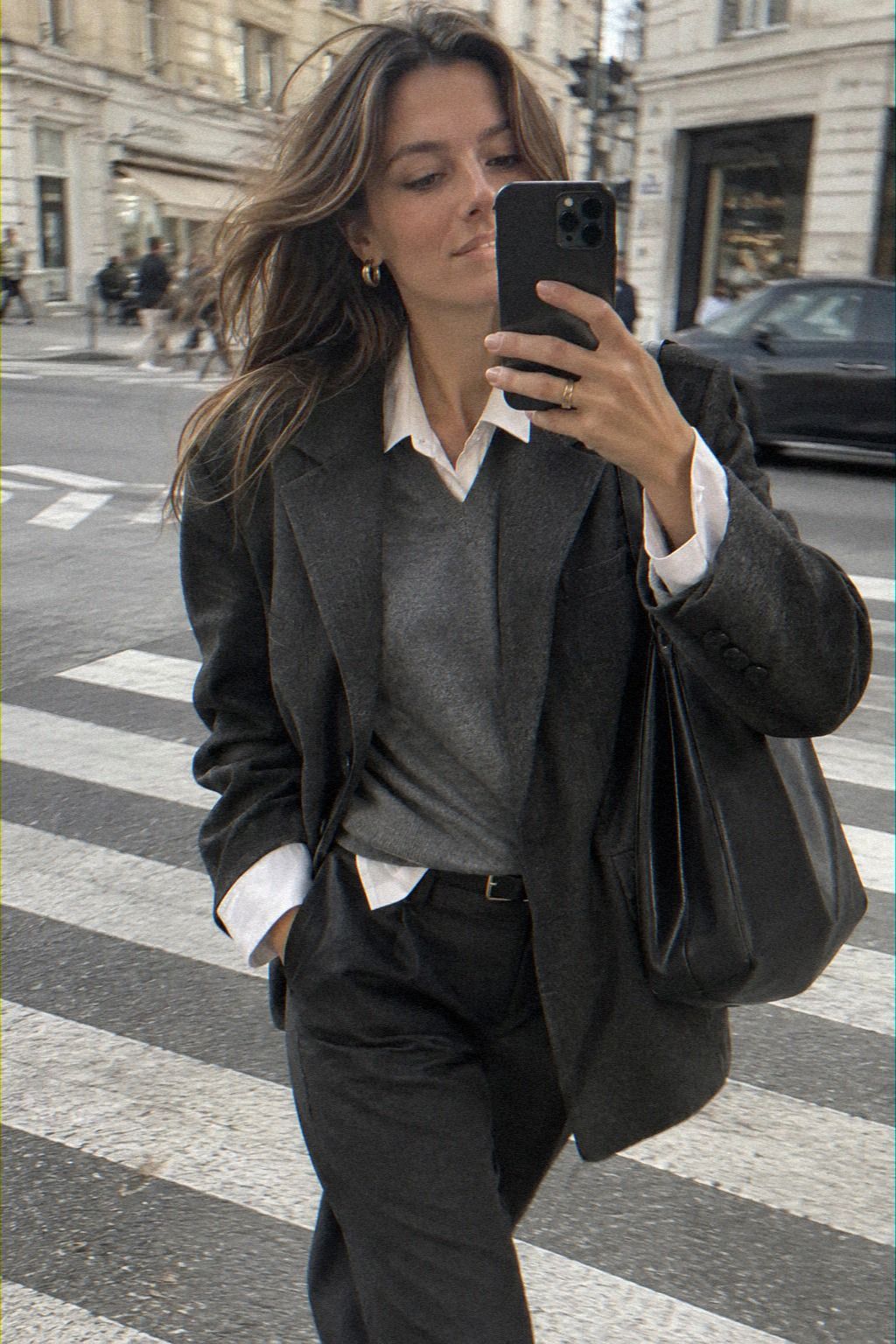
Soft tailoring gives you the comfort of knitwear with the visual discipline of a jacket. Choose a drapey wool-blend jacket with a narrow lapel, light shoulder structure, and a collar that returns to the same position after you move.
Wear it over a fine-gauge top or a crisp shell. Avoid a bulky turtleneck beneath soft tailoring. Stacked fabric can shorten the visible neck and make the frame feel crowded.
A terracotta jacket with a stone shell feels gentle and polished. Muted olive over pale cream creates stronger contrast. Both combinations look professional without feeling severe.
Before the interview, sit, gesture, lean forward, and turn your head. If the jacket folds into a thick ridge beneath your chin, try a thinner base layer. You can also choose a smaller lapel or a jacket closer to your shoulder line.
The best version looks relaxed. The details are still clean-lined tailoring.
If you’re planning a focused wardrobe refresh, ask what you already own and what deserves replacement. You can spend $0 when the jacket, top, and accessory are already in your closet.
The $100-$300 range can be worthwhile when the pieces work beyond one interview. For more collar and layering ideas, compare this with our video interview outfit guide.
What Your Camera Actually Sees
A camera reduces texture. It crops proportion. It also makes small details compete for attention.
That means a stable neckline, clear shoulder line, and controlled color matter more than a complicated full outfit. Your lower half can be simple. Your visible half needs a readable hierarchy.
Start with the collar. Decide whether the layer or accessory leads. Then remove anything that interrupts that order.
A quiet outfit isn’t automatically boring. It can feel refined, modern, and quietly confident when every visible piece has a job. That clarity is often worth more than another purchase.
The Zoom Room Rule
The Zoom Room Rule is simple. Test your outfit in the same chair, under the same light, with the same camera angle you’ll use for the interview.
A garment that looks elegant in a mirror can look flat, shiny, or crowded on screen. Look at the top third of your body.
Is the neckline still visible? Does the color separate from the wall? Does the accessory stay in place when you speak?
This test tells you whether a new piece is worth the price. Our one-color outfit guide is useful if you want to test a calm tonal combination before adding contrast.
Build a Small Interview Capsule
You only need a few reliable combinations:
– One dark blazer with two clear necklines. – One cardigan with a simple shell and a collared shirt. – One saturated sweater with minimal accessories. – One soft-tailored jacket for more formal conversations.
That gives you variety without turning preparation into a shopping project. A versatile capsule, polished layer, and crisp shirt can create more options than several novelty pieces.
If you want to refine the rest of your work wardrobe, these casual work outfit ideas offer useful combinations for pieces you may already own.
The Five-Minute Fit Check
Five minutes before the call, check the collar, lapel, sleeve edge, and jewelry. Remove lint.
Smooth the shoulder. Confirm that the microphone won’t touch a chain.
Then sit still for thirty seconds. If the neckline shifts, the fabric shines sharply, or the color disappears against the background, make one change.
Don’t rebuild the whole outfit at the last minute. A calm final check gives you more value than a rushed new purchase. The best choice is the one that lets you focus.
That is the point!
What I’d Stop Buying for Video Interviews
I don’t think a video interview wardrobe needs to be large. It needs to be legible.
The real cost of an outfit isn’t only its price. It’s also the time you spend adjusting it while you should be listening. A collar that scratches, a sleeve that rides up, or a necklace that taps the microphone can become a costly distraction.
I wouldn’t chase a specific “interview color” before checking the neckline. Color can be beautiful, but a collar that folds inward will keep distracting you. Before you purchase anything, sit where you’ll interview, turn on your light, and watch the garment move.
Skip novelty details that only look interesting up close. A huge bow, very fine stripe, reflective sequin, or loosely tied scarf may photograph well in a still image. Your interview isn’t still.
You need something that remains composed while you speak, listen, smile, and reach for a glass of water.
Your wardrobe also has to support your concentration. Your clothes don’t need to be luxurious. They need to stay quiet enough that you can think.
And I wouldn’t make every look neutral just because interviews are serious. A saturated sweater, pearl earring, or gold chain can add personality when the rest of the frame is controlled.
If everything is bold, nothing frames your face. If everything is soft, the camera may erase the outfit.
The goal isn’t to dress like someone else. It’s to make your own choices readable through a small rectangle.
Test the top, the light, and your posture. If the outfit still looks clear when you stop moving, it has done its job.
The Questions Worth Answering First
What is the best video interview outfit for a small frame?
A blazer with a clean neckline or a fine-gauge cardigan with pearl studs is usually the easiest choice. Both create clear facial framing without requiring a large silhouette. You can compare those ideas with our business casual interview examples before choosing your final layer.
Where can I buy video interview outfit pieces on a budget?
Look at Target, second-hand shops, Facebook Marketplace, or local thrift stores for blazers and cardigans. Your best budget buy is a piece with a stable collar and fabric that doesn’t shine under light. Our casual work outfit guide can help you compare practical basics.
How much does a video interview outfit refresh cost?
A focused refresh can cost about $100 to $300, depending on whether you replace a jacket, top, or accessory. You can spend nothing by changing the neckline, steaming what you own, and testing the outfit under your interview light. The largest improvement is often free.
Can I create a video interview outfit on a budget?
Yes. Start with three free changes: move the camera to show your collar, remove one competing accessory, and test the outfit under your real light.
Then borrow or thrift one structured layer. A clean blazer can support several tops, so it usually gives you more combinations than another novelty blouse. That makes it a better value for a limited budget.
Is a video interview outfit worth planning in a small space?
Yes, because a small space often keeps your background quiet and makes the outfit easier to read. Sit where the camera will be. Then choose one visible color contrast and one accessory.
You don’t need a large styling area. You need enough room to check your posture and collar before the call. The planning is worth it when it prevents a last-minute purchase.
Is a video interview outfit a good idea for a rental or temporary setup?
Yes. Use pieces you can pack, borrow, or wear again rather than building a special wardrobe for one call. A removable garment steamer, travel lint roller, and tension-based clothing rack can help without changing the space.
For more seasonal styling, compare these office-appropriate party outfit ideas.
Where I’d Start First
If I had to pick one, I’d start with the polished blazer and statement neckline. The collar and shoulder line stay readable when the camera crops tightly. The open neckline keeps your face from looking crowded.
Pin the outfit for later. Test it under your real interview light before buying anything new. If you want one final reference, return to our video interview outfit guide.