
Your video interview outfit should keep your face clear, your neckline calm, and your colors distinct from the background. A polished look doesn’t need to feel stiff or expensive. It needs to stay readable when you move, speak, lean forward, and glance at your notes.
The most useful approach is simple: choose a matte top, check the fit in your real chair, and test the contrast against your actual wall. That small routine gives you better value than buying an entirely new wardrobe.
- Frame Your Face With a Solid Blazer
- Can Jewel Tones Stay Clear on Camera?
- Keep Zoom Necklines Sitting Smoothly
- Matte Fabrics Prevent Distracting Screen Glare
- Should Small Prints Stay in the Frame?
- Stripes or Moiré: Which Looks Better on Video?
- Let Statement Earrings Support Your Face
- A Simple Necklace Adds Focused Detail
- Give Sleeves Room to Move
- Tailored Trousers or Lounge Bottoms?
- Monochrome Layers Create a Clean Silhouette
- Which Contrast Keeps Your Face Distinct?
- Deep V or Shallow V?
- Shiny Satin Draws Attention Away
- Can Bright White Lose Definition?
- Neon or Jewel Tones?
- Press the Collar Before You Log In
- Bare Shoulders May Feel Too Casual
- Let a Polished Manicure Finish the Look
1Frame Your Face With a Solid Blazer
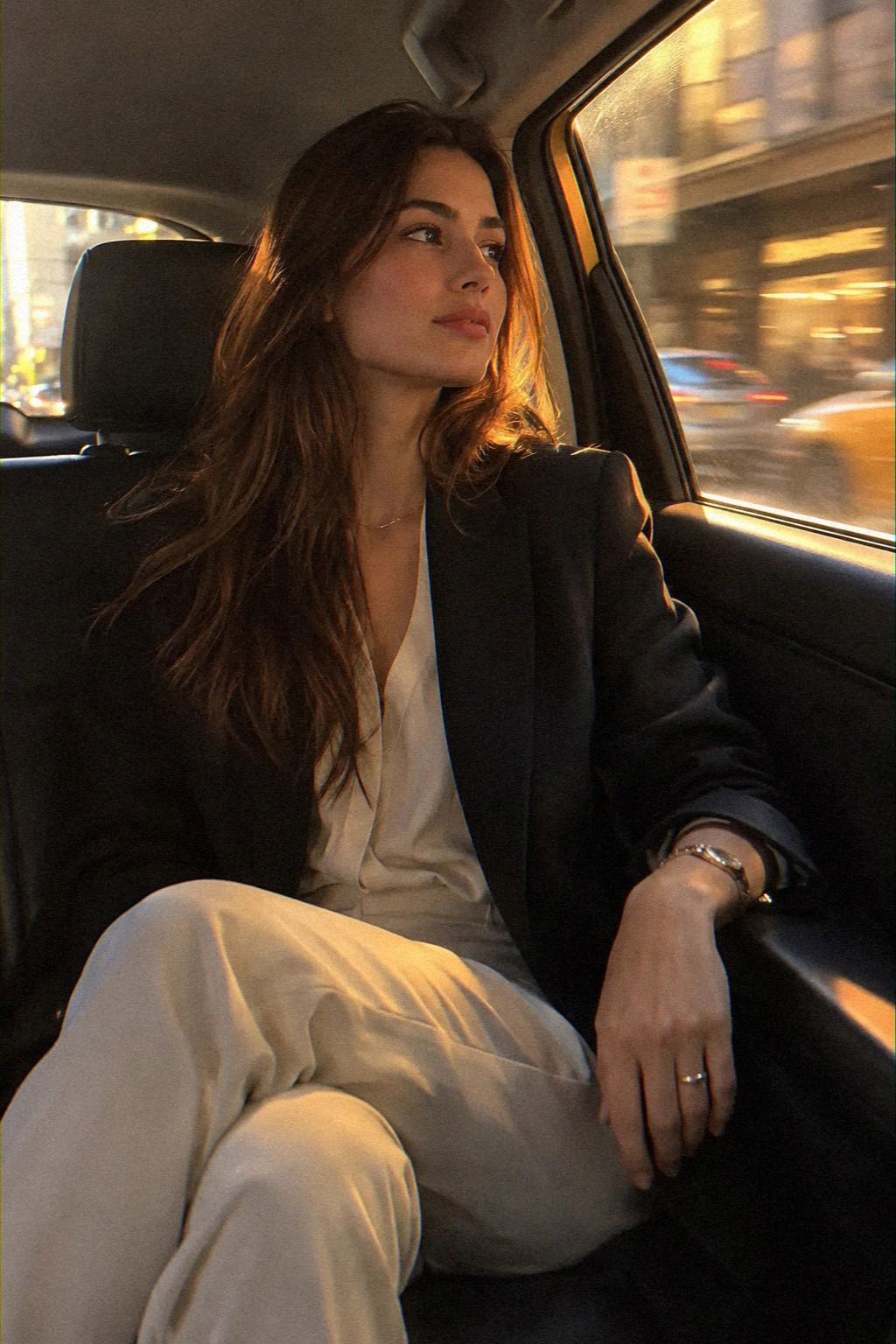
A solid blazer gives a video interview outfit a clear outline around the shoulders and face. Choose a navy wool blazer or a charcoal jacket with enough structure to hold its shape while you sit.
A softly tailored cut looks polished without making the outfit feel rigid. That clean boundary matters!
You’ll want a flat lapel that doesn’t cover your neckline. I’d skip oversized shoulder padding because it can make the upper half look wider than intended on a laptop lens. A softly shaped jacket is more versatile than a stiff one, and you won’t need much else besides a plain knit underneath.
If you’re preparing for several formal settings, compare this clean proportion with what to wear to a citizenship interview. The cost can stay reasonable if the blazer works for interviews, presentations, and office days.
2Can Jewel Tones Stay Clear on Camera?
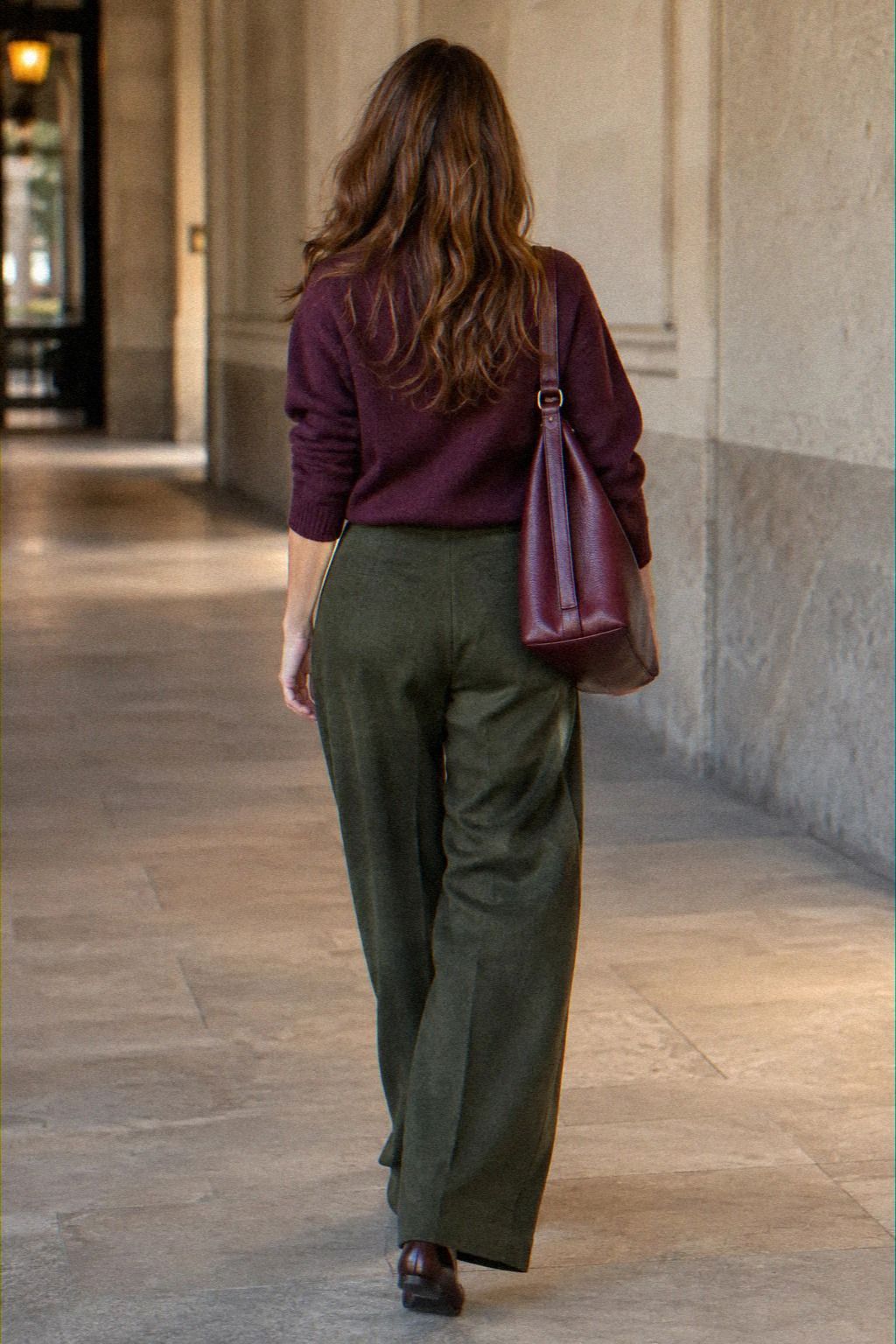
A jewel-tone top can give your virtual interview outfit enough contrast to remain visible without shouting for attention.
3Keep Zoom Necklines Sitting Smoothly
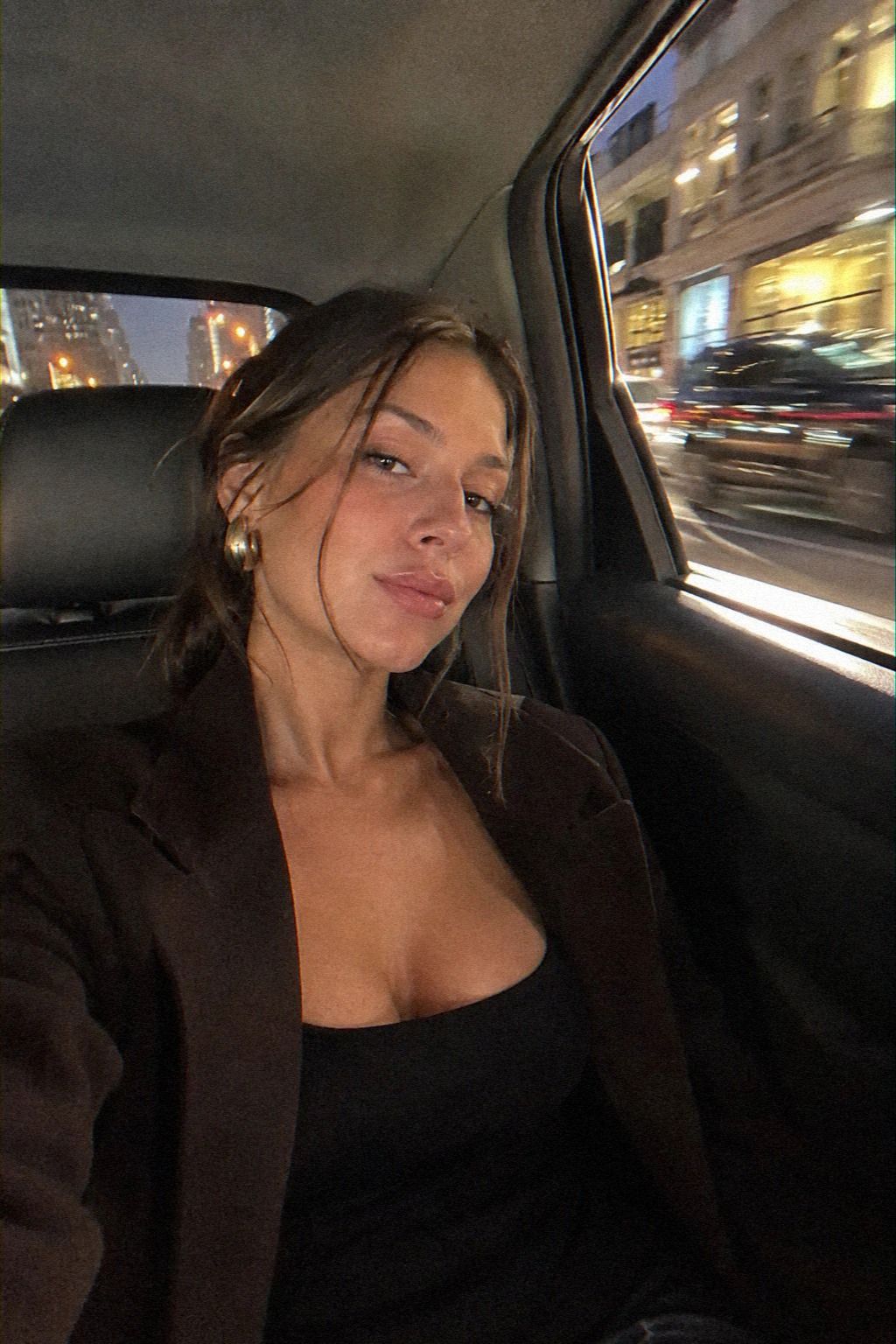
A smooth neckline keeps your face and shoulders looking composed when the camera crops tightly. For a video interview outfit, try a crew-neck merino sweater, a modest boat neck, or a shirt collar that stays open without collapsing. These shapes look intentional while leaving your face as the main focus.
You’ll want to sit, lean forward, and glance down before deciding. If the collar rises toward your chin, it can make the frame feel crowded.
I’d avoid thin ribbing that rolls at the edge, especially under a blazer. A smooth neckline gives you room to move, and it won’t compete with a simple pendant.
For a more formal wardrobe, the same principle applies to what to wear to a citizenship interview. The useful question isn’t whether a neckline looks fashionable in a mirror. It’s whether it stays calm during conversation.
4Matte Fabrics Prevent Distracting Screen Glare
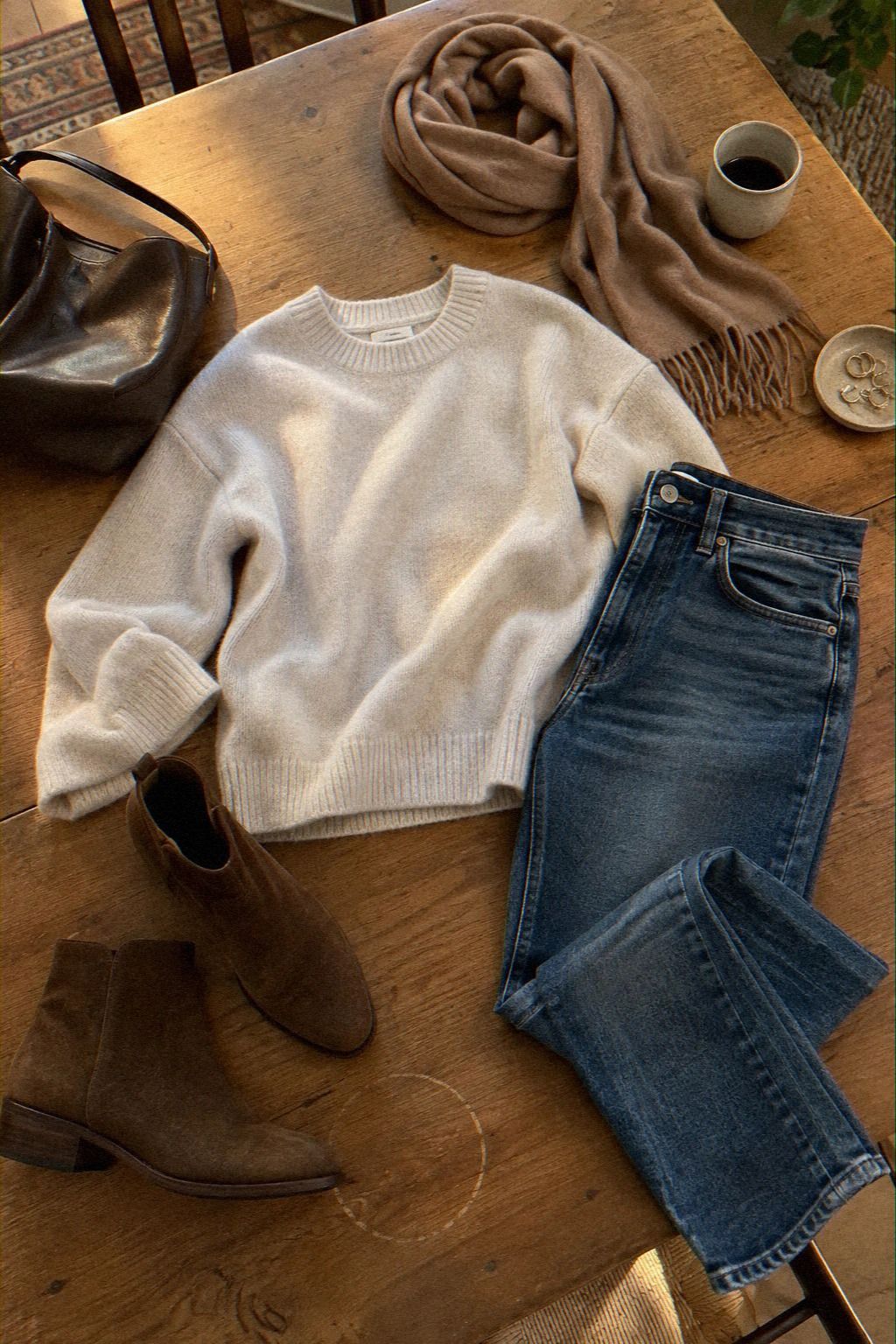
Matte fabric keeps light from bouncing directly into the camera, which makes it a strong choice for a video interview outfit. Matte crepe, brushed cotton, fine wool, and dry-finish knits tend to look controlled under changing light.
You don’t need the most expensive material. A budget-friendly polyester crepe can offer excellent value if it drapes cleanly and doesn’t cling. Shiny fabric may cost more while creating a less polished result on screen.
If you’re choosing between two similar tops, pick the one with the quieter surface. Matte viscose and cotton poplin usually create a steadier image than satin, sequins, or metallic thread.
5Should Small Prints Stay in the Frame?
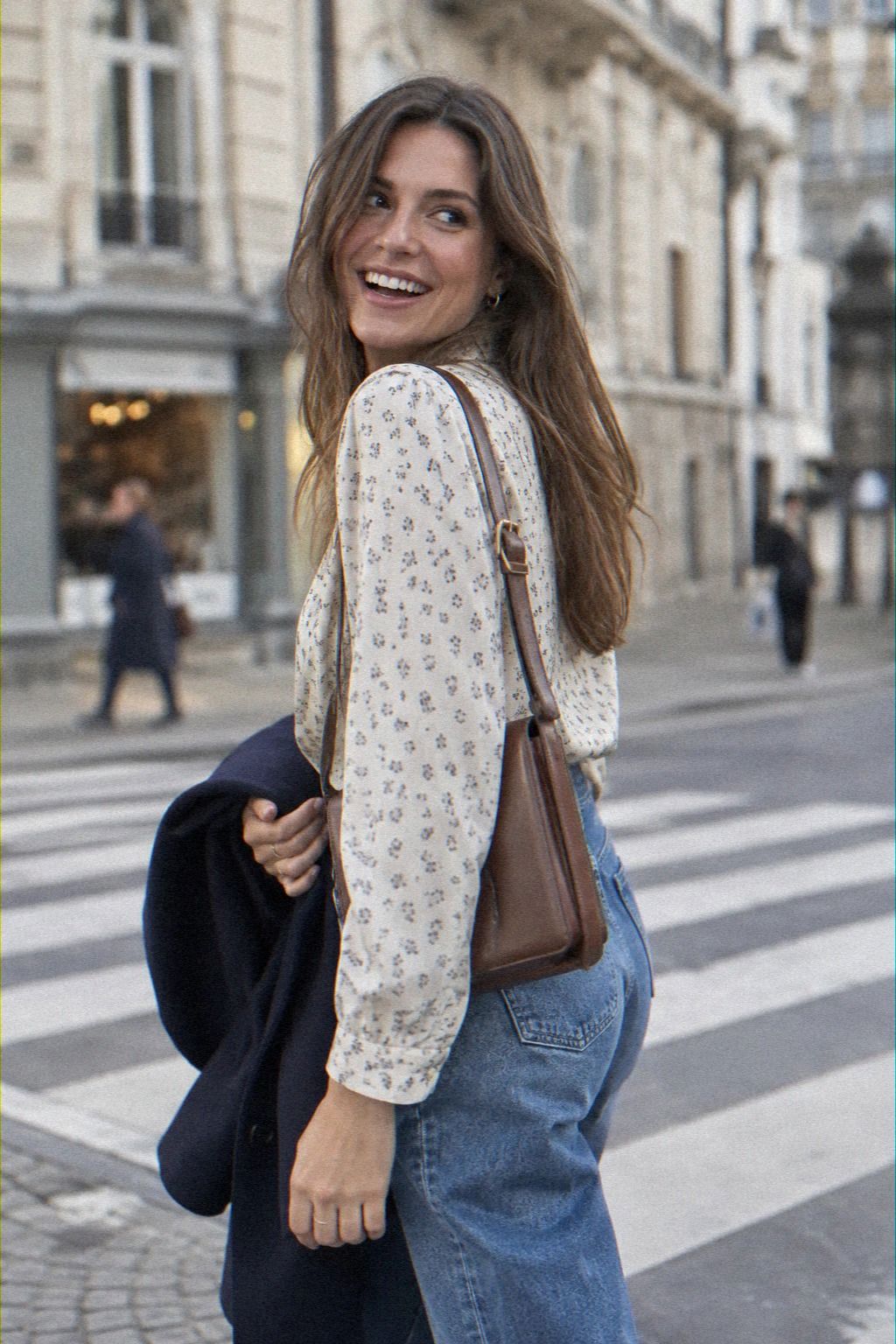
Small prints can add personality to a video interview outfit without turning the frame into visual noise.
6Stripes or Moiré: Which Looks Better on Video?
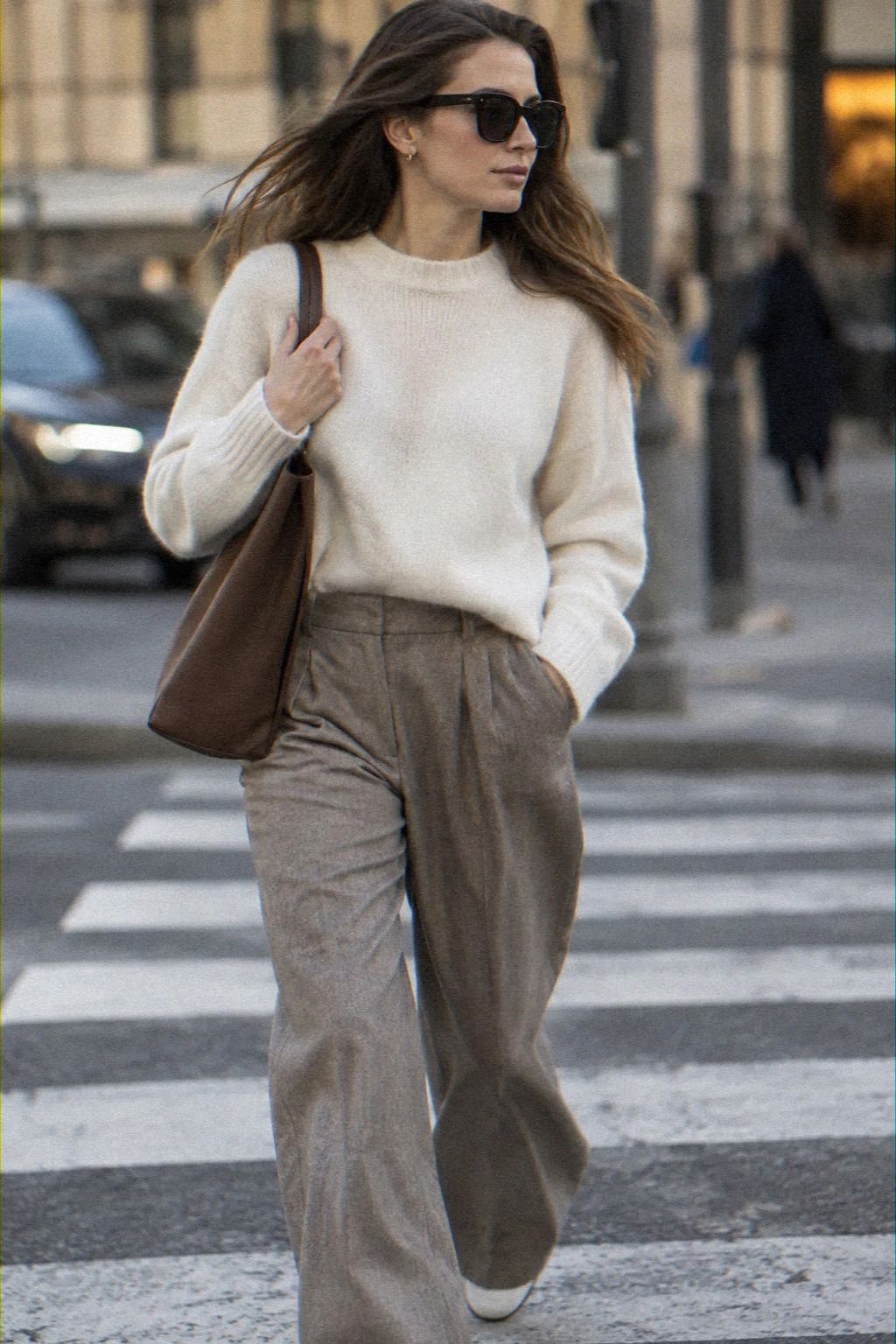
Stripes can create a distracting ripple effect when the camera compresses the image, especially if they’re narrow and high contrast. A fine striped shirt may look crisp in person but unstable on screen.
You should test any striped garment by recording ten seconds of yourself turning your shoulders. If the lines appear to vibrate, choose a wider stripe or a solid layer. I’d skip pinstripes for the visible upper half unless the spacing is generous and the fabric is substantial.
A plain jacket over a striped shirt can reduce the effect, but your safest choice is a calm pattern with clear spacing. Small change, sharp result!
7Let Statement Earrings Support Your Face
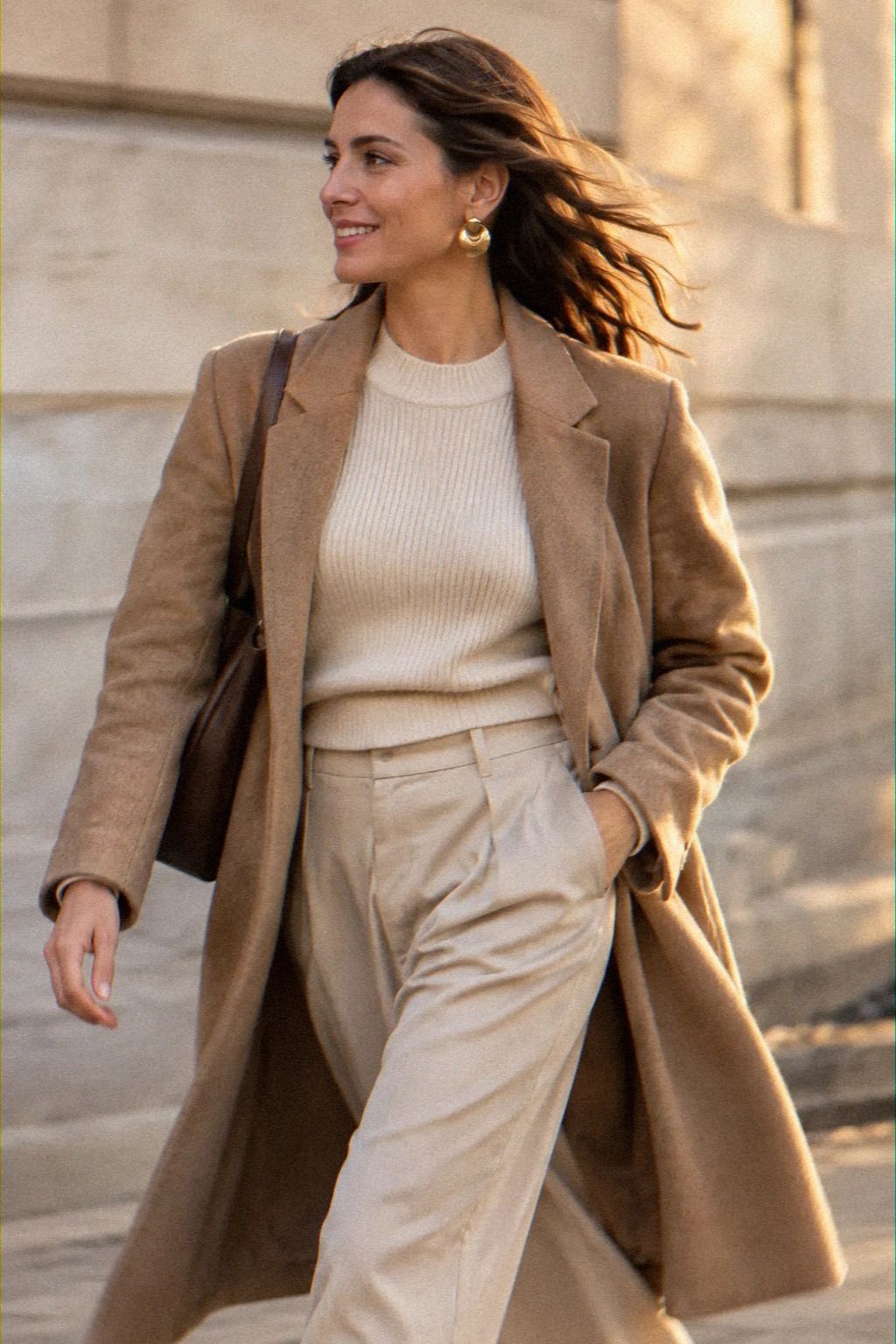
Statement earrings can brighten a simple outfit, but their scale should support your face rather than pull attention toward your ears. Choose brushed gold hoops or sculptural earrings that stop around the jawline. Their shape should be readable without swinging dramatically every time you turn.
You’ll want to move your head, smile, and look down at notes before committing. Heavy earrings may tug or shift out of place, which becomes more noticeable during a close crop. I’d avoid dangling pieces with several moving parts because they can flash under the light.
For a quieter professional look, one strong shape is enough. You don’t need a matching necklace too. If your jewelry budget is limited, one polished pair gives better value than several highly reflective pieces.
For another practical professional reference, what to wear to a career fair shows how a single intentional accessory can make a restrained outfit feel finished.
8A Simple Necklace Adds Focused Detail
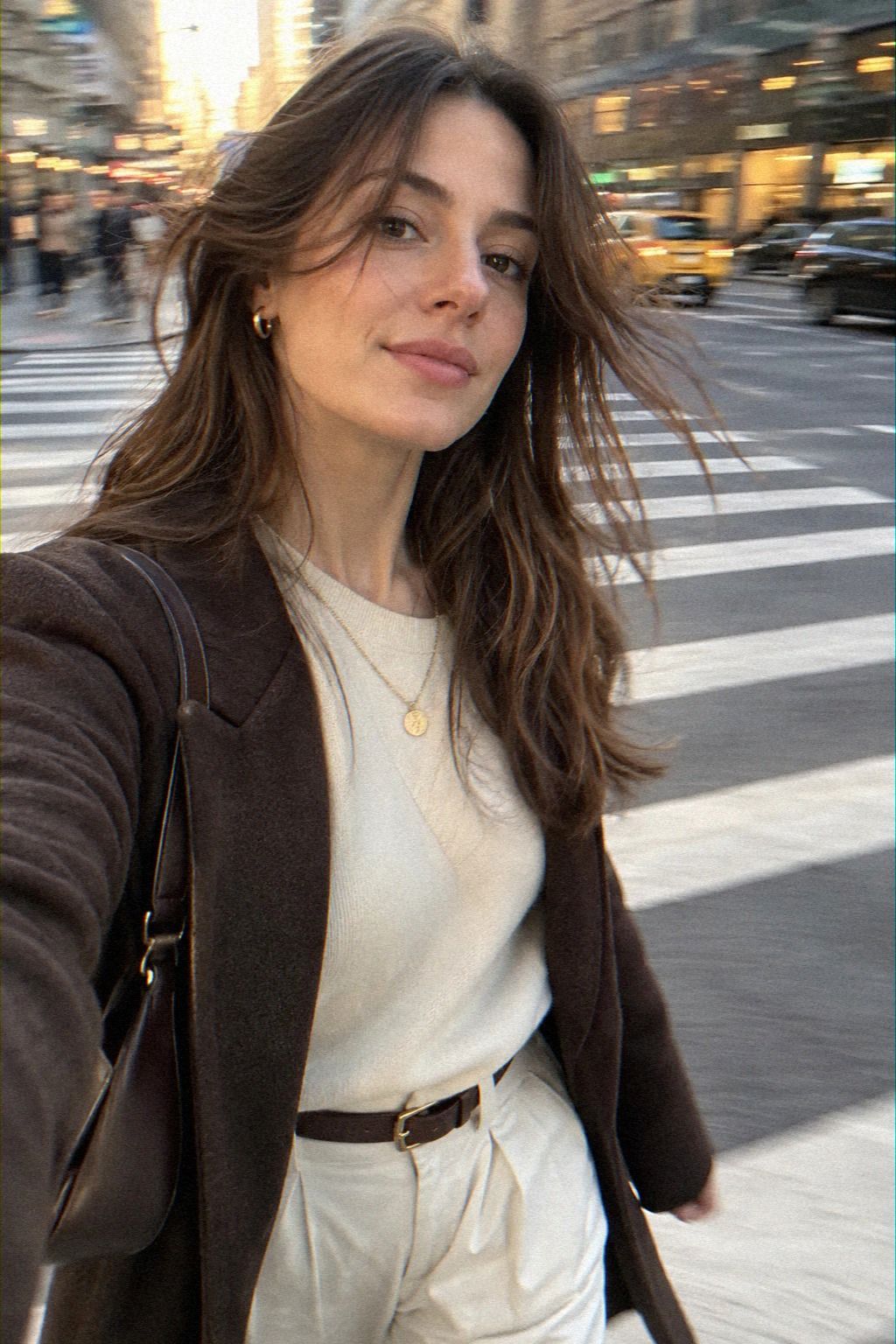
A simple necklace gives the upper frame one controlled point of detail. Choose a small silver pendant, a fine chain, or a short strand that rests below the collarbone. The line should remain visible without competing with your face.
You should check whether the pendant lands inside the camera crop. If it disappears below the frame, it won’t contribute much.
If it sits directly at the neckline, it may compete with the shirt. I’d choose a single pendant over layered chains because the result looks cleaner and more intentional.
Leave enough open space between the lapels and necklace so neither one looks crowded. That restrained choice can make a lower-cost outfit feel much more polished.
9Give Sleeves Room to Move
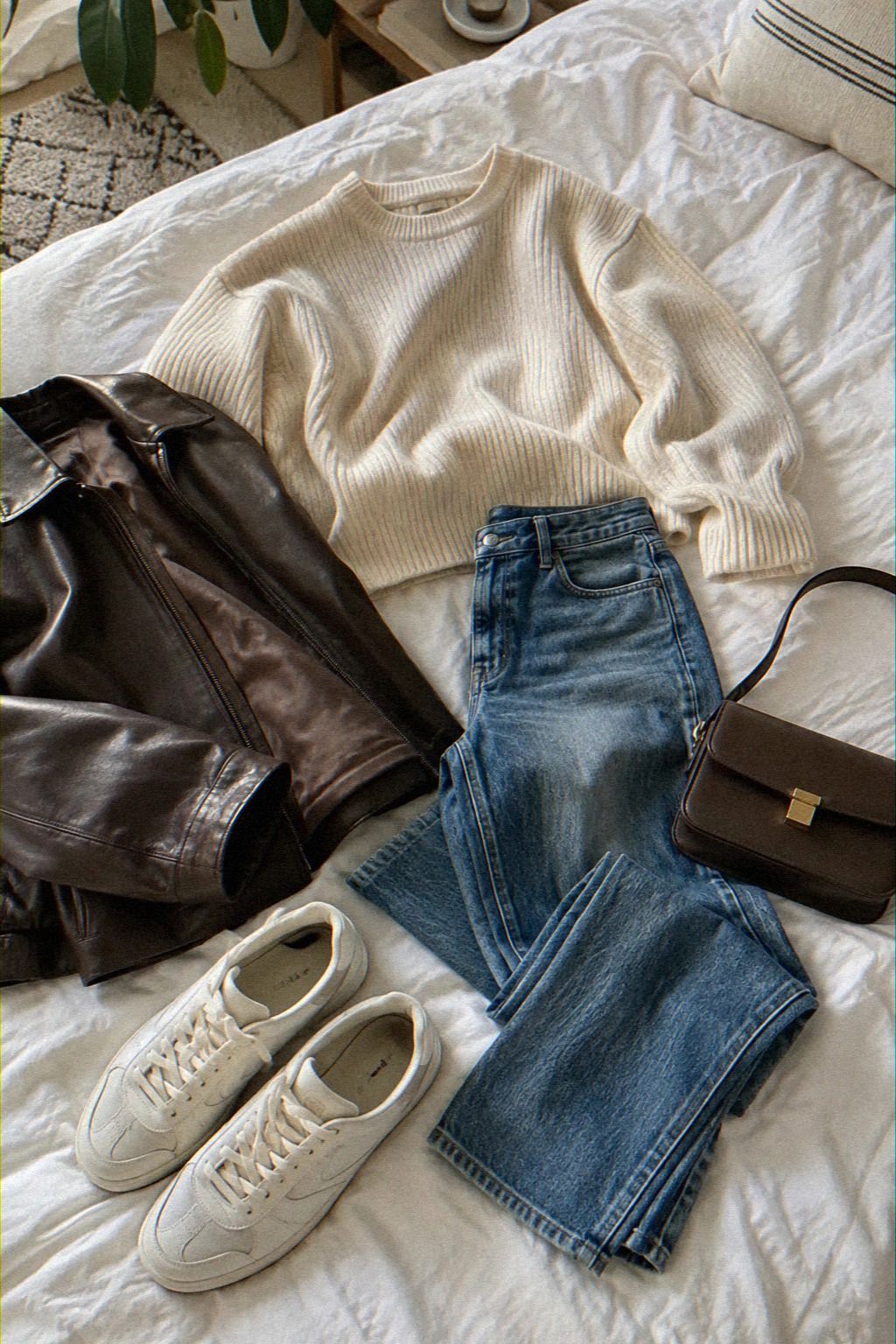
Sleeves matter more than you might expect because your hands often enter the frame while you explain an idea. A three-quarter sleeve keeps the wrist visible and gives gestures a neat, controlled line.
You’ll want enough room at the upper arm and elbow to move comfortably. Tight sleeves can pull across the fabric when you reach for notes, while oversized sleeves may swallow your hands. A relaxed tailored sleeve is usually the most useful compromise.
If you’re buying one new piece, this detail can be worth the cost because it affects both comfort and appearance. You’ll speak more naturally when you aren’t adjusting the cuff every few minutes.
10Tailored Trousers or Lounge Bottoms?
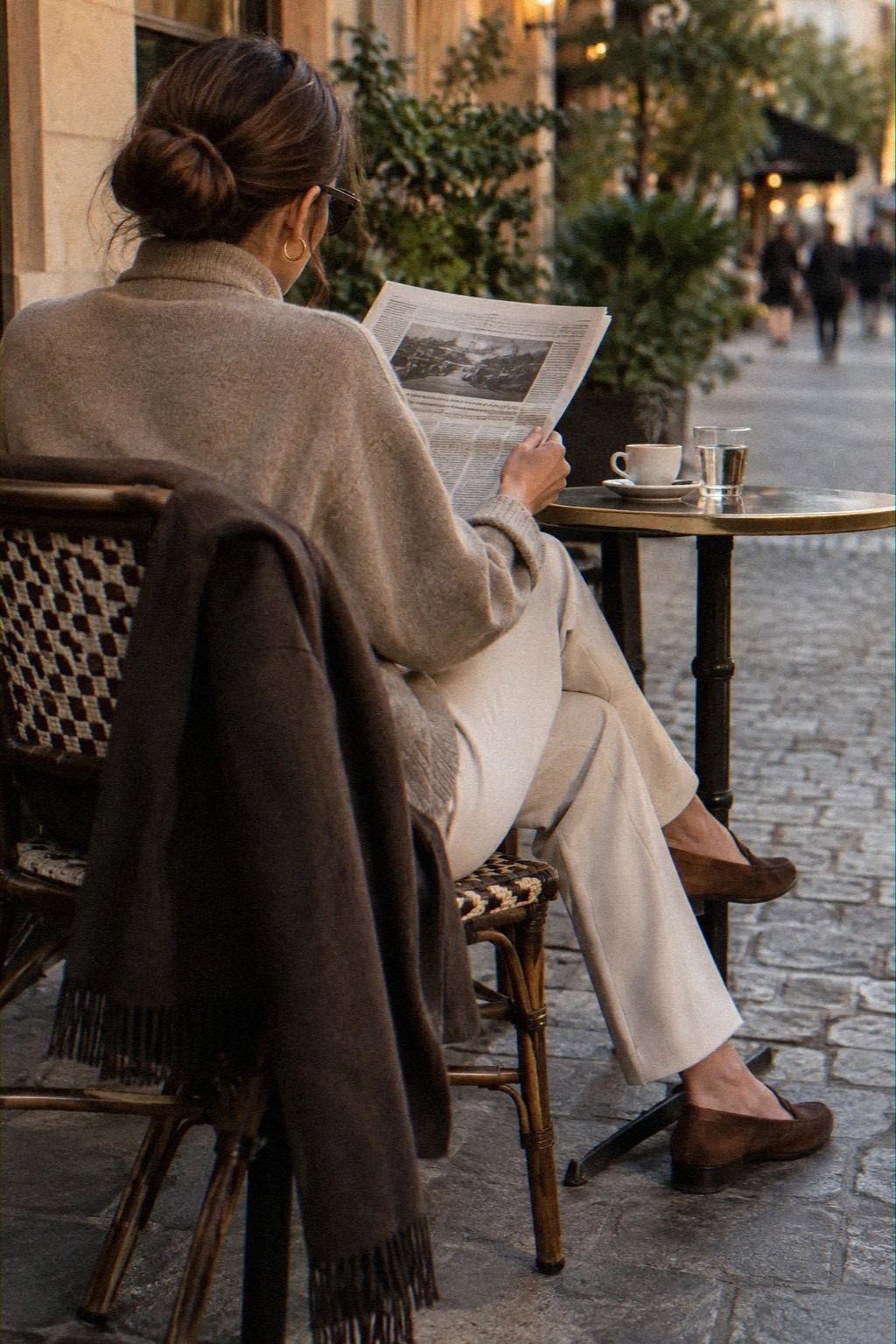
Even when the camera frames your upper body, tailored trousers help you feel prepared and keep the outfit coherent when you stand or adjust your chair. Choose high-waisted wool trousers with a clean crease and enough ease for sitting comfortably.
You’ll want the waistband to stay flat rather than bunching beneath a blouse or jacket. Try sitting for several minutes before the interview and check whether the fabric pulls across the lap. I’d skip very soft lounge trousers if there’s any chance you’ll stand on camera because the contrast can undercut an otherwise polished top.
For another formal dressing reference, compare the proportions with what to wear to jury duty. You may not need to buy anything new if your existing trousers sit smoothly and coordinate with the visible layer.
11Monochrome Layers Create a Clean Silhouette
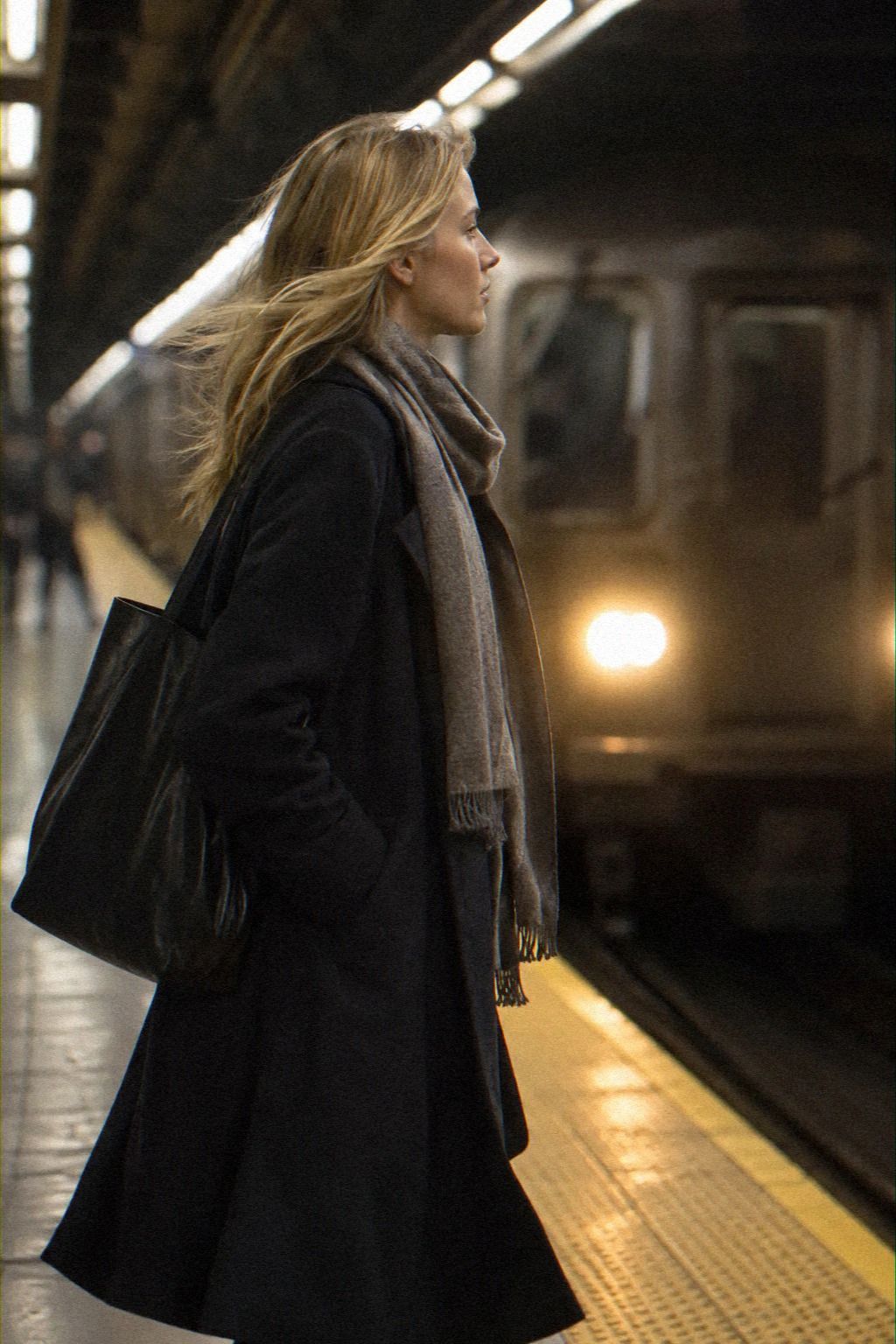
A monochrome outfit uses one color family to create a long, uninterrupted shape. Charcoal knitwear layered with a slightly lighter gray jacket keeps the silhouette calm while giving the camera enough difference to separate each piece.
You’ll want the layers to differ slightly in texture or value so they don’t merge into one dark block. Try a smooth knit under a dry-finish blazer, or a cream shell beneath a warm beige jacket. I’d choose tonal layering over a sharp black-and-white split when the background is busy.
If you’re building a capsule wardrobe, this approach offers strong value. The same jacket can work with gray, navy, cream, or muted blue, which lowers the cost per outfit. For broader professional proportions, what to wear to a career fair is a useful comparison.
12Which Contrast Keeps Your Face Distinct?
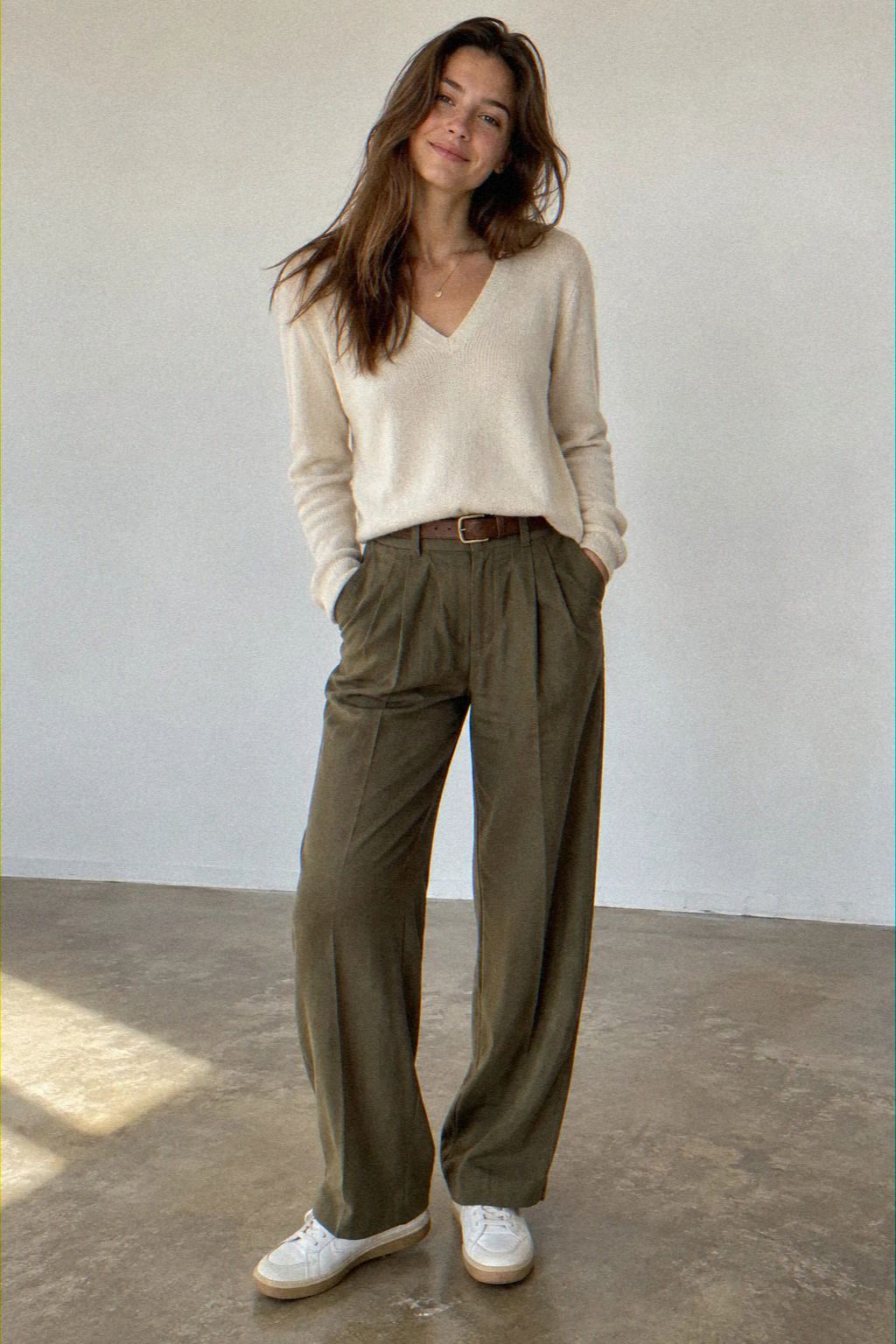
Contrast helps your face remain distinct from the top, especially when the camera exposure is uneven. A deep teal blouse or warm plum knit can separate clearly without becoming fluorescent.
Your best shade depends on your skin tone, hair, and lighting, so the test should happen in the room where you’ll interview. You’ll want to compare the top beside your face rather than holding it at arm’s length.
If your features look washed out, choose a deeper or warmer version of the color. I’d skip a near-match beige if your lighting is pale because the neckline can disappear.
A clear contrast doesn’t need to be dramatic. It only needs to give the camera a reliable edge.
13Deep V or Shallow V?
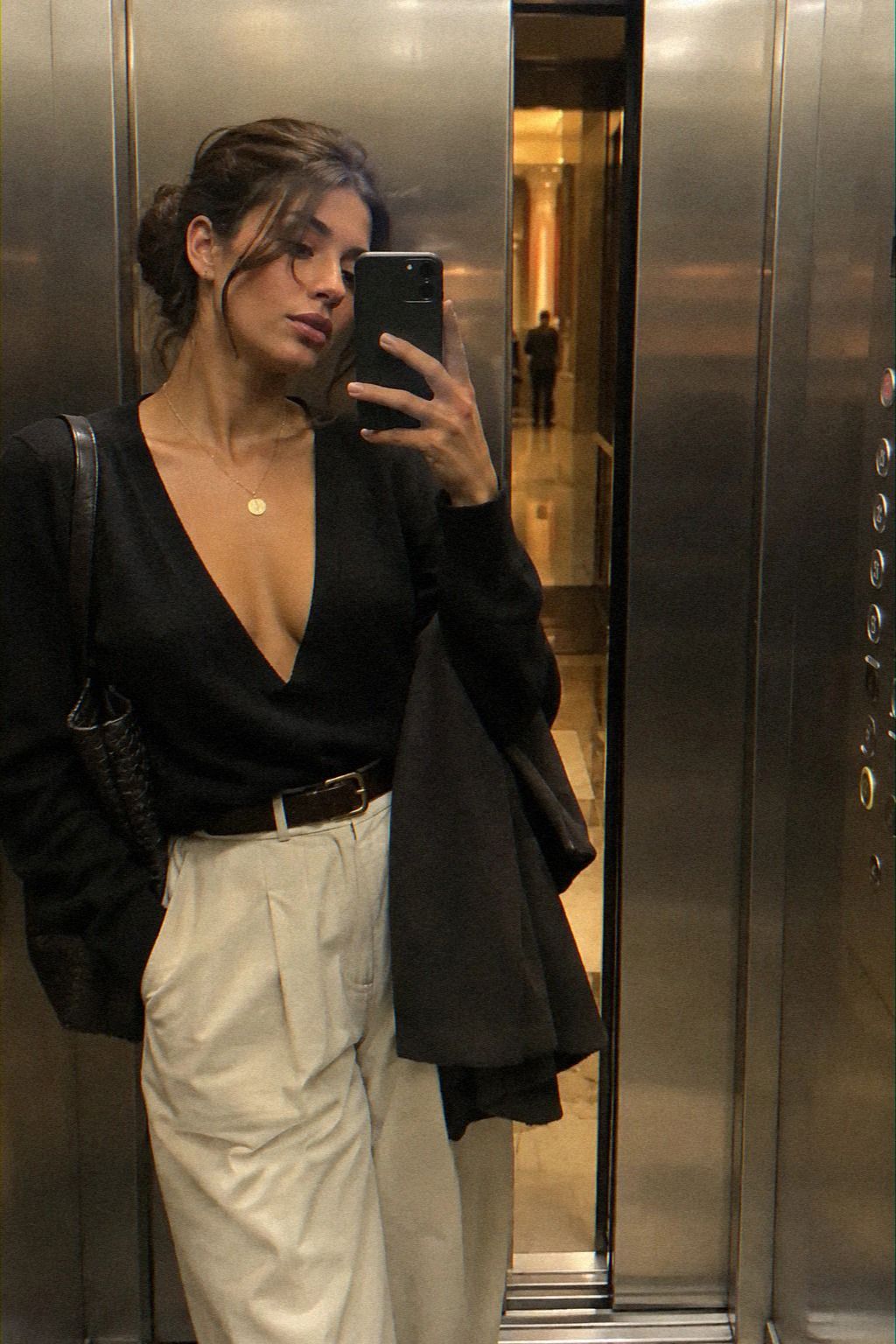
A deep V neckline can shift the visual weight downward, especially when the phone camera is held close. Choose a modest V-neck if you like the elongating line but don’t want to keep adjusting the fabric.
You’ll want to check the neckline while seated, leaning toward the camera, and looking down at notes. If the fabric opens or the edge folds inward, add a smooth camisole or choose a shallower cut. I’d skip plunging necklines for most interviews because they demand constant adjustment.
A modest V can still look elegant and modern, but it should stay put while you speak. That stability is worth more than a trend-driven cut. The same balance appears in what to wear to a citizenship interview, where coverage and proportion matter more than novelty.
14Shiny Satin Draws Attention Away
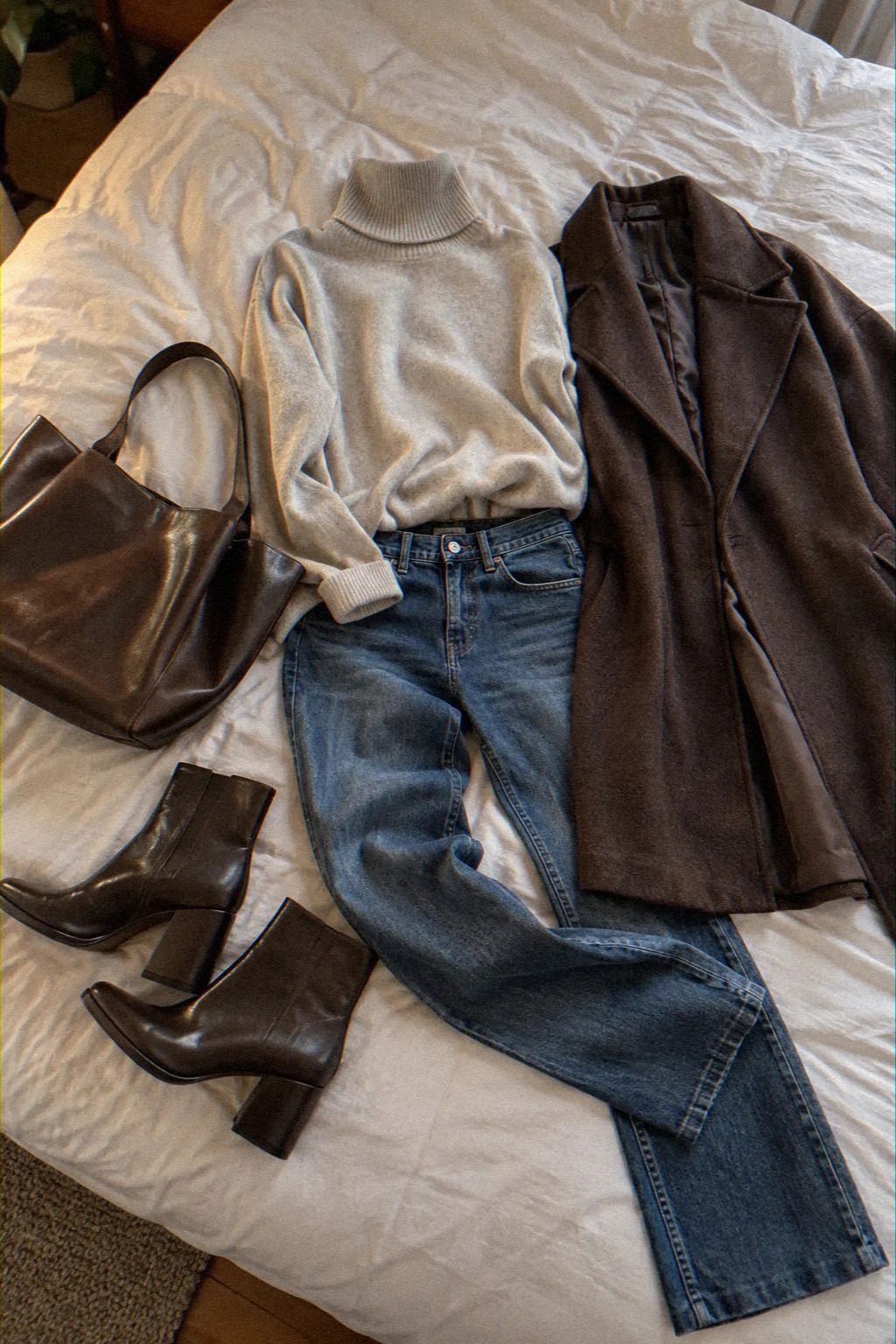
Satin reflects every light source, which can turn a quiet blouse into the brightest point on the screen. Glossy satin may look luxurious in person but distracting under a ring light or window.
If you love a fluid drape, choose washed silk, matte viscose, or a lightweight crepe instead. These materials can keep the movement without producing sharp glare. You’ll usually get better camera value from a softly reflective fabric than from a high-shine finish.
A subtle sheen can work if the light is gentle and the fabric remains stable. The risk comes from sharp reflection, not from every fabric with any softness or movement.
15Can Bright White Lose Definition?
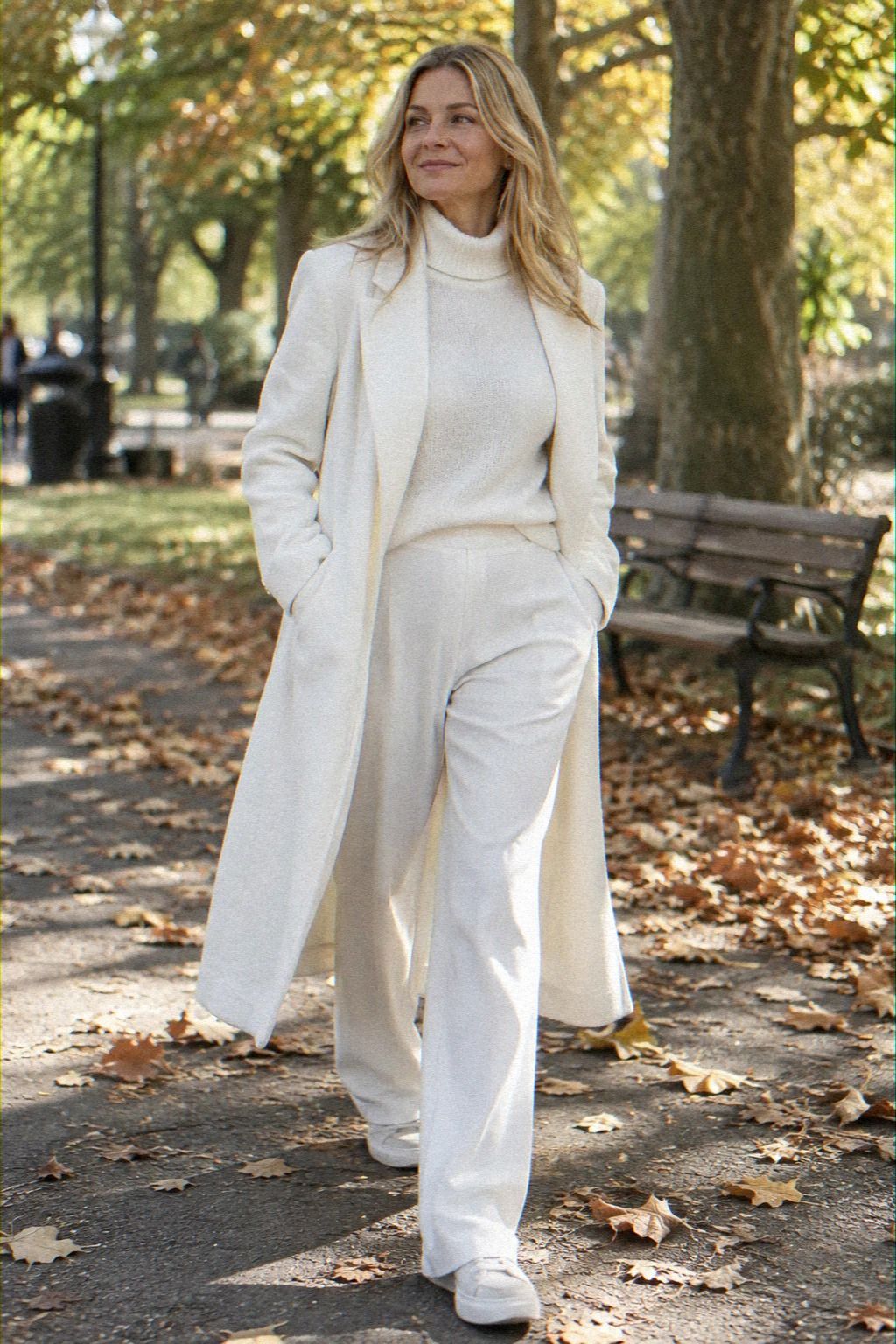
Bright white can lose its shape when the camera exposure rises, especially beside a pale wall or a strong window.
16Neon or Jewel Tones?
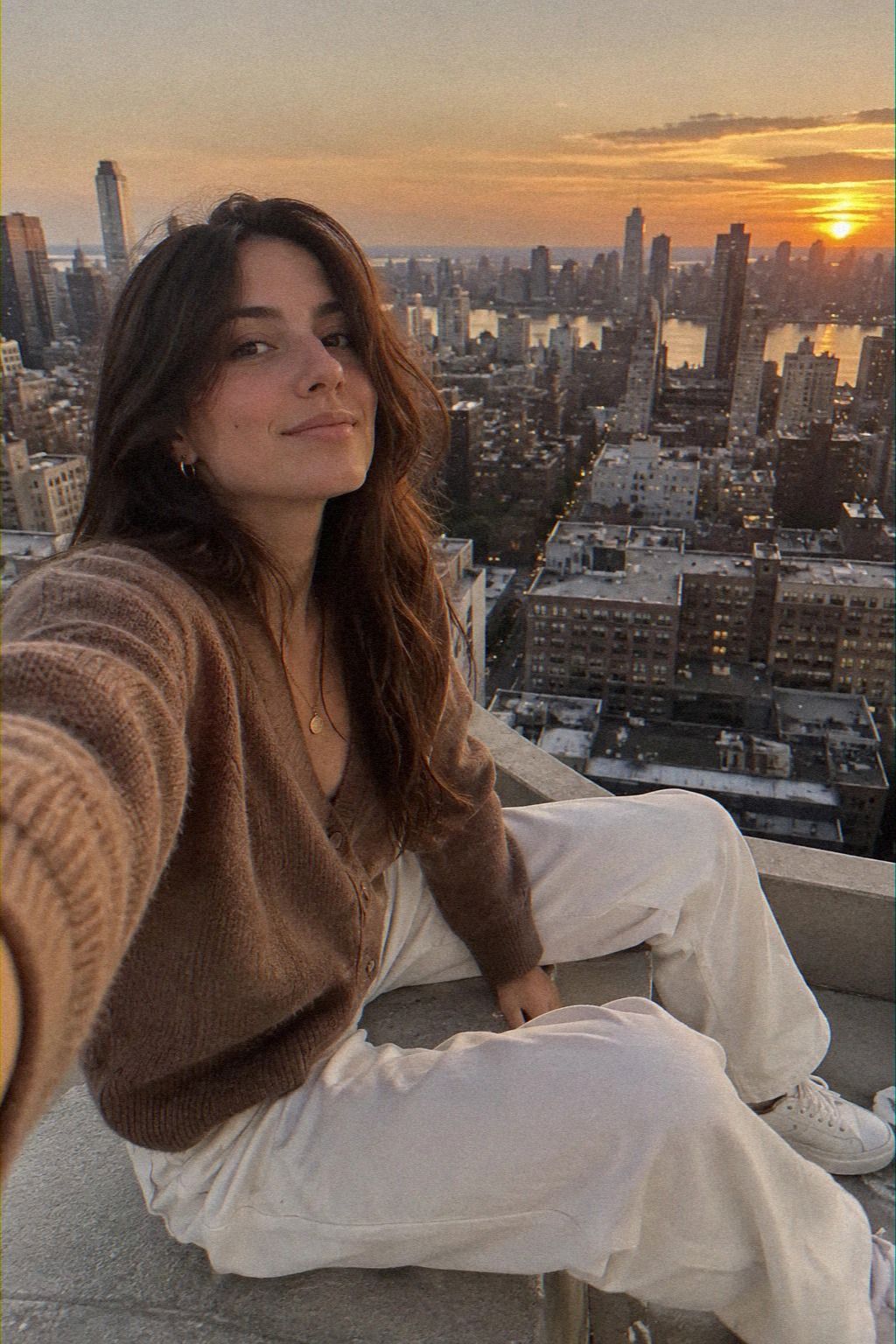
Neon shades can overwhelm a phone camera, particularly under sunset light or a strong LED. A fluorescent lime top may compete with the background and shift attention away from the face.
You’ll want to choose a softened version of the color if you love brightness. Try tomato red instead of neon orange, or cobalt instead of electric blue. I’d avoid colors that look different under daylight and indoor light because the camera may exaggerate that shift.
A saturated jewel tone gives you energy without making the image feel harsh. You can still show personality, but the shade should remain stable while you speak. If your budget is tight, one versatile jewel tone is a smarter buy than a novelty neon piece.
17Press the Collar Before You Log In
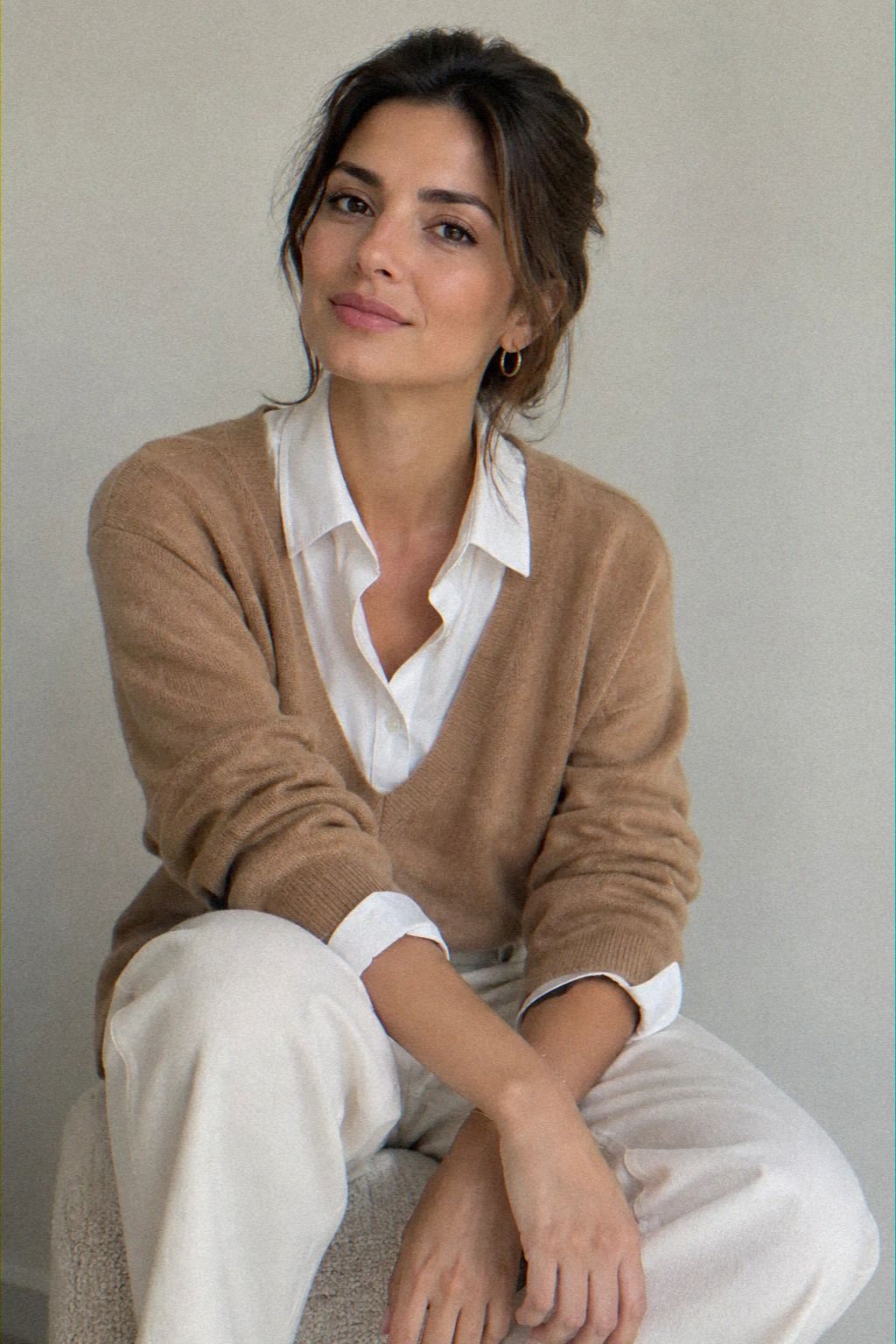
A wrinkled collar sits close to the face, so even a small crease can make the whole outfit look unfinished.
18Bare Shoulders May Feel Too Casual
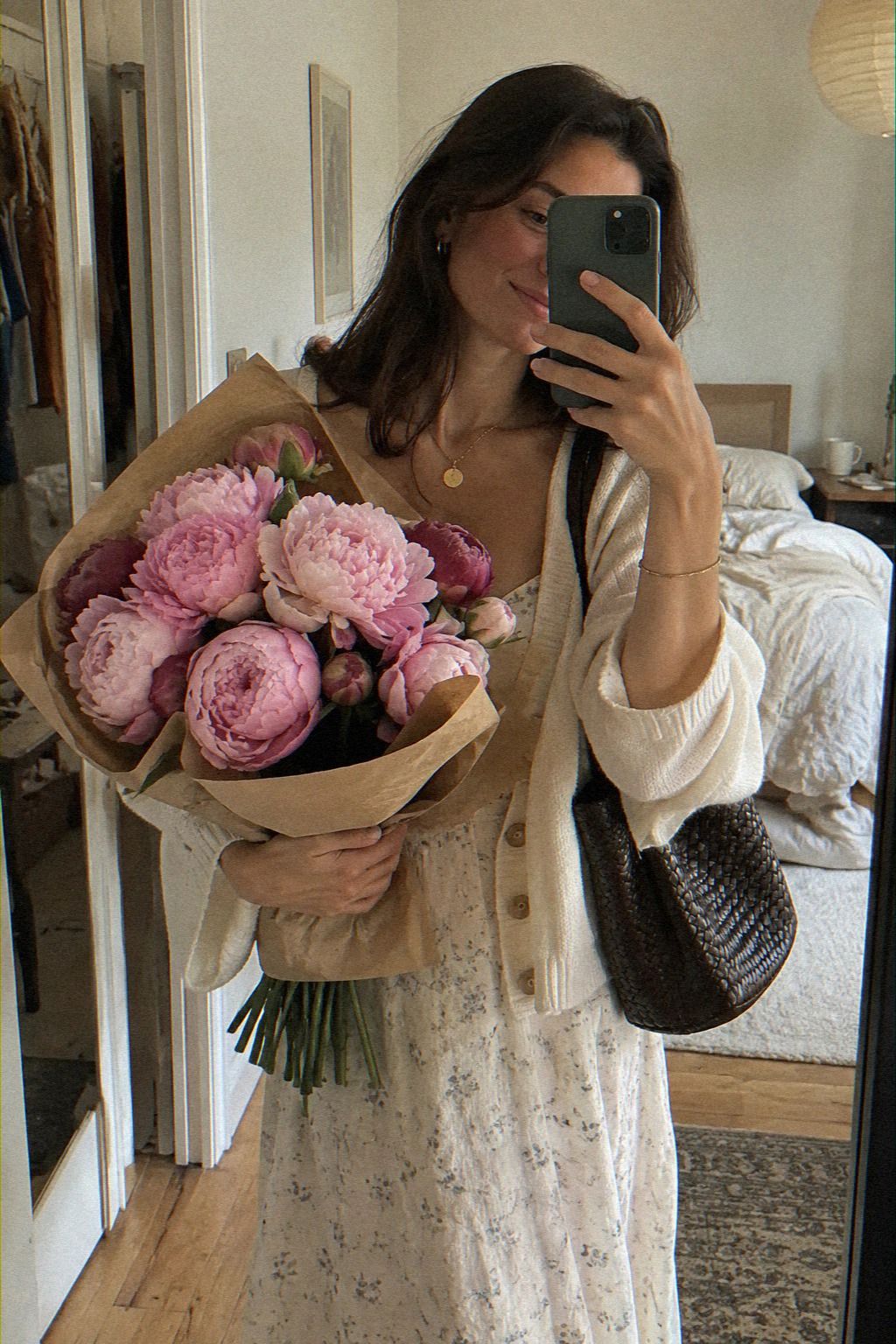
Bare shoulders can look relaxed in a casual setting, but the same styling may feel too informal for a formal interview. A short-sleeve knit gives you a lighter feeling while keeping the shoulder line covered.
You’ll want to consider the company, role, and camera crop. If the frame cuts close to the collarbone, a sleeveless top may look more exposed than expected. A light cardigan or relaxed blazer can add useful structure without making the outfit heavy.
If you’re uncertain about the formality, compare the balance with this funeral outfit guide. You don’t need to copy that level of restraint, but the guide is useful for judging coverage and proportion.
19Let a Polished Manicure Finish the Look
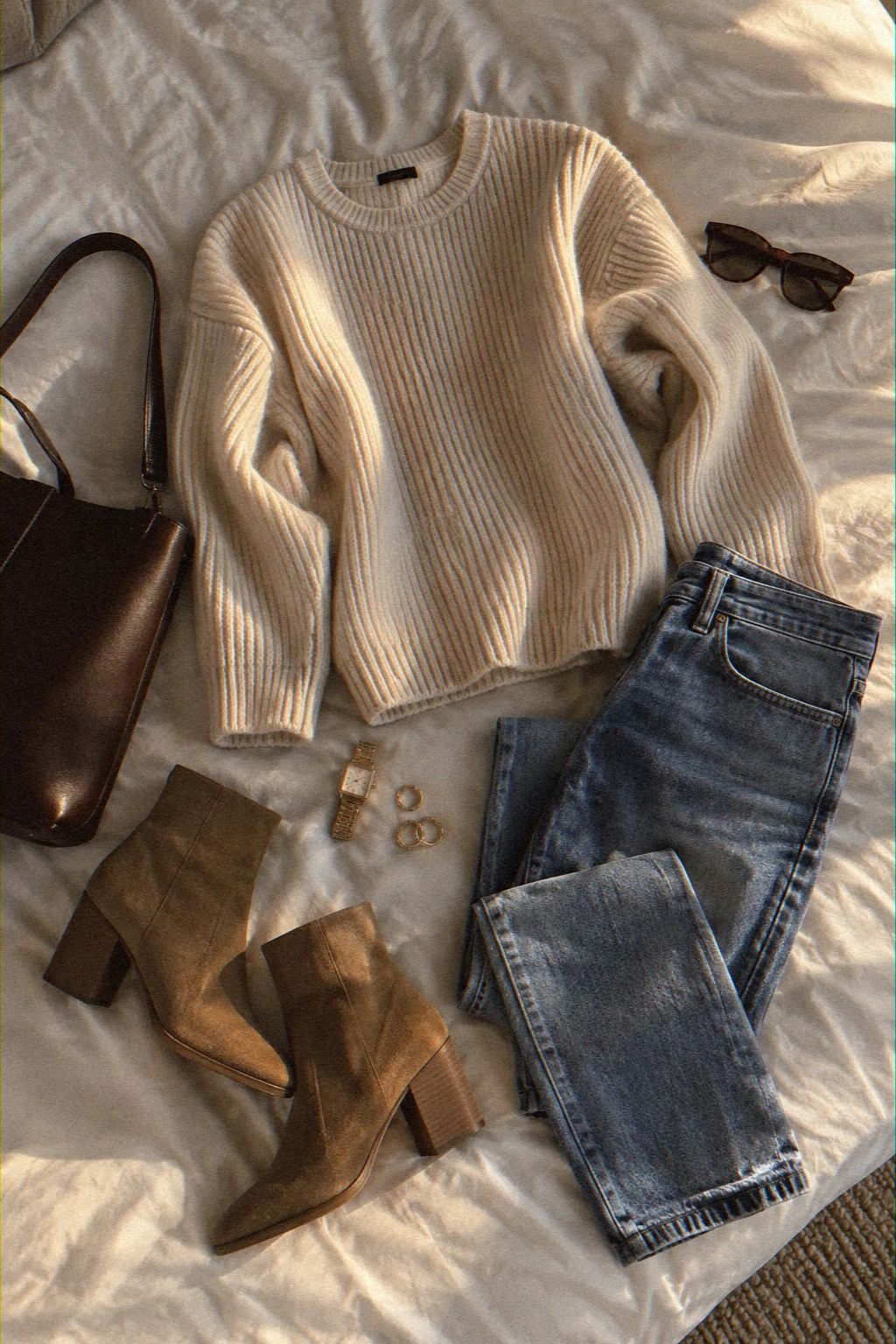
Your hands may enter the frame while you gesture, hold notes, or reach for a drink, so a polished manicure can finish the outfit quietly.
The Camera Test I’d Use Before Any Interview
Outfit advice only helps when it survives the exact camera, chair, and light you’ll use. A polished blazer can look flat on video, while a simple knit can look remarkably sharp once the frame is right. The useful test is not complicated: record one answer, watch it without sound, and notice where your eyes go first.
Before you decide, I’d run this short check:
If you’re still unsure, compare the outfit with the formal proportions in what to wear to a citizenship interview. You don’t need a new wardrobe. You need one outfit that behaves well under pressure.
A practical budget can look like this:
These are planning ranges, not fixed prices. If you’re shopping on a strict budget, spend first on the visible layer, fit, and fabric response. A thrifted blazer over an existing matte shirt can offer more value than an expensive satin blouse.
What People Always Want to Know
What is the best video interview outfit for a small workspace?
A solid blazer over a matte top is the safest starting point because it gives your face structure and avoids glare. Choose a jewel tone or soft neutral that separates from your wall. A navy blazer and cream knit are reliable, while a small pendant adds detail without crowding the frame.
The best buy is the piece you’ll reuse. For broader professional dressing, see what to wear to a career fair.
Where can I buy video interview clothing on a budget?
Check Target, outlet stores, thrift shops, and Facebook Marketplace for solid blazers, matte tops, and tailored trousers. Look for polyester crepe, cotton poplin, or secondhand wool with a clean surface.
You don’t need a complete new outfit. One structured layer can change several combinations and improve the value of what you already own.
What to wear to jury duty also offers useful proportion cues.
How much does a video interview outfit cost?
A practical outfit can cost about $100 to $300, depending on whether you buy new or secondhand. You may already have suitable trousers, shoes, or jewelry.
I’d spend first on the visible layer, since a blazer or polished top usually affects the camera image more than hidden pieces. If you need a formal alternative, what to wear to a citizenship interview offers useful proportion cues.
Can I create a strong video interview outfit on a budget?
Yes, and I’d start with three low-cost changes: steam the collar, test the top beside your background, and remove reflective jewelry. A thrifted blazer over an existing matte shirt can look more polished than a costly satin blouse.
Your lighting and fit matter more than a label. That’s where the real value is.
If you’re comparing levels of formality, this funeral outfit guide can help you judge how restrained the visible layers should be.
Is a video interview outfit worth planning in a small space?
Yes. A small space often gives you more control over lighting and background, which makes outfit testing easier.
Sit in the same chair each time, keep the camera at eye level, and choose a top that separates from the nearest wall. A calm frame helps your clothing stay secondary.
What to wear to a career fair can help when you’re deciding how much structure the setting requires.
Is this approach suitable for a rental or shared home?
Yes. You don’t need a permanent backdrop or major changes.
Use a plain wall, a tension rod with a neutral curtain, or a removable background placed behind the chair. Keep the visible area simple, then choose a matte jewel-tone top that gives your face clear contrast. The cost stays low when you adapt the space instead of rebuilding it.
For a more formal benchmark, see what to wear to a citizenship interview.
Should I buy a new outfit for every interview?
No. I’d build one polished base with a structured blazer, a matte top, and trousers that sit comfortably. Change the color or accessory only when the role calls for it.
A reusable capsule offers better value than repeated impulse purchases, especially when the same camera setup works for several interviews. What to wear to jury duty is another useful reference for building a restrained, repeatable outfit.
Where I’d Start First
If I had to pick one, I’d start with a solid matte blazer. It gives your face a clean boundary, hides small collar shifts, and still looks composed when you lean toward the camera. Pin that outfit for later, test it under your real light, and let the interview carry the attention.
That is enough!