
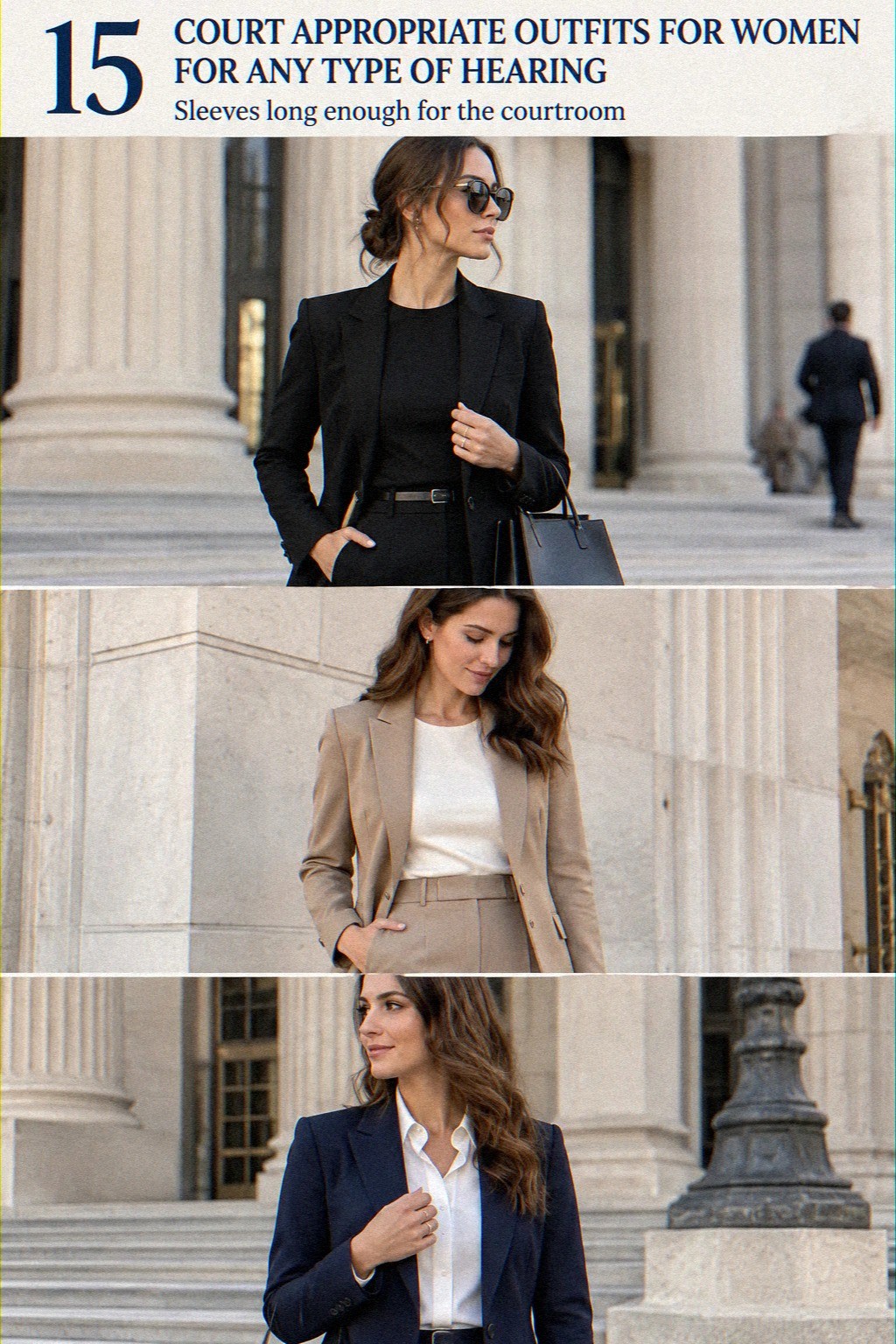
The best court-appropriate outfits start with a structured layer, a calm color, and shoes you can stand in. You don’t need a new wardrobe. You need pieces that stay polished while you’re sitting, walking, waiting, and carrying documents. Start here! These 15 ideas focus on fit, cost, comfort, and a composed silhouette.
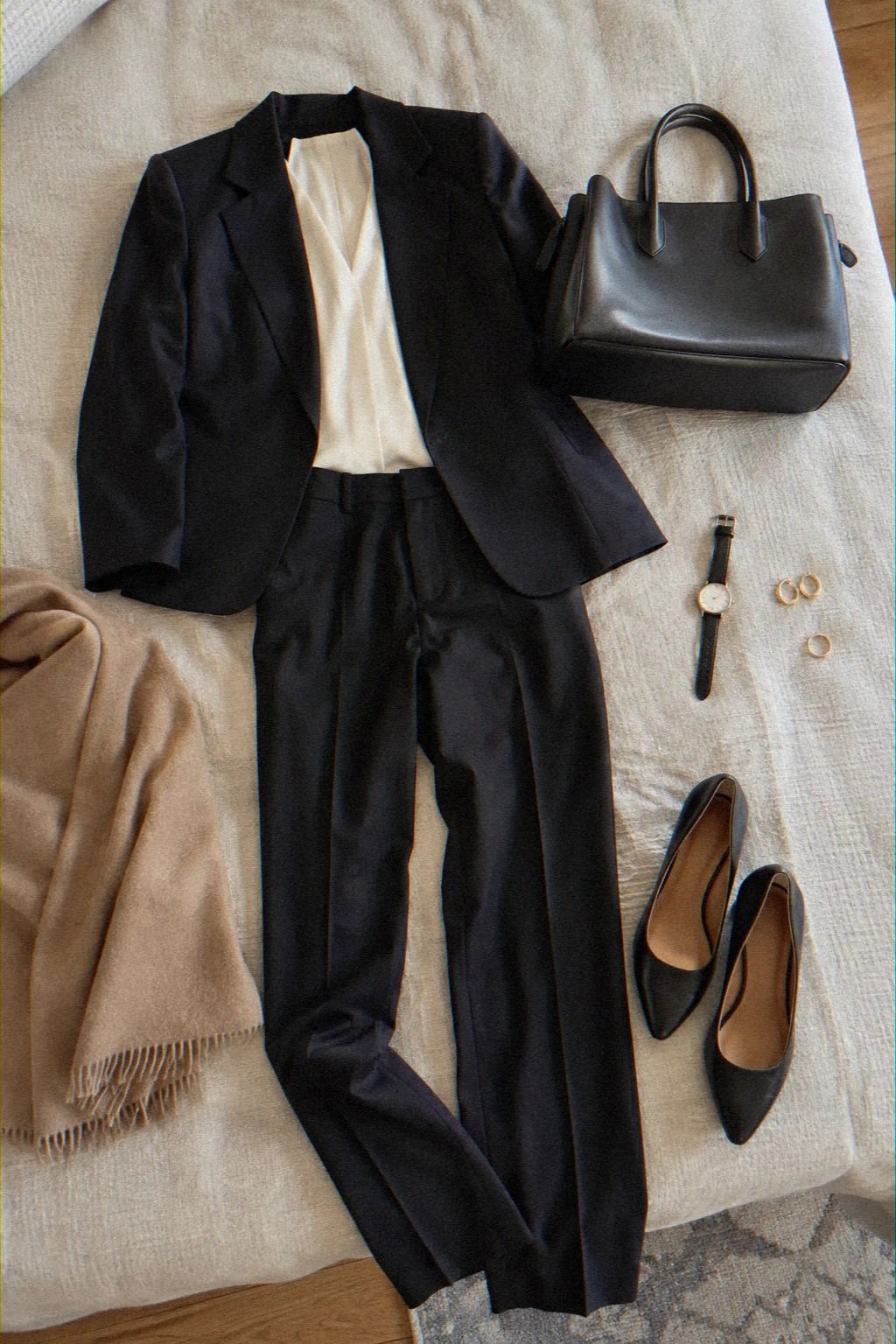
- Start with a Navy Suit for Arraignment
- When a Midi Dress Makes Sense for Family Court
- Why Closed-Toe Flats Matter for Jury Duty
- Match a Blazer to Wide-Leg Trousers
- Family Court Calls for Restraint, Not Severity
- Keep Jewelry Minimal for Criminal Court
- Select a Button-Up for Traffic Court
- Opaque Tights or Bare Legs for a Court Dress?
- The Document Tote Has to Work First
- Add a Neutral Belt to Define Proportions
- Remote Court Needs a Different Frame
- Prepare Layers for Variable Hearing Temperatures
- Choose Polished Flats for Long Hearings
- Coordinate a Modest Neckline with Tailoring
- Check Hemlines Before Your Court Appearance
1Start with a Navy Suit for Arraignment

A navy suit gives you a composed starting point without looking severe. Choose a single-breasted navy blazer with a clean shoulder and matching straight-leg trousers. The jacket should close without pulling, while the trousers should skim rather than cling.
An ivory knit or pale blue cotton shirt keeps the contrast soft.
This is the Navy Anchor Rule: one dark tailored foundation, then quieter supporting pieces. I’d choose a matte wool blend over shiny polyester because it usually looks more polished. If you’re building a small court wardrobe on a budget, this is often the best value starting point.
Add a small terracotta, stone, or olive accent through a knit, scarf, or bag lining. Keep jewelry restrained.
Small studs, a simple watch, and a structured black bag are enough. You can borrow the neat proportions from these office-appropriate Christmas party outfits without adding festive details. A second useful reference is this guide to court outfit guidelines for women.
2When a Midi Dress Makes Sense for Family Court
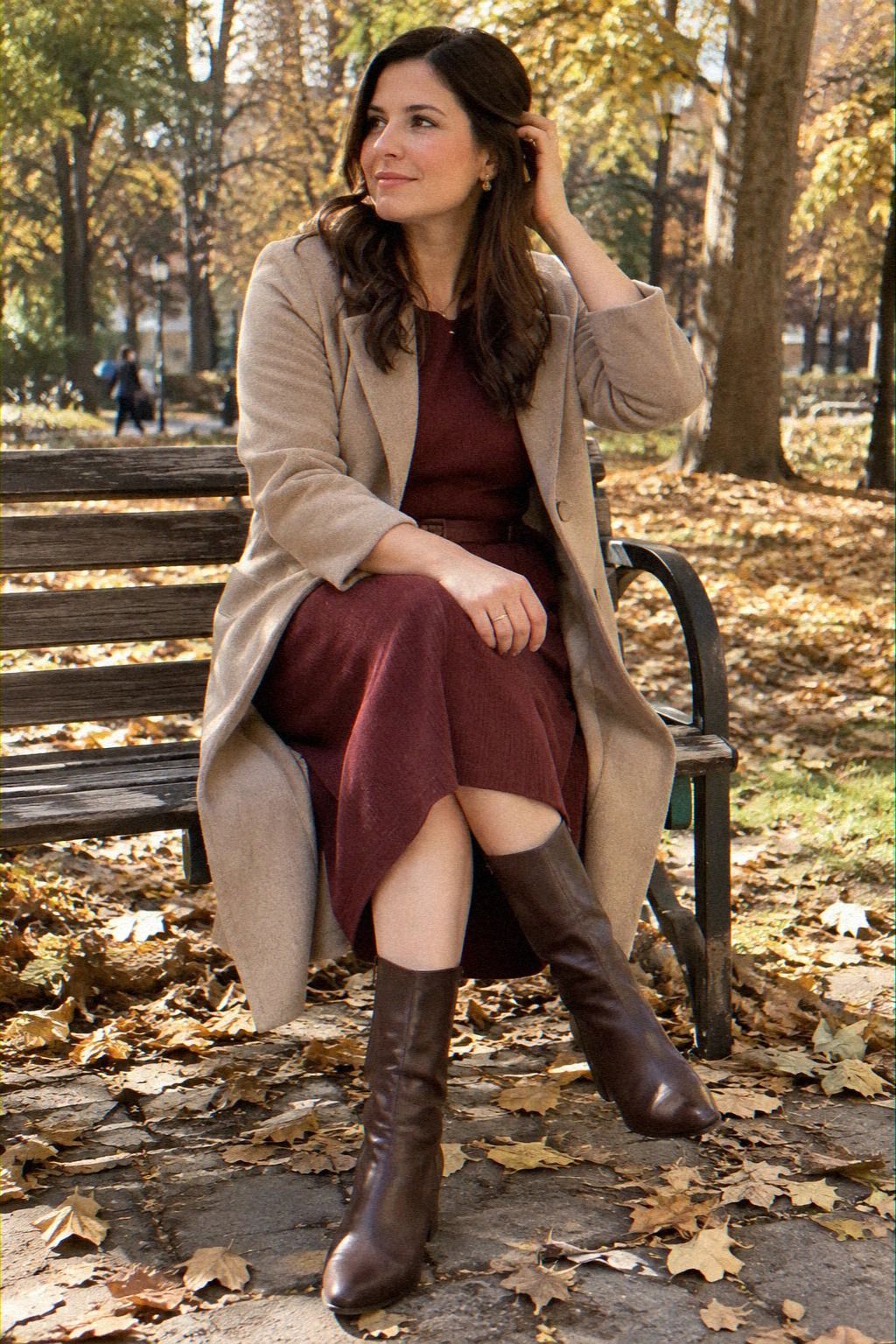
A midi dress can look respectful without making you feel boxed in. Pick a clay-colored linen midi dress with sleeves, a defined shoulder, and a neckline that stays secure when you sit. The hem should fall below the knee and shouldn’t ride upward when you cross your legs.
A lightweight linen blend offers graceful movement, but check whether the fabric wrinkles easily before relying on it for a full day. Add a cropped stone cardigan only if the courtroom is cold, then choose closed-toe flats in brown or black. Small aged-brass earrings can add polish without making the outfit decorative.
I wouldn’t choose a thin jersey dress because it can cling when you’re seated. For fabric ideas, compare the relaxed drape in these linen dresses for women over 50, then select a more structured version for court. The goal is refined, secure, and easy to sit in.
3Why Closed-Toe Flats Matter for Jury Duty
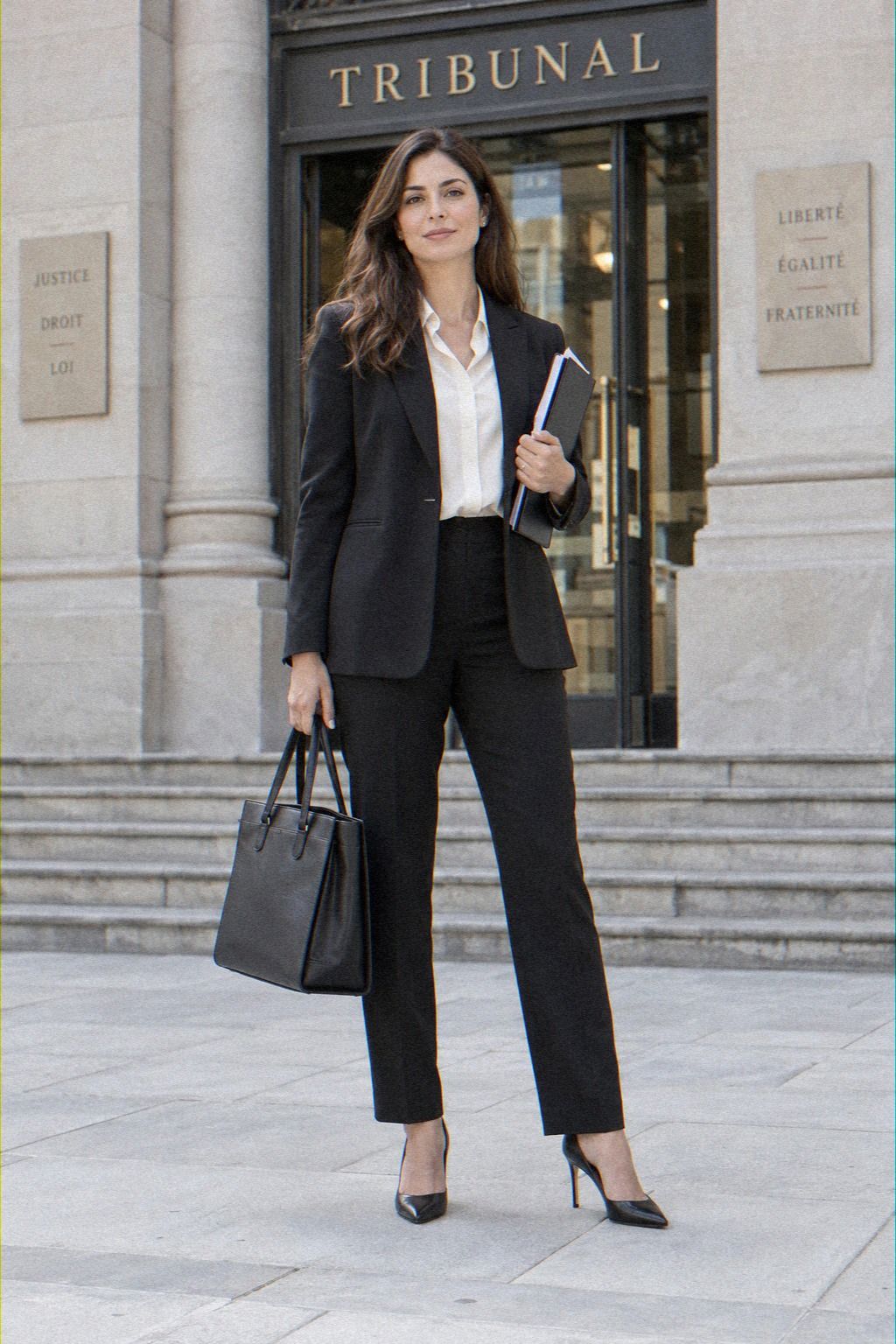
Jury duty can involve walking, standing in security lines, and long stretches of sitting.
4Match a Blazer to Wide-Leg Trousers
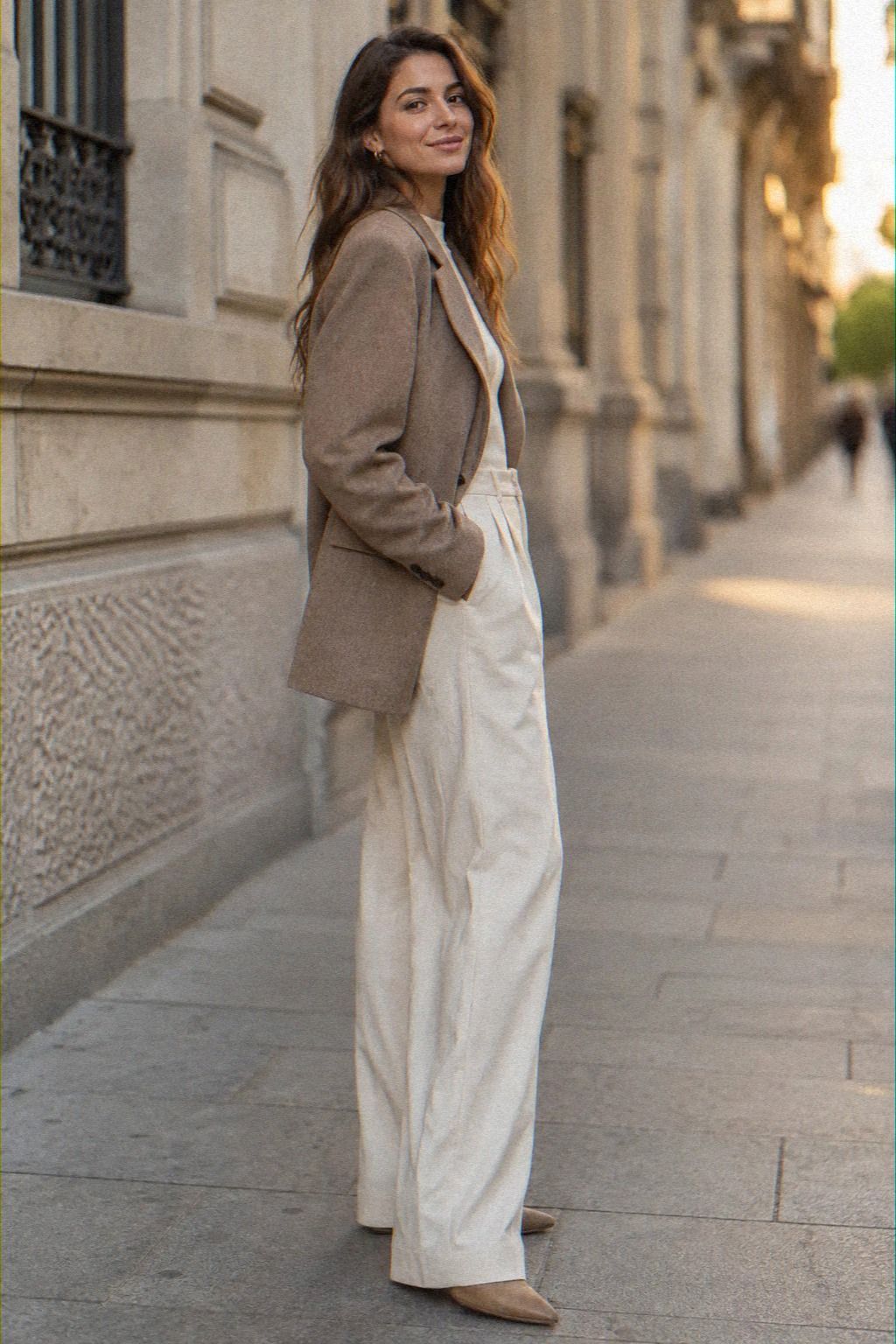
Wide-leg trousers can look exceptionally polished when the blazer shares their visual weight. Choose navy wide-leg trousers with a pressed crease and pair them with a tailored white blazer that ends near the hip bone.
This is the Long-Line Balance: one fluid lower half, one precise upper half. A three-quarter-lined wool blend can drape better than flimsy suiting fabric, especially when you’re walking. Check the trouser hem with the shoes you’ll wear.
Too much fabric pooling over flats can look careless.
If you’re unsure about tailoring, bring both pieces to the same fitting appointment. A professional can adjust the waistband, sleeve length, or trouser hem. The alteration may cost less than replacing a nearly suitable outfit, and it can improve the overall value of pieces you already own.
Don’t add a bright belt just to create contrast. Let the cut do the work.
5Family Court Calls for Restraint, Not Severity
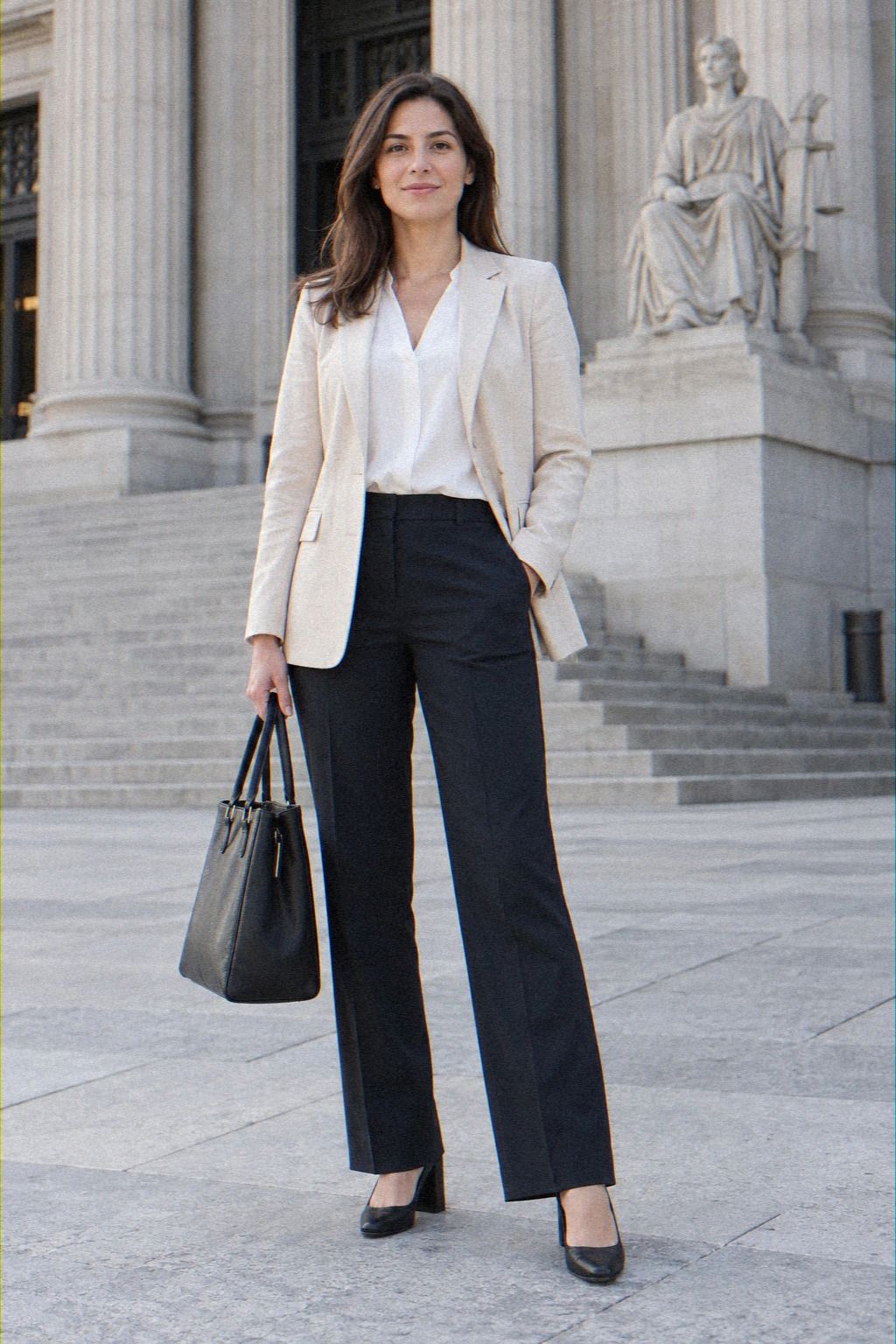
A conservative outfit doesn’t have to look dull. Build yours around an emerald sheath dress, a cream blazer, and closed-toe pumps or flats. The emerald dress adds depth without relying on decoration, while the jacket creates a clear boundary around your shoulders.
Your neckline should stay secure when you lean forward, and the dress should have enough ease through the waist and hips for sitting. I’d avoid a very fitted shape because you’ll spend more time adjusting it than listening.
A lightweight wool suiting or compact ponte can offer structure without feeling rigid. Add one restrained gold detail if you want warmth, such as small earrings or a slim watch.
For more ideas about respectful dressing, look through these black funeral outfit combinations, then remove anything overly somber, decorative, or ceremonial. Court clothing should feel deliberate, not mournful.
6Keep Jewelry Minimal for Criminal Court
Minimal jewelry helps your clothing and your manner stay visually quiet.
A small pair of forest-green or rust-toned earrings can add interest without becoming a focal point. Choose a simple finish, avoid oversized stones, and keep the rest of your accessories in natural, understated tones.
7Select a Button-Up for Traffic Court
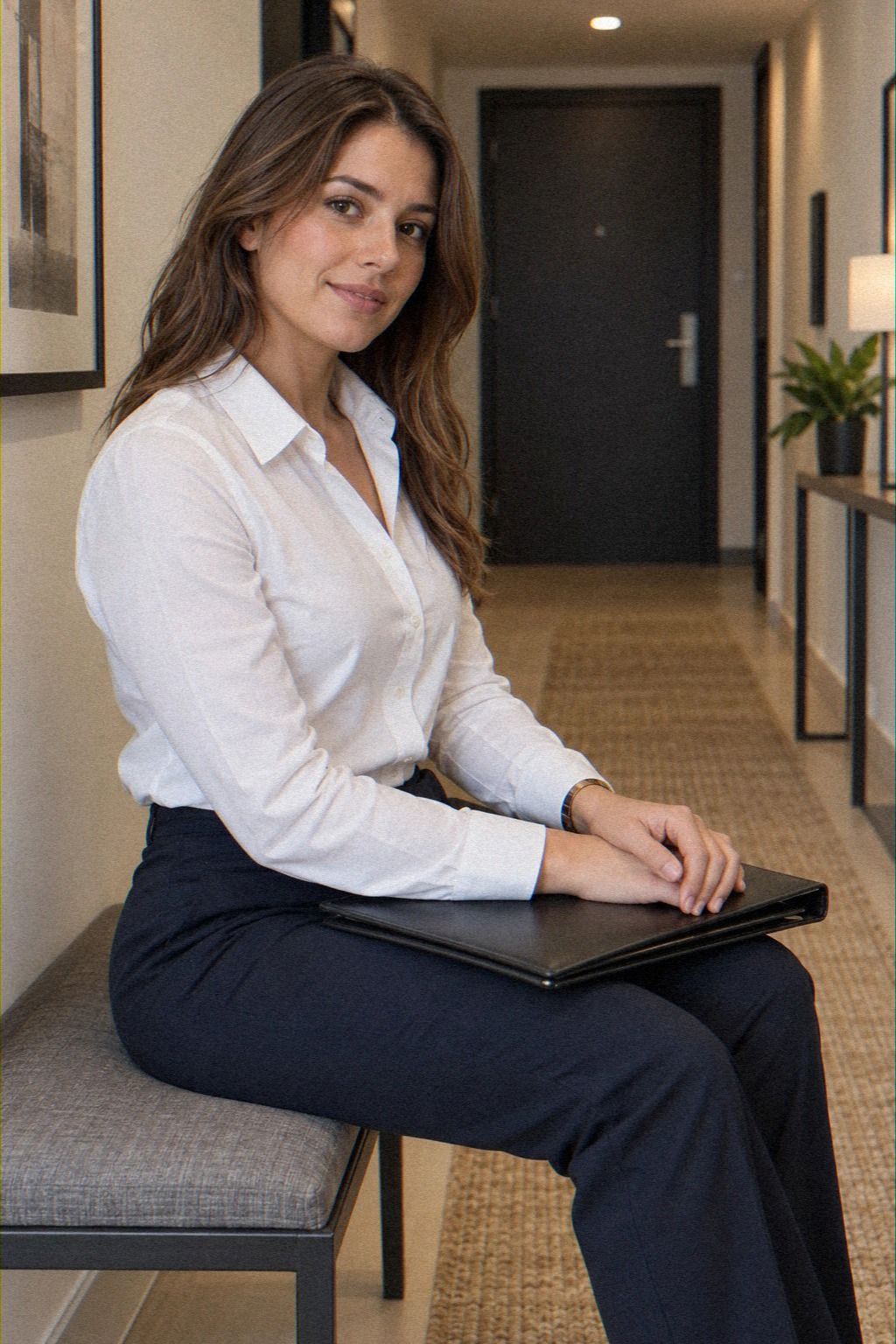
A button-up shirt is one of the easiest ways to make a simple outfit look intentional. Choose a dusty-rose cotton-poplin shirt with a firm collar, opaque fabric, and buttons that sit flat. Tuck it into charcoal trousers, a navy skirt, or tailored ankle pants.
Your shirt should have enough ease through the bust and shoulders that you can reach for documents without the placket pulling open. Choose 100 percent cotton poplin for crispness, or a cotton-modal blend if you prefer softer movement. A small brass watch works better here than bright statement jewelry.
I’d skip a sheer white blouse, even if the cut is elegant. It creates extra layering decisions and may look less formal. These day cruise outfits with practical packing ideas offer useful fabric comparisons, but your court shirt should remain more structured.
8Opaque Tights or Bare Legs for a Court Dress?
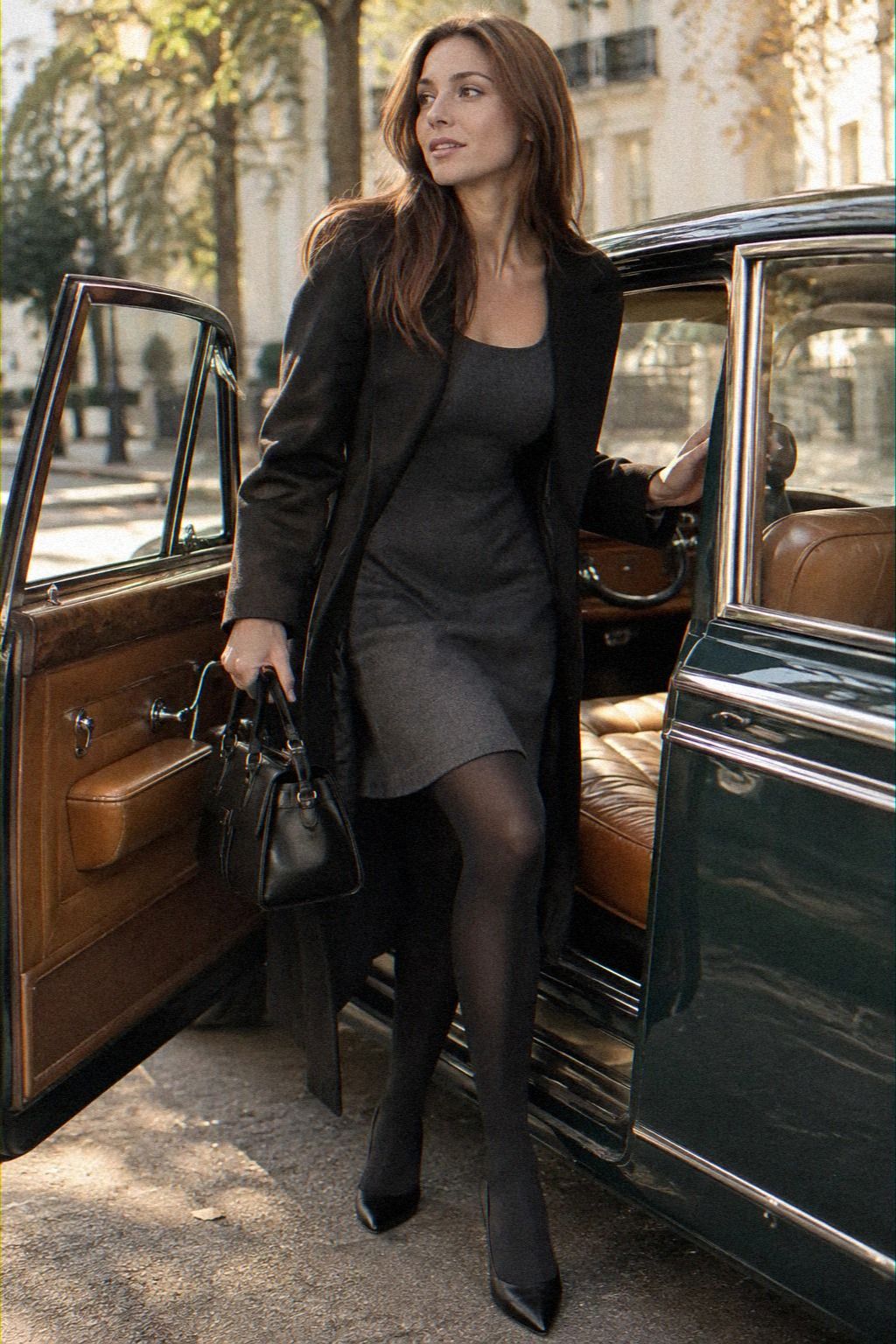
Black tights work with navy, charcoal, and black. They also give a warm-white or camel dress more definition without adding another strong color.
Choose a matte finish rather than anything glossy, and check that the waistband stays comfortable while seated. Shagreen-textured shoes or a small leather accessory can add subtle texture, but keep the rest of the outfit plain.
9The Document Tote Has to Work First
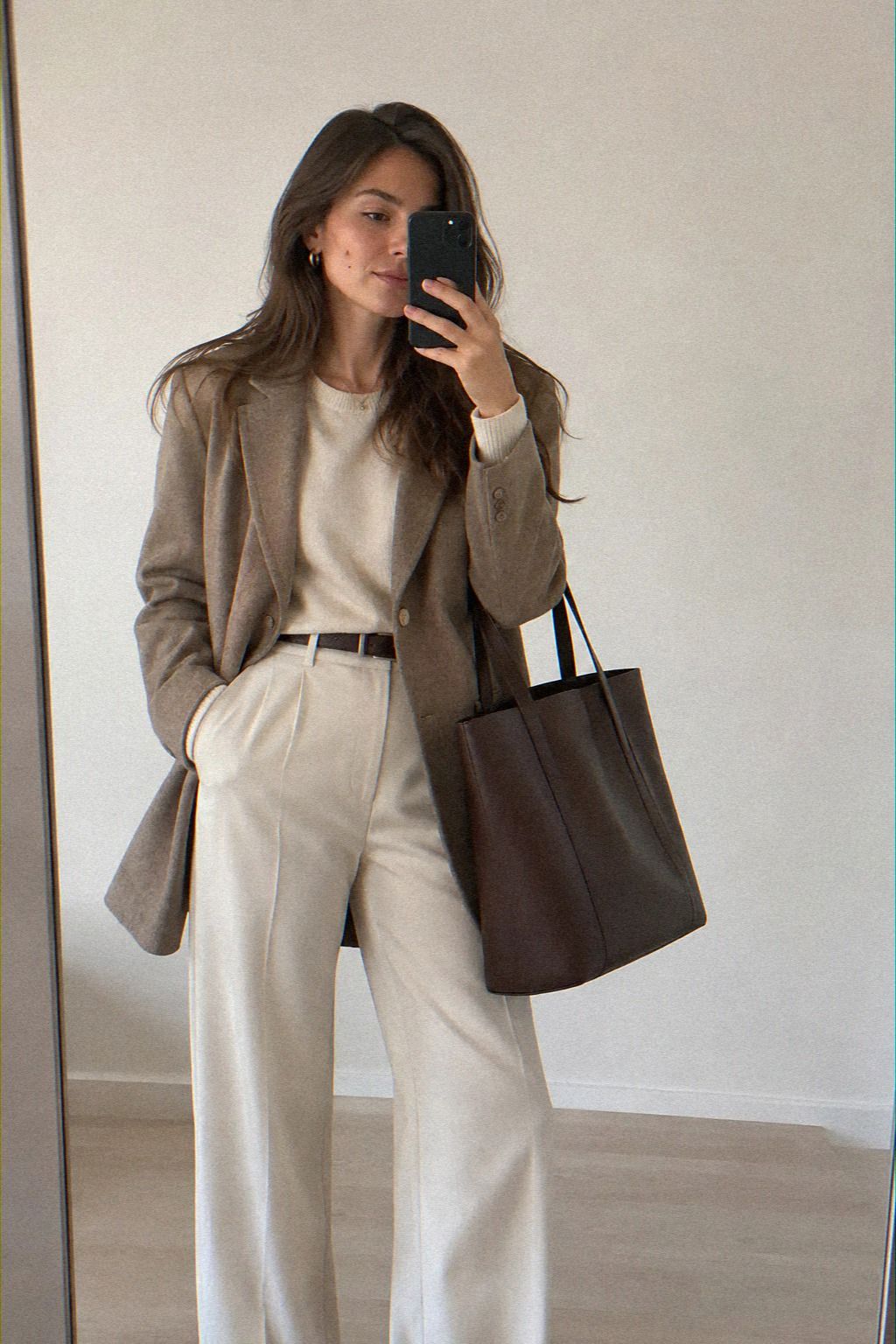
A structured tote gives your court outfit a practical finish and keeps papers from folding into a messy bundle. Choose a midnight-blue tote with a flat base, reinforced handles, and enough room for letter-size documents.
A washed Belgian linen exterior can feel polished when it has firm interlining and clean edges. Pair it with an ivory folder or a discreet copper-toned pen, but avoid excessive hardware. Your bag should stand upright when you set it down and close securely without looking like luggage.
Add a letter-size folder, a slim pen, and required paperwork. You don’t need visible branding or decorative hardware.
That trade-off matters! A medium tote often offers better value than an oversized carryall because you won’t spend ten minutes searching for your keys. I wouldn’t choose a soft hobo for documents, since it can collapse and make papers harder to reach.
For another organized approach to practical accessories, see these office-appropriate party outfits, then keep the palette quieter for court.
10Add a Neutral Belt to Define Proportions
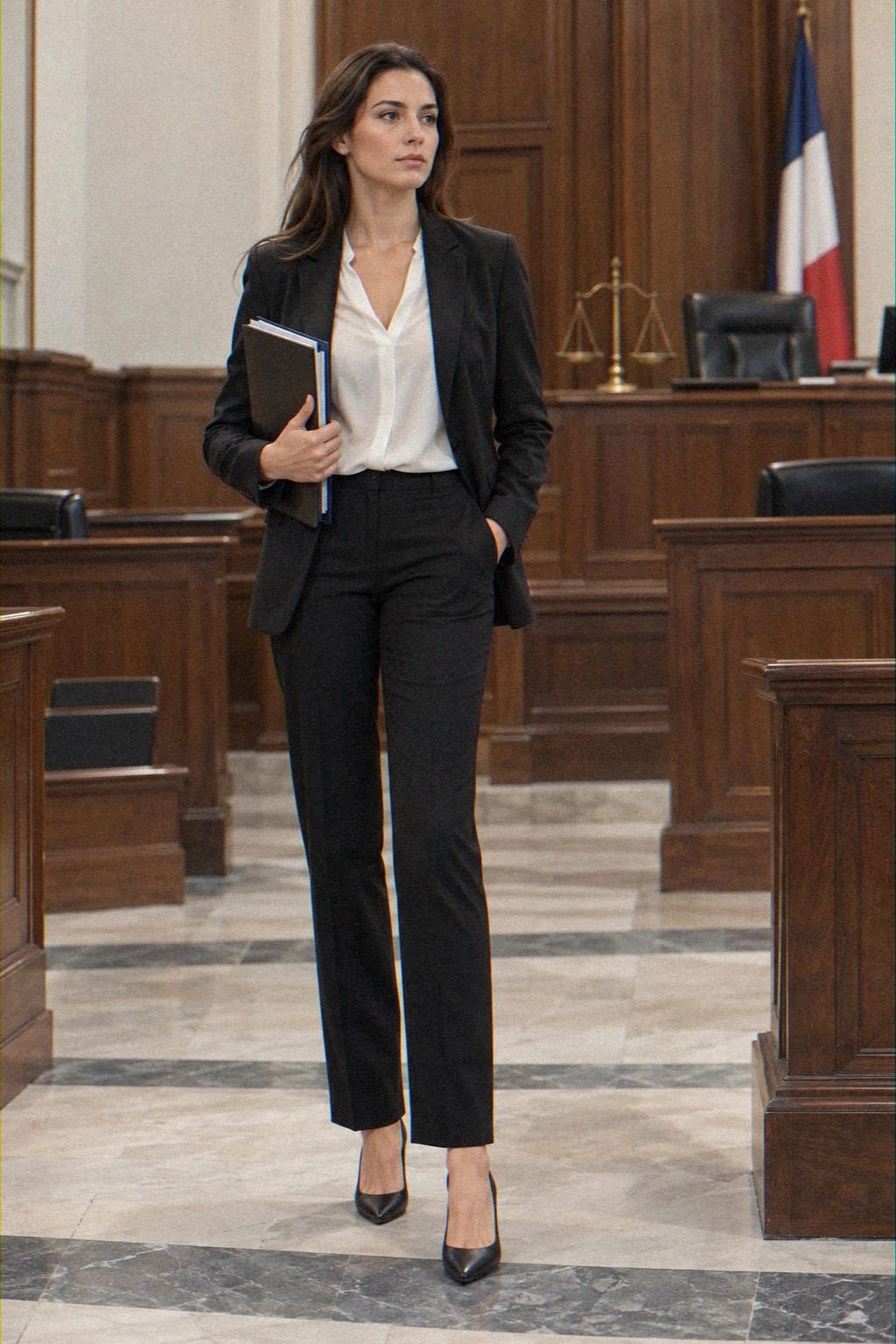
A neutral belt can clarify the shape of a cardigan, dress, or pair of high-waisted trousers without making the outfit feel decorative.
Try a sage-green belt with warm cream tailoring, or choose a natural tan belt with an understated wood-toned buckle. The belt should sit flat and match the proportions of the garment rather than interrupting them.
11Remote Court Needs a Different Frame
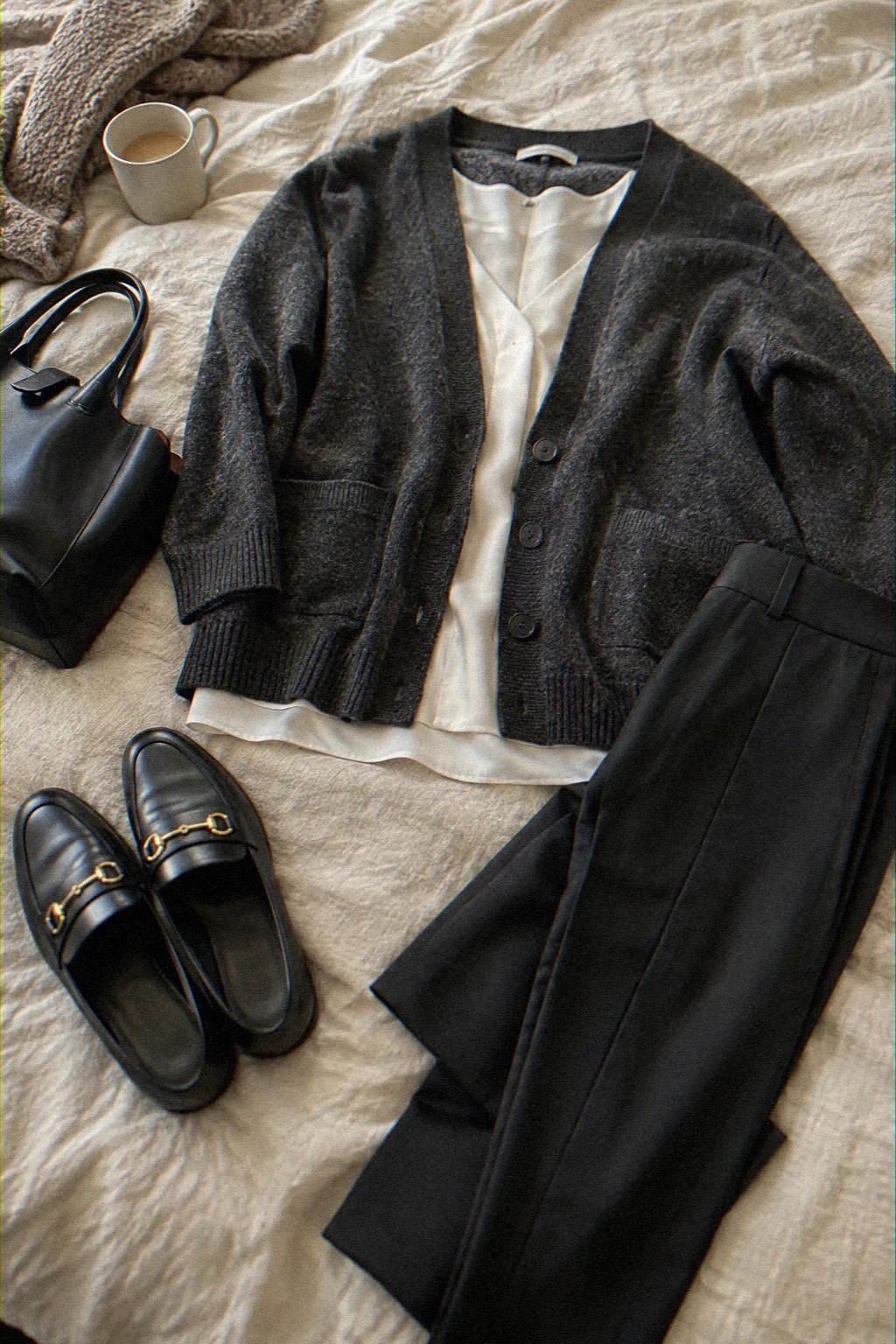
Remote court appearances still require a visible upper half that looks composed. Choose a terracotta fine-gauge merino cardigan over a stone shell or olive button-up. Your neckline should sit securely, and the cardigan should retain enough structure around the shoulders.
A v-neck can work if the opening remains modest and secure. Avoid very soft loungewear knits, oversized hoods, and bright graphics. Your clothing should read clearly without relying on a full outfit below the desk.
Check your screen position, lighting, and background before the appearance. You want the merino wool knit to look refined rather than fuzzy or overexposed.
These first-date dinner outfit ideas show how a simple cardigan can look polished when the base layer is clean. The same principle applies here, with less sparkle and more structure.
12Prepare Layers for Variable Hearing Temperatures
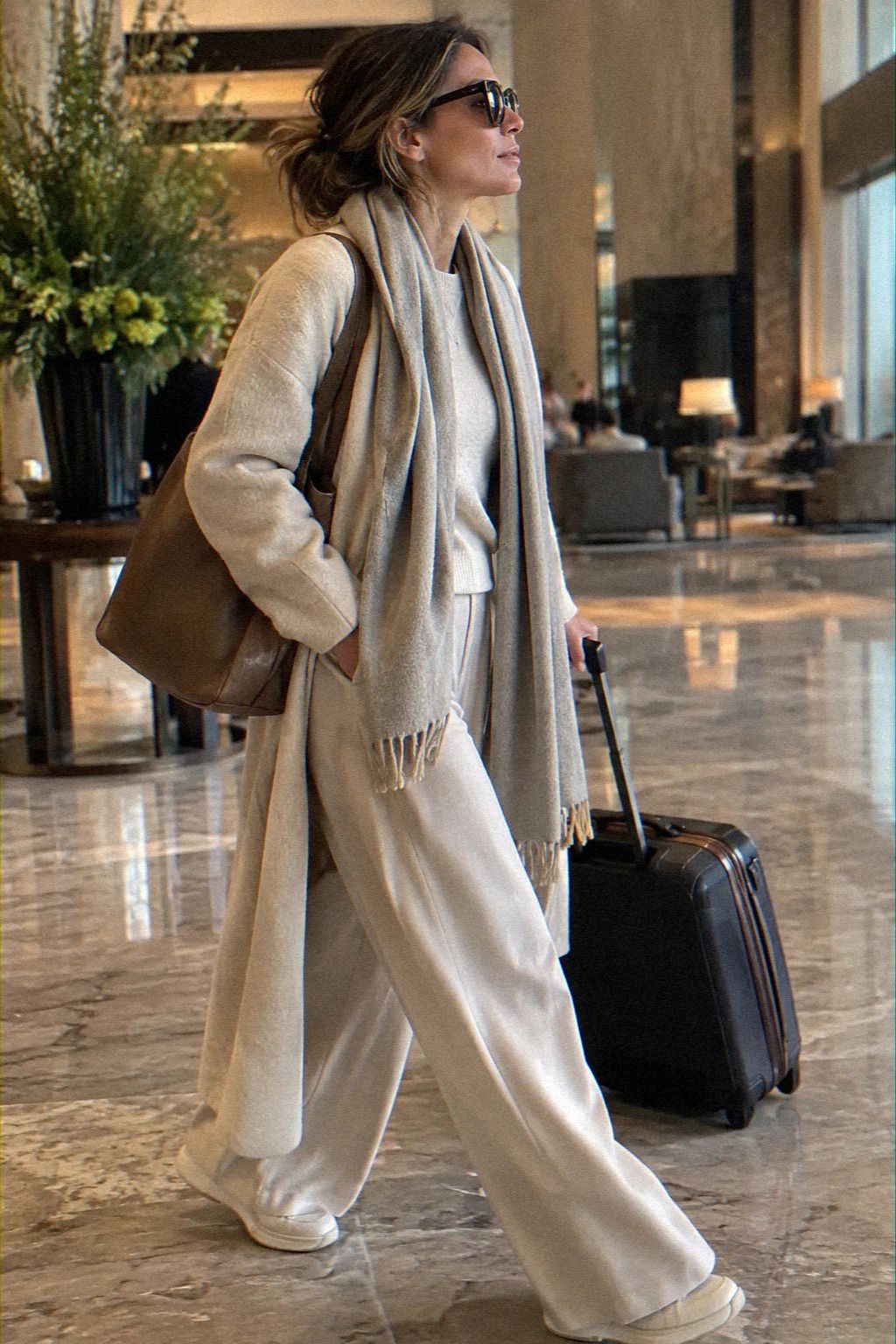
Courtrooms can feel chilly, warm, or both during the same day. Start with a clay linen-blend sheath dress or a lightweight blouse and trousers, then add a tailored blazer or fine cardigan.
Your base layer should remain appropriate if you remove the outer layer. A deep-pile mohair velvet blazer can add warmth and texture, but choose a restrained cut so it remains professional rather than theatrical.
Choose pieces that fold neatly and don’t create noisy layers. Avoid scarves that slip forward when you’re seated.
If you’re traveling, place the blazer in a garment sleeve rather than crushing it in a tote. These day cruise outfits offer practical packing ideas, but court layers should be quieter and more tailored.
13Choose Polished Flats for Long Hearings
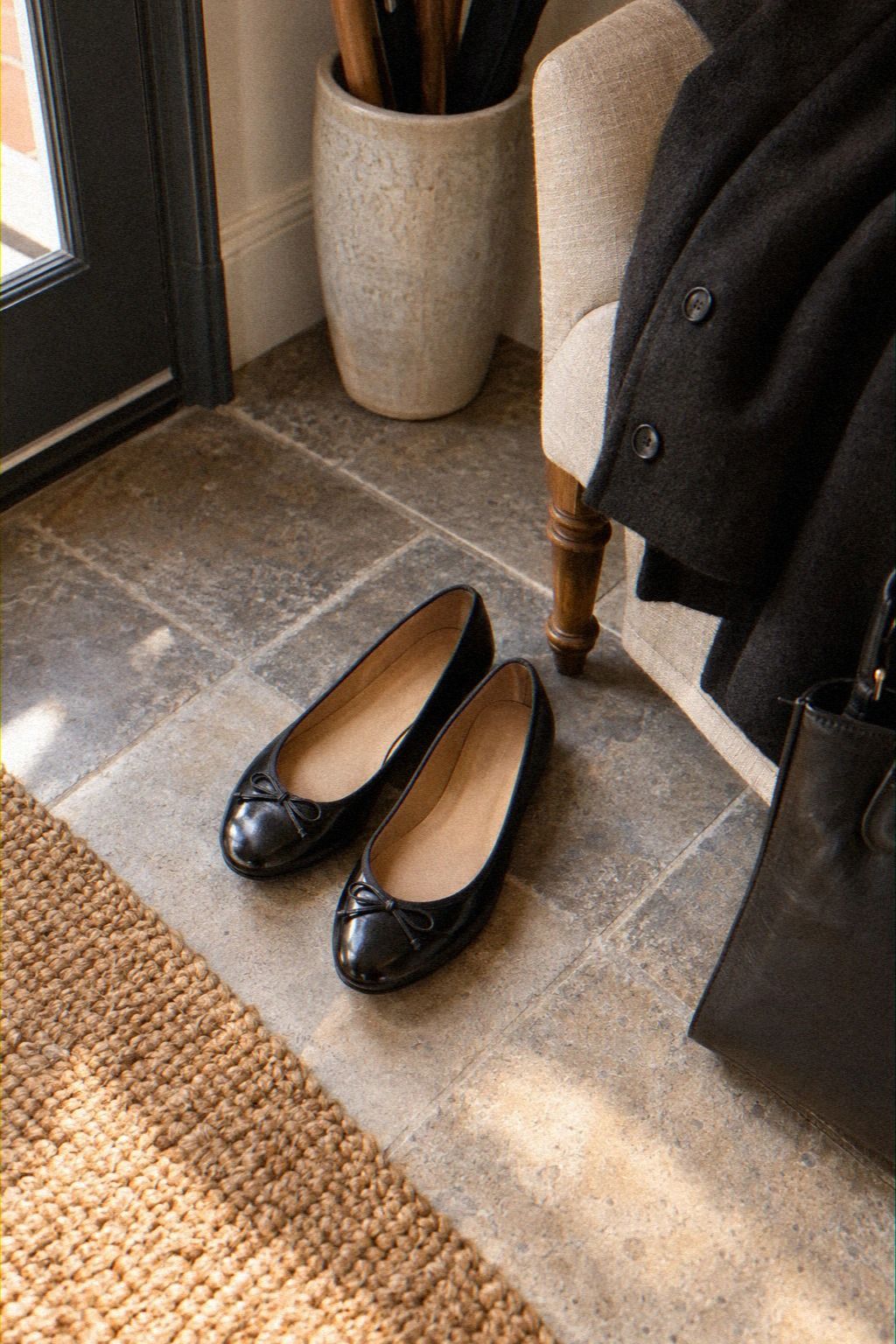
For a long hearing, polished flats need more than a pretty toe shape. Look for plum or soft-gray leather loafers with a cushioned footbed, a stable sole, and enough room for your toes.
Plum loafers work with a suit, while gray can add quiet interest to navy or cream tailoring. A small rose-gold detail is enough if the shoe has hardware.
Pair them with pressed trousers, opaque tights, or a midi dress. You don’t need athletic shoes to feel comfortable, and you shouldn’t choose a fashion flat so thin that every step becomes tiring.
A low stacked heel can offer a little lift without creating instability. If your flats are new, check the heel edge and seams before the morning starts. A reliable shoe is usually a better purchase than a dramatic pair worn only once.
14Coordinate a Modest Neckline with Tailoring
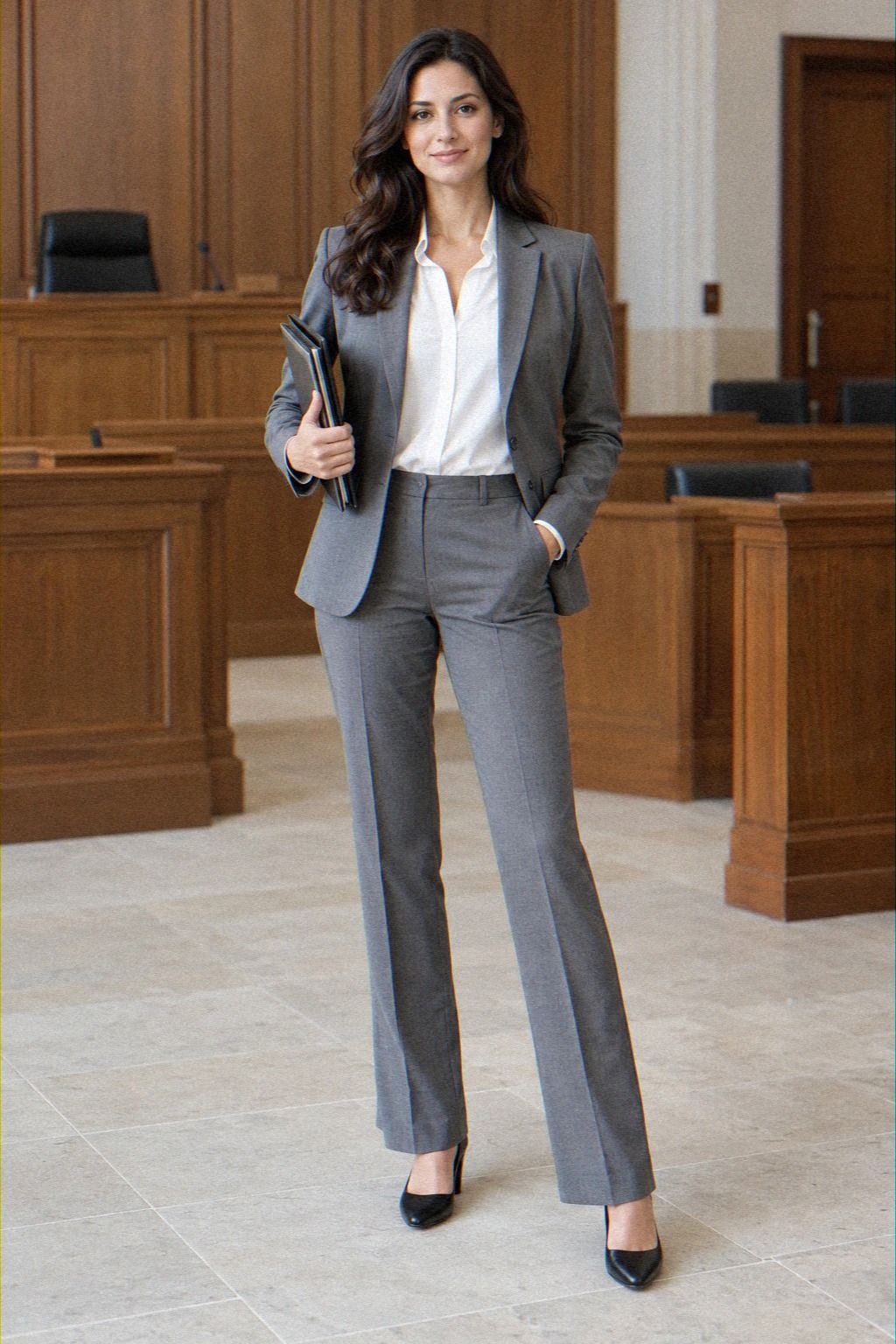
A modest neckline looks most polished when the tailoring around it is precise.
With navy or white tailoring, a walnut-brown belt or loafer can soften the contrast without making the outfit casual. Keep the neckline secure when you bend forward, and choose a blazer that follows the shoulder rather than collapsing around it.
15Check Hemlines Before Your Court Appearance

Before your court appearance, check every hemline while standing, walking, and sitting. Your dress should stay below the knee, your trousers should clear the floor, and your skirt should remain secure when you sit.
Use the Three-Position Hem Test: standing, sitting, and reaching for a document. An emerald wool-blend pencil skirt may look polished upright but ride higher than expected when seated. Cream trousers with a full break may drag over wet pavement.
Don’t wait until the morning to discover a loose hem or missing button. Pack a small sewing kit, a stain-removal wipe, and spare tights if your day will be long. This guide to court outfit guidelines for women offers another useful review.
A final check should make you feel calm, not self-conscious.
What You’ll Need Before You Start
You don’t need fifteen new outfits. Start with one navy blazer, one pair of charcoal or black trousers, one midi dress, one hosiery option, one button-up shirt, one pair of closed-toe flats, and one structured tote.
Useful materials include wool-blend suiting, cotton poplin, matte crepe, ponte, and fine-gauge merino. Choose fabrics that hold their shape, resist obvious wrinkling, and feel comfortable when you’re seated. A lint roller, garment brush, safety pins, and stain wipe can also save time.
Here is a planning table for a court capsule. These are broad shopping bands, not fixed prices, and local costs will vary.
If you’re shopping on a tight budget, spend first on the item that affects fit most. A secondhand blazer plus alterations can offer better value than a new blazer with poor proportions. For more fabric inspiration, compare these linen dress details, then select denser materials for court.
My Rule for Court Clothing
I think the strongest court outfits are built around restraint, not performance. You shouldn’t dress to look powerful in a theatrical way, and you shouldn’t dress so plainly that you feel disconnected from yourself. The useful middle ground is a clear silhouette, quiet color, comfortable shoes, and fabric that behaves when you sit, stand, and move.
I look for clothes that remove small decisions. A navy blazer answers the question of structure. A closed-toe flat answers the question of movement.
A structured tote answers the question of paperwork. Once those decisions are settled, your attention can stay where it belongs.
The most common mistake is confusing conservative with uncomfortable. Tight sleeves, slippery shoes, scratchy wool, and a hem you must keep checking won’t make you look more prepared. They’ll make you think about your clothes throughout the hearing.
Choose matte crepe, smooth cotton, and soft lining wherever you can. Those materials can look polished without demanding constant adjustment. If you do one thing, check the seated fit!
Your clothing also shouldn’t suggest a judgment about the hearing itself. A family court appearance, traffic court visit, arraignment, and remote hearing may need different levels of tailoring, but the same principles hold. Check the court’s instructions, respect local requirements, and let the clothing support a calm presentation.
The Questions I Get Asked Most
What is the best court-appropriate outfit for women at a small court?
A navy blazer, ivory shirt, charcoal trousers, and closed-toe flats are the safest starting point. This combination gives you clear structure without looking theatrical. If you prefer a dress, choose a below-knee matte crepe style with sleeves and add a tailored jacket.
Check the court’s instructions first.
Where can I buy court-appropriate clothing on a budget?
Target, department-store clearance sections, consignment shops, and thrift stores can provide useful basics. I’d look for fabric and fit first, then budget for alterations. These office Christmas party outfits can also provide ideas for adapting pieces you already own.
How much does a court-appropriate outfit cost?
The cost depends on whether you shop secondhand, buy separates, or need tailoring. I’d spend first on the blazer, trousers, or dress that controls the silhouette. A clean secondhand garment plus alterations can provide better value than a new item with poor proportions.
Can I create a court-appropriate outfit on a budget?
Yes, and you can begin with three changes: press your clothes, remove distracting accessories, and pair one structured layer with simple shoes. A navy blazer over a white shirt can make familiar trousers look more formal. Borrow a tote if yours is clean, stable, and large enough for documents.
You can make this work!
Is a court-appropriate outfit worth it for a small courthouse?
Yes, if the outfit helps you move comfortably and meet the court’s expectations. A smaller courthouse may still involve waiting, walking, and sitting close to other people. I’d choose one tailored piece rather than several expensive layers.
The best purchase is the one you’ll reuse beyond a single appearance.
Is a court-appropriate outfit suitable for a remote hearing?
Yes, provided the visible upper half is polished and your court permits business-casual clothing. Wear a button-up shirt, modest shell, cardigan, or blazer. Keep your camera at eye level and check that your neckline and shoulders remain properly positioned while seated.
Where I’d Start First
If I had to pick one step, I’d start with the navy suit. Its matte color stays composed under strong lighting, and its separate pieces give you options for different hearings. Check the fit, press it carefully, and keep the accessories quiet.
If the full suit isn’t in your budget, begin with the blazer. It offers the most styling flexibility and can work with trousers, a midi dress, or a simple skirt. That is where I’d look for the strongest value first.