
What to wear to court as a woman can be simple: choose a tailored layer, opaque coverage, quiet shoes, and polished grooming. You don’t need a new wardrobe or an expensive label. You need clothes that stay in place, suit the setting, and let you focus on the day. Start with pieces you already understand!
- Build a Tailored Blazer Outfit First
- Choose a Knee-Length Dress With Opaque Tights
- Can Neutral Courtroom Attire Still Look Like You?
- Pair Closed-Toe Shoes With a Structured Bag
- Try a Crisp Blouse Beneath a Conservative Cardigan
- How Should You Choose Hemlines for Court?
- Use Court-Appropriate Colors With a Realistic Budget
- Keep Jewelry, Nails, and Accessories Restrained
- Replace Denim Logos and Casual Sneakers
- Why Do Revealing Necklines Distract in Court?
- Add Professional Layers for Temperature Changes
- Keep Hair and Makeup Quiet, Comfortable, and Polished
- Build a Respectful Court Outfit Quickly
1Build a Tailored Blazer Outfit First
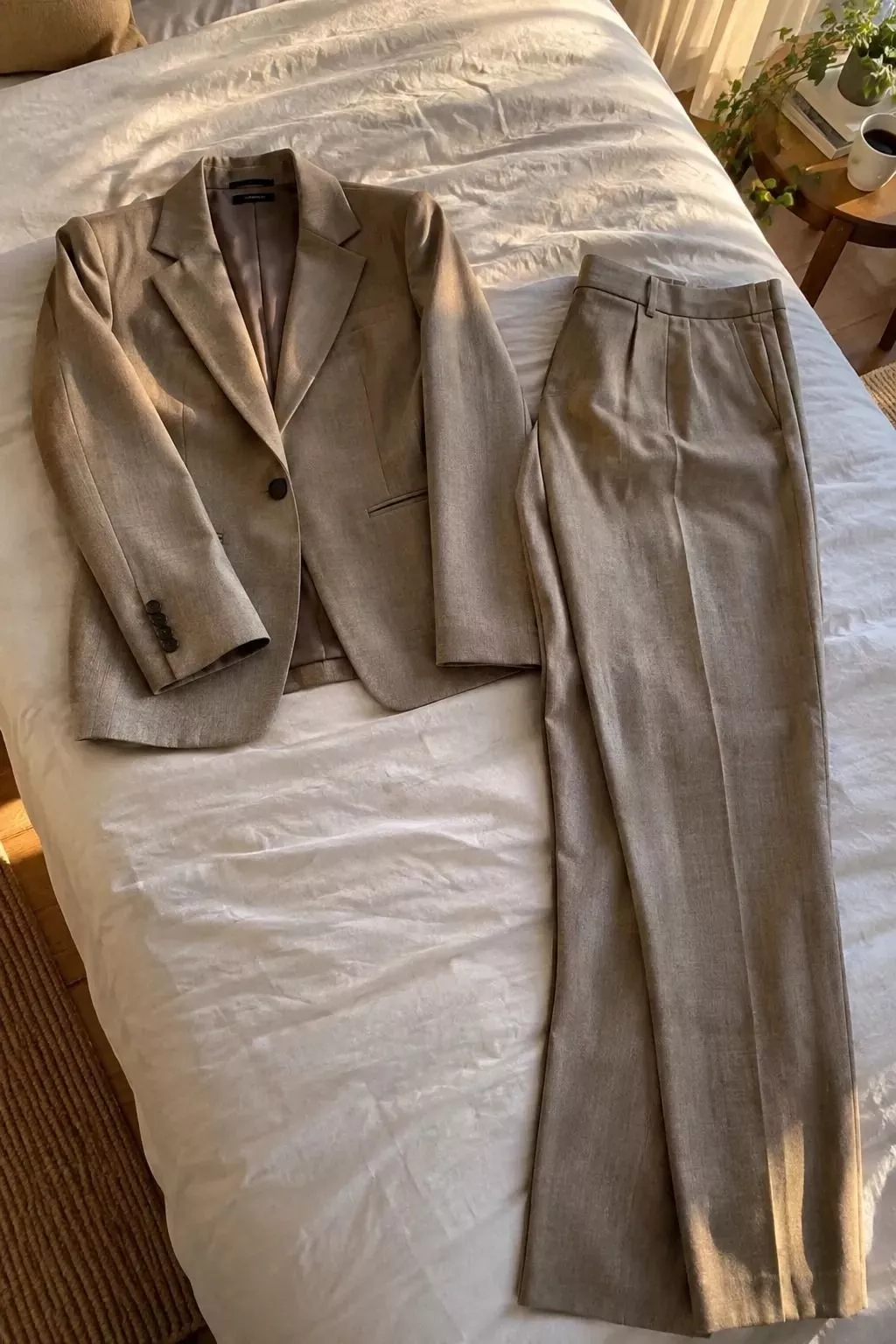
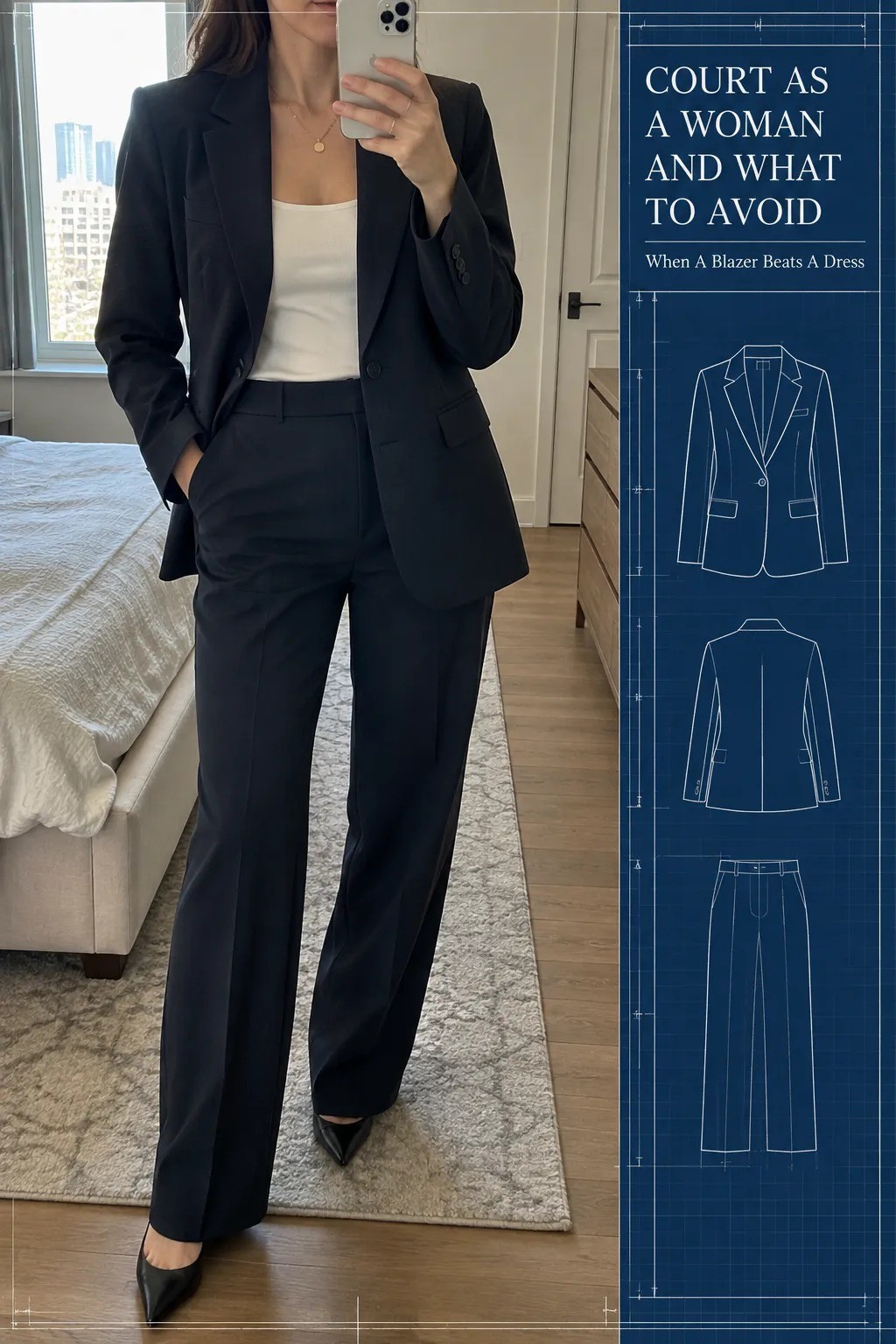
A tailored blazer with straight-leg trousers is the most reliable starting point for courtroom attire. I’d choose a navy wool-blend blazer, a pale blue blouse, straight trousers, and closed shoes. The clean lines look sophisticated, polished, and intentional without feeling severe.
You’ll want the shoulder seam to sit neatly and the trousers to fall cleanly over the shoe. A single-breasted jacket gives you structure without bulky padding.
I’d avoid a cropped jacket with very high-waisted trousers if the result feels more evening than professional. You can still show personality through a muted color, a refined watch, or a textured blouse.
If you’re building a small wardrobe, begin here. One blazer can work with trousers, a knee-length skirt, and a simple dress.
That makes the real cost easier to manage because you’re buying a repeatable piece rather than a one-day outfit. You can compare the idea with these wardrobe staples for women over 50.
2Choose a Knee-Length Dress With Opaque Tights
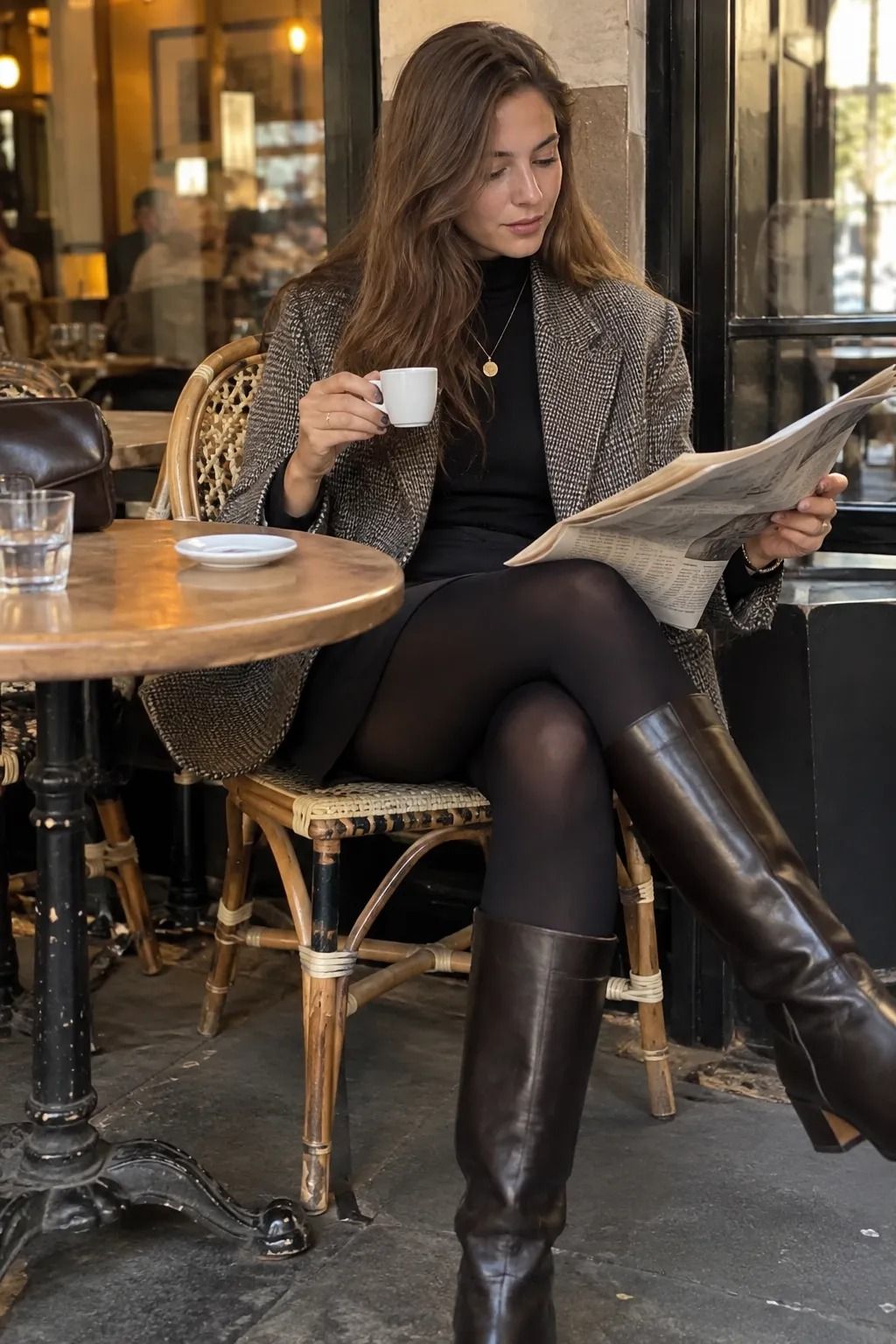
A knee-length dress with opaque tights works when you want one polished piece instead of separate trousers and a blouse. I’d look for a matte navy ponte dress, a high or moderate neckline, and fabric that keeps its shape while you sit and stand.
You don’t need a complicated pattern. Charcoal, deep blue, muted taupe, and soft brown all look calm without becoming dull.
Your hem should let you climb stairs, sit comfortably, and walk without constant adjustment. If you’re pulling the dress down every few minutes, it isn’t helping you.
I’d skip thin jersey that clings, twists, or wrinkles around the waist. A stable fabric usually offers better value than a delicate dress that requires special care. You can add a structured cardigan or single-breasted blazer if the courtroom feels cool.
If you’re unsure about proportion, the restrained approach in this guide to fashion mistakes that can add years to an outfit can help you compare coverage, fit, and visual weight.
3Can Neutral Courtroom Attire Still Look Like You?
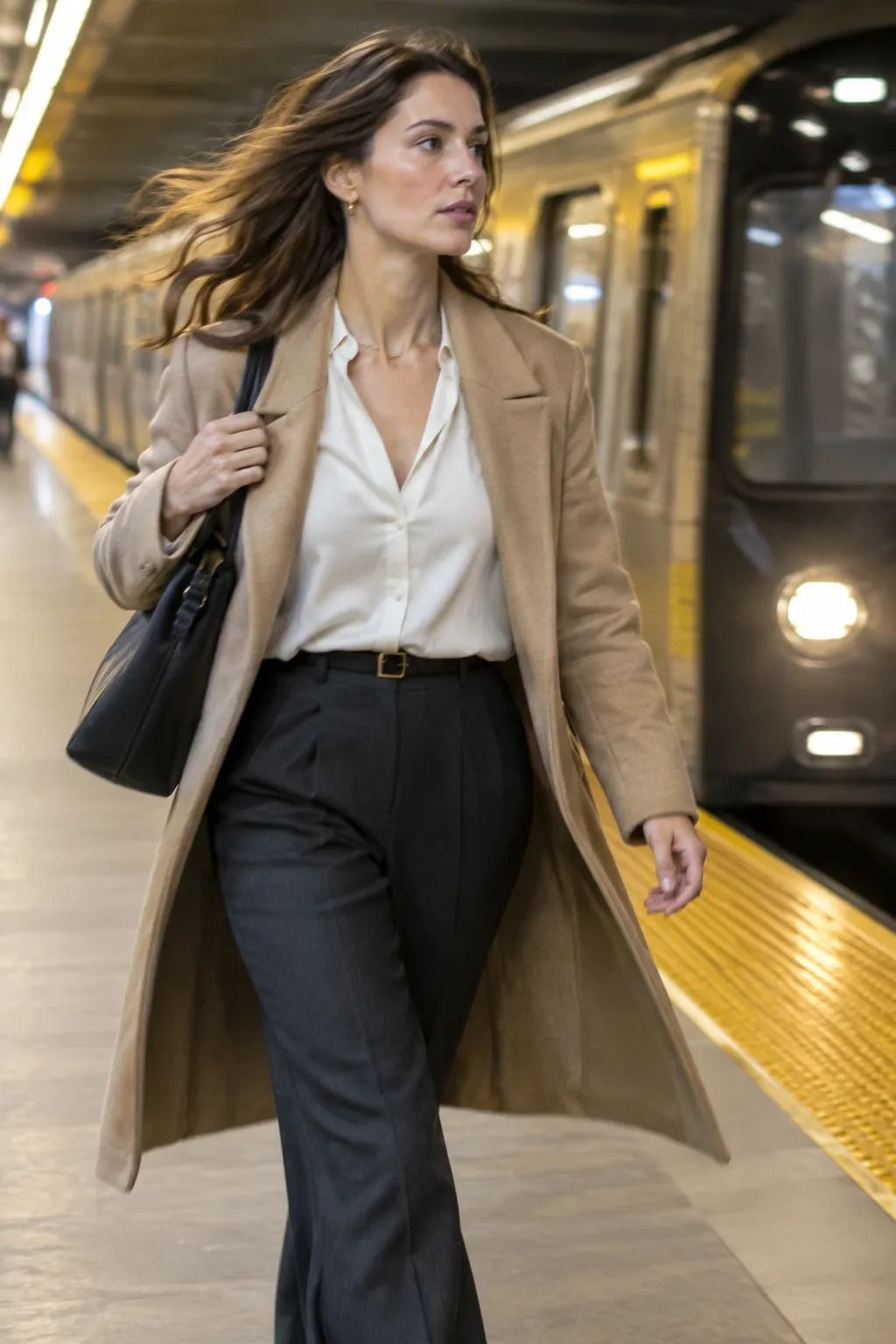
Neutral courtroom attire doesn’t have to mean lifeless beige. You can wear a color you genuinely like, as long as the silhouette remains composed and the shade doesn’t become the loudest part of the outfit.
I like navy, charcoal, cream, muted blue, and olive green because they mix easily. You might prefer burgundy, cocoa, or a softened plum. The useful rule is simple: choose one dominant color, one supporting neutral, and perhaps one small accent.
Your clothes should feel confident, refined, and understated, not theatrical. A colored blouse under a dark blazer gives you presence without requiring dramatic jewelry. A quiet scarf can work too, but you’ll want to test whether it shifts or needs repeated arranging.
If you’re worried about looking dated, compare your outfit with these cleaner alternatives to common fashion mistakes. The goal isn’t to erase your style. It’s to edit the pieces that compete with the setting.
4Pair Closed-Toe Shoes With a Structured Bag
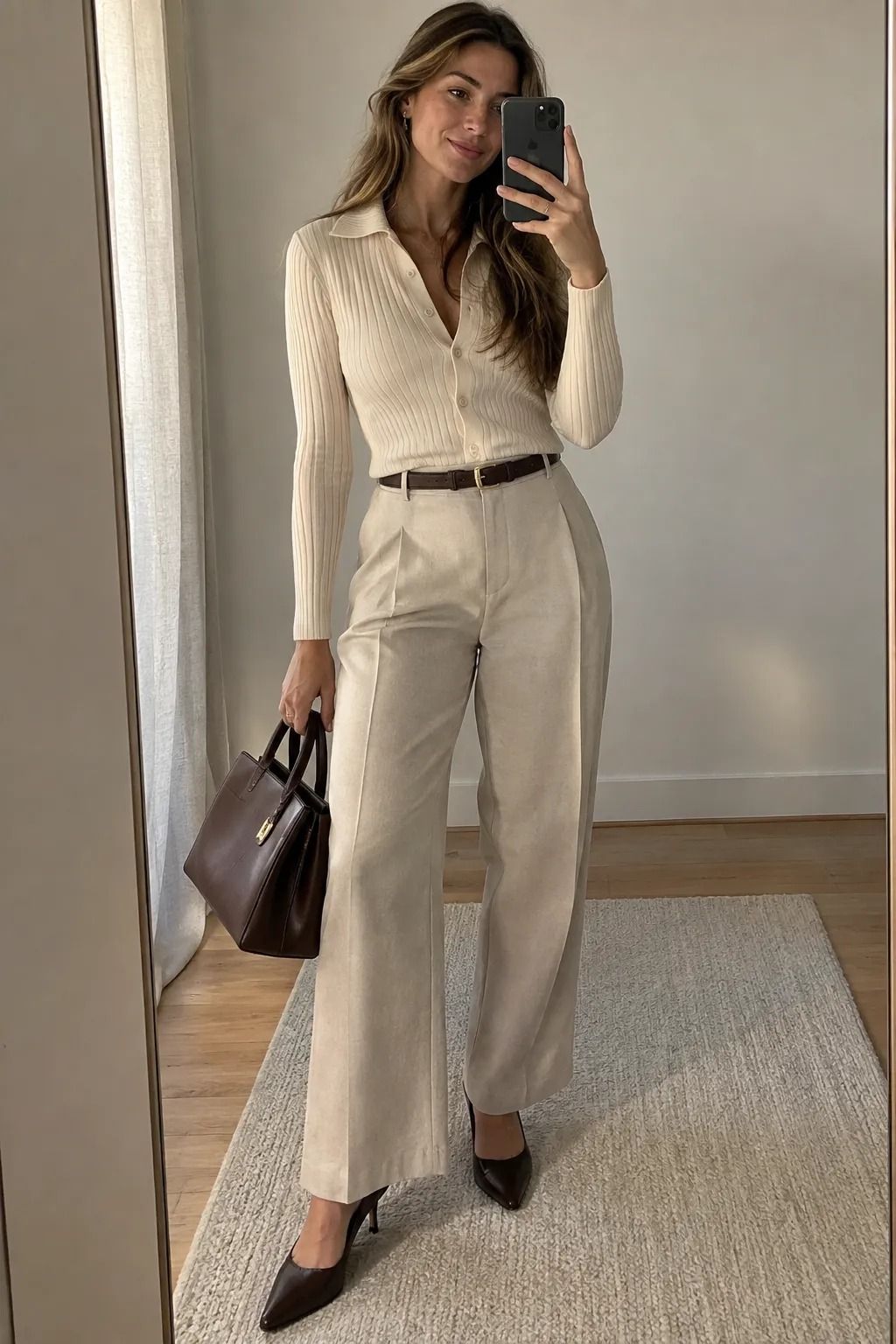
Closed-toe shoes and a structured handbag give a court outfit a finished edge without requiring a large wardrobe. I’d choose a black leather pump, polished flat, or low block heel with a stable sole.
A modest heel isn’t mandatory. What matters is that you can walk naturally and quietly.
A firm rectangular bag or clean leather satchel gives your outfit a professional, organized, and dependable finish. You’ll want enough room for documents, a phone, keys, and a small amount of personal care. Check the clasp, handles, lining, and interior pockets before court day.
You don’t need an expensive designer bag. A well-kept secondhand satchel can offer excellent value if the shape remains firm and the hardware works. Your budget is better spent on condition and usefulness than on a recognizable logo.
I’d remove loose cosmetics, noisy key rings, crinkly packaging, and anything that makes the bag difficult to close. These fashion mistakes and practical swaps also cover the small finishing decisions that can change how polished an outfit feels!
5Try a Crisp Blouse Beneath a Conservative Cardigan
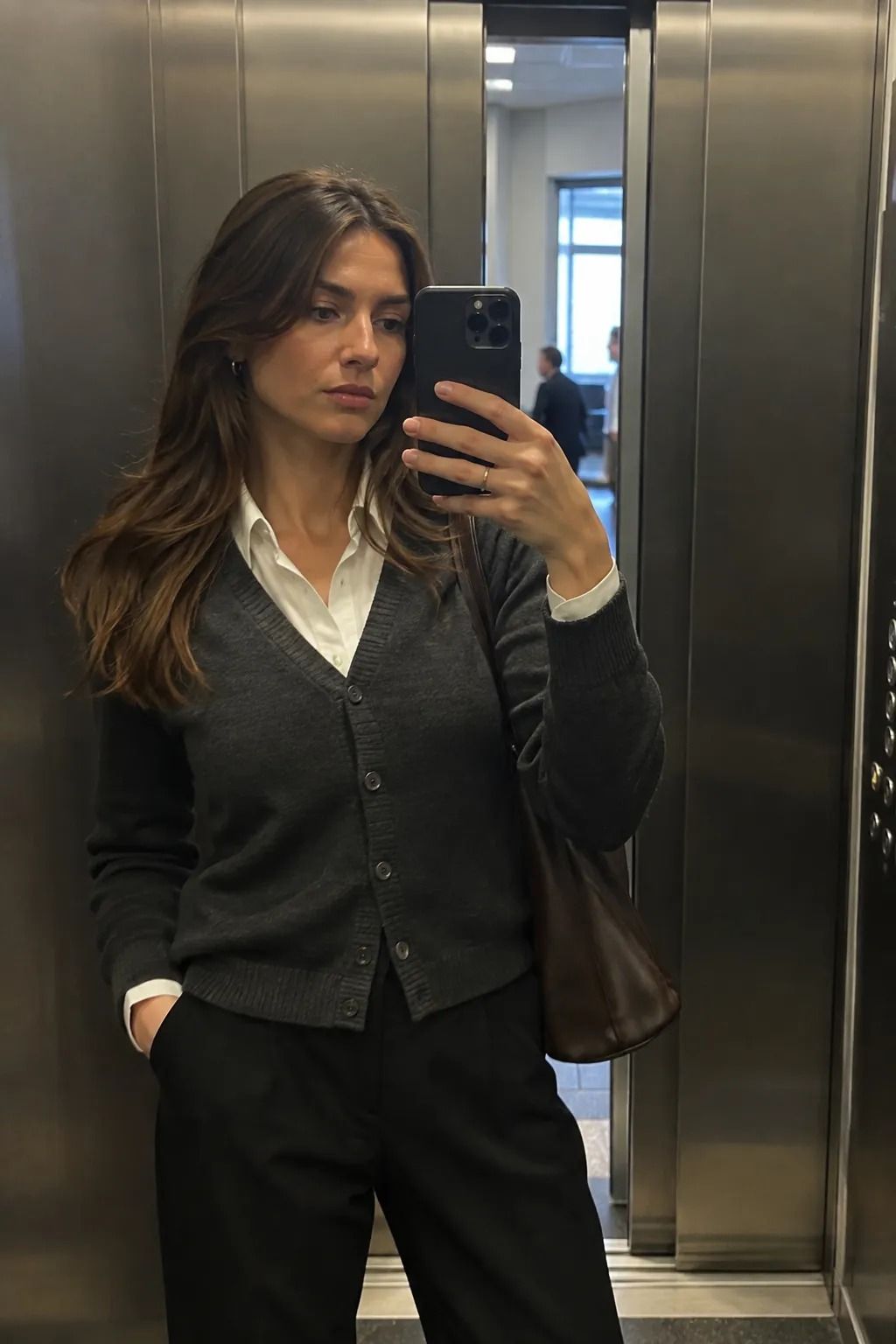
A crisp blouse beneath a conservative cardigan is useful when a blazer feels too formal or the building is cool.
6How Should You Choose Hemlines for Court?
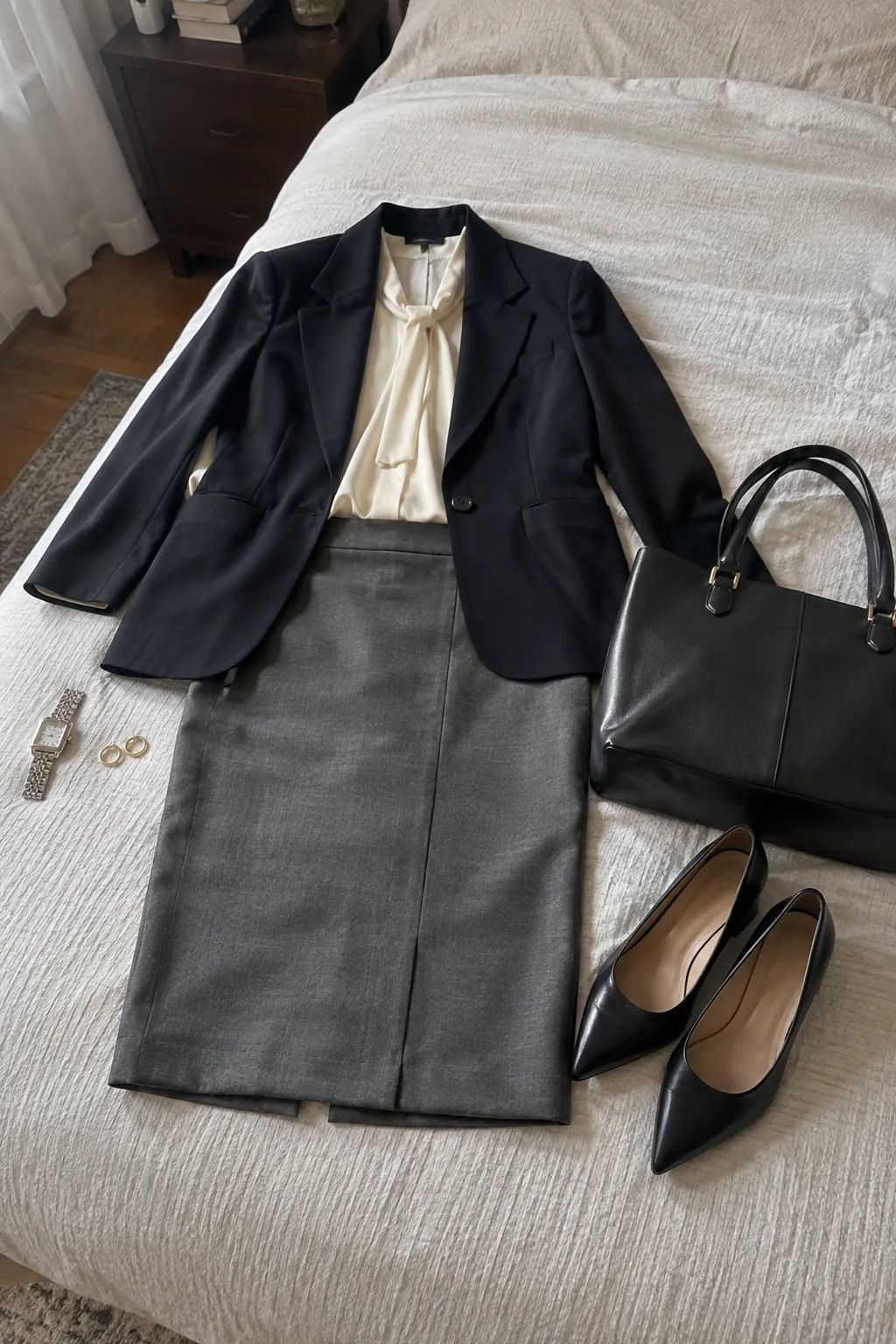
Choosing hemlines for professional court appearances is less about one magic length and more about movement. You’ll want a skirt or dress that stays in place when you sit, stand, climb stairs, and walk across a lobby.
A knee-length pencil skirt can work when it has enough walking ease. A midi skirt in matte wool crepe can also look elegant, modern, and composed, but a very full shape may read as occasionwear. Straight trousers are often the simplest choice if you don’t want to think about your hem.
I’d sit down in the outfit before court day. Check whether the skirt rides up, whether the dress pulls across the thighs, and whether the trousers expose too much ankle when you sit. You’ll learn more from that test than from a standing mirror.
Avoid anything so short that you’re thinking about it during a hearing. You don’t need to hide your shape or choose shapeless clothing.
A clean fit can look graceful, confident, and respectful. You can find additional proportion ideas in these wardrobe suggestions for women over 50.
7Use Court-Appropriate Colors With a Realistic Budget
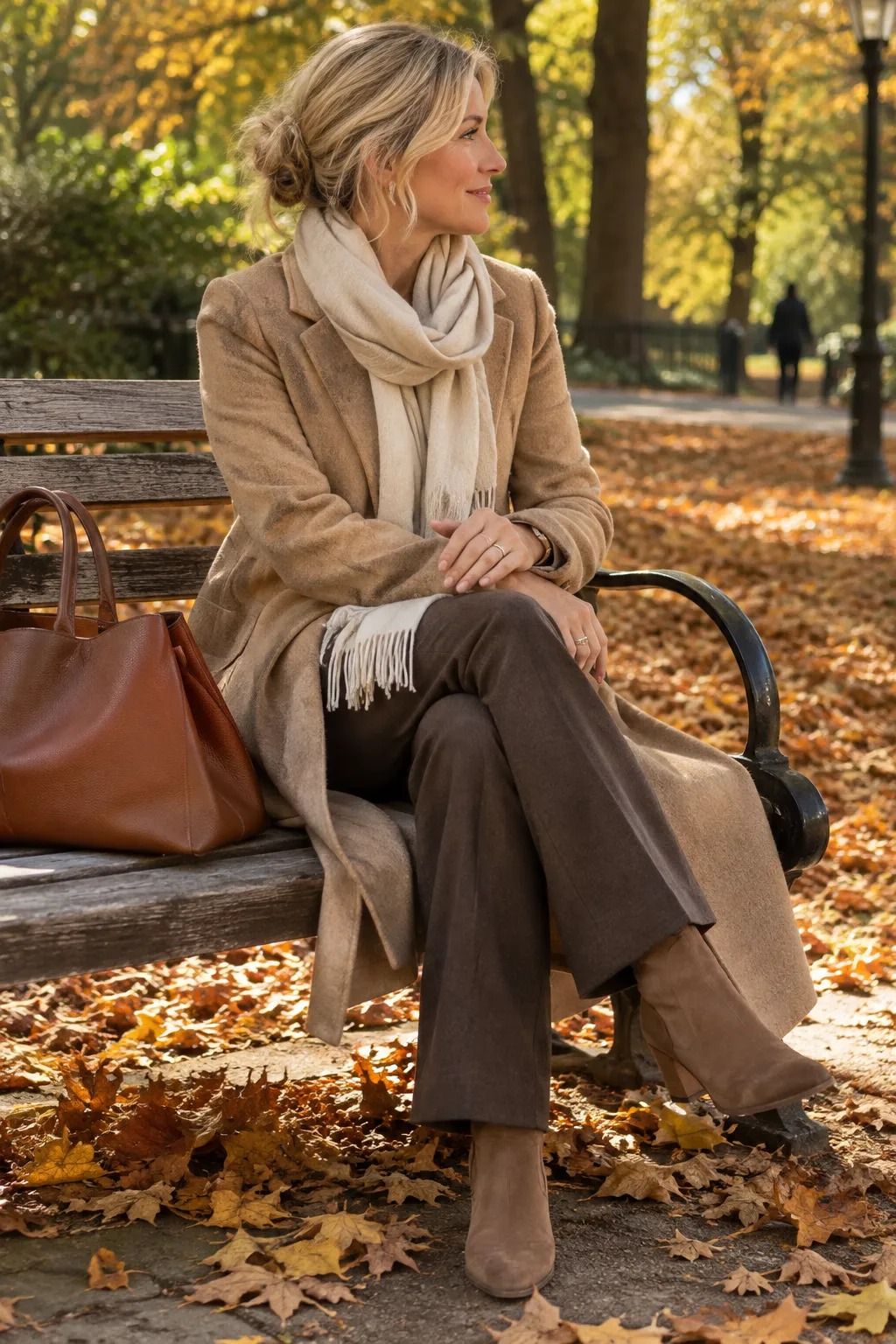
Court-appropriate colors include navy, charcoal, cream, muted blue, soft brown, and restrained green.
8Keep Jewelry, Nails, and Accessories Restrained
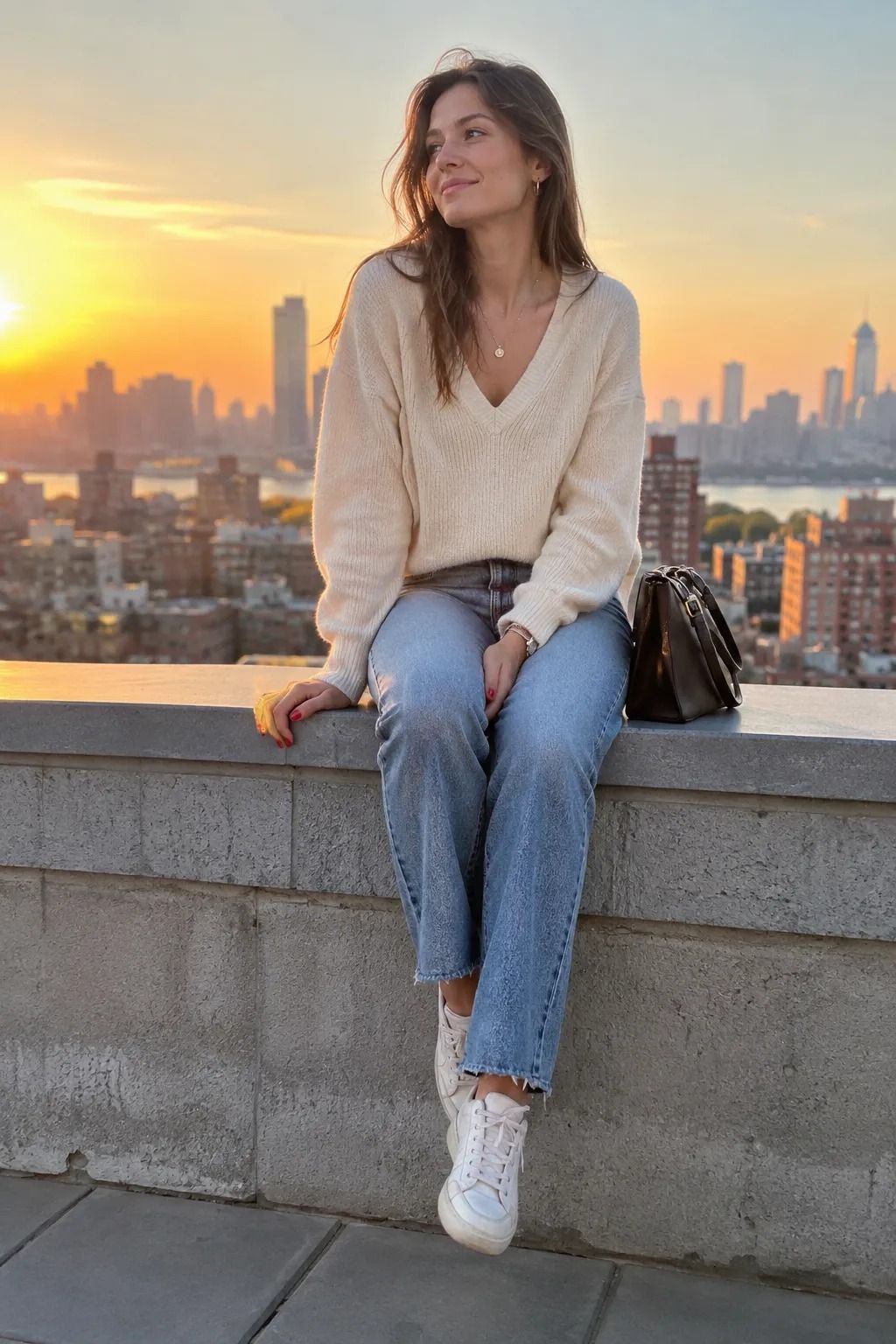
Polished nails and restrained accessories can make the whole outfit look cared for without becoming the focus. I’d choose small gold hoops, a simple silver watch, or one delicate pendant. You can wear jewelry, but you don’t need every favorite piece at once.
For nails, a short rounded or softly squared shape is practical. A sheer pink, cream, muted taupe, or short French tip looks neat without drawing attention.
A glossy finish can look fresh, while a matte finish feels more understated. You can create a polished manicure at home without booking a salon appointment.
I’d avoid very long extensions, loose charms, noisy bracelets, and oversized rings that catch on paperwork. The issue isn’t whether accessories are feminine or expressive. The issue is whether you’ll keep touching, fixing, or monitoring them.
Your hands may be visible when you hold documents or rest them on a table. Clean, short nails and moisturized hands are enough. You don’t need a complicated design, and you don’t need to spend heavily to look tidy, elegant, and prepared.
9Replace Denim Logos and Casual Sneakers
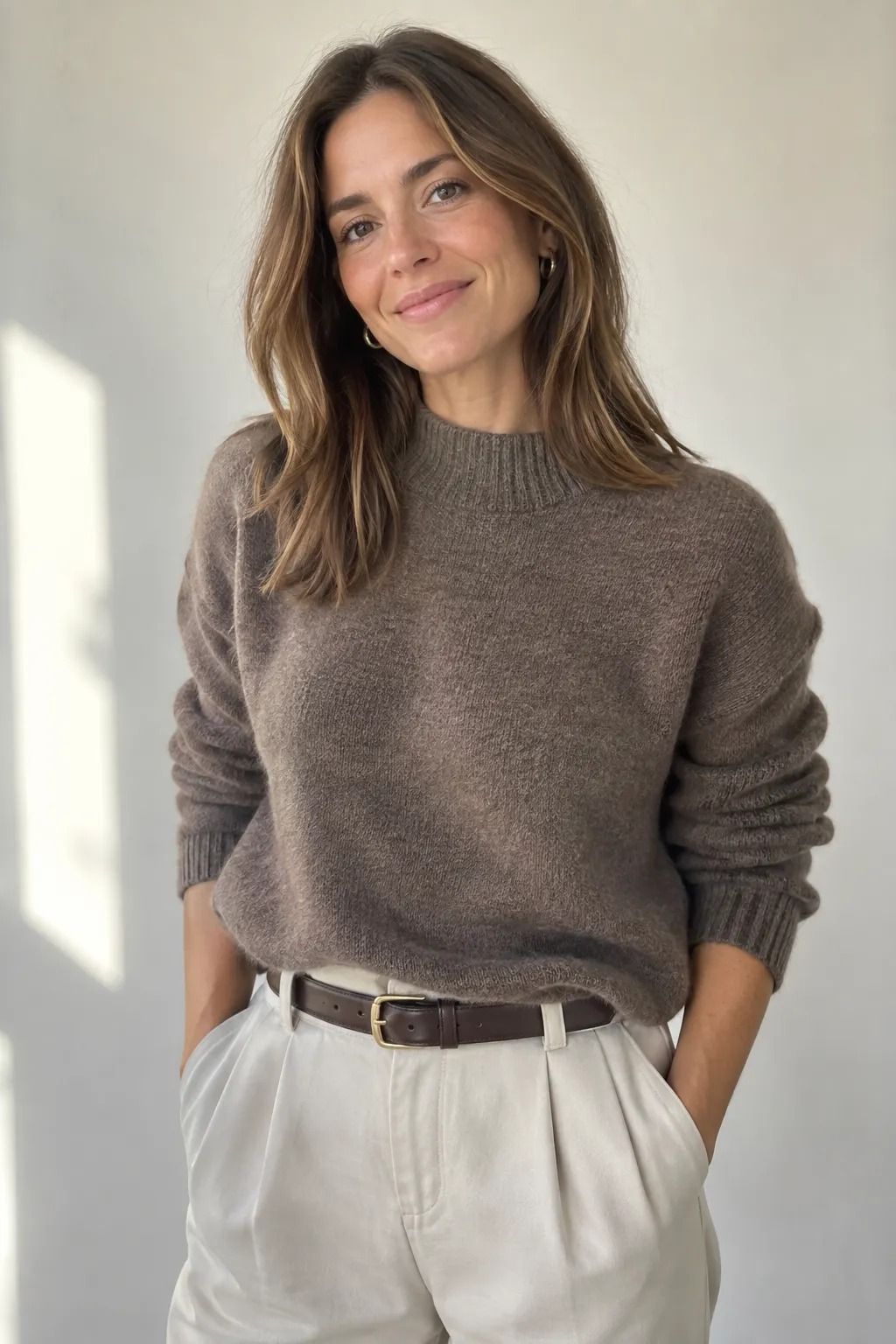
Avoiding denim logos and casual sneakers is useful when you’re deciding what to wear to court.
10Why Do Revealing Necklines Distract in Court?
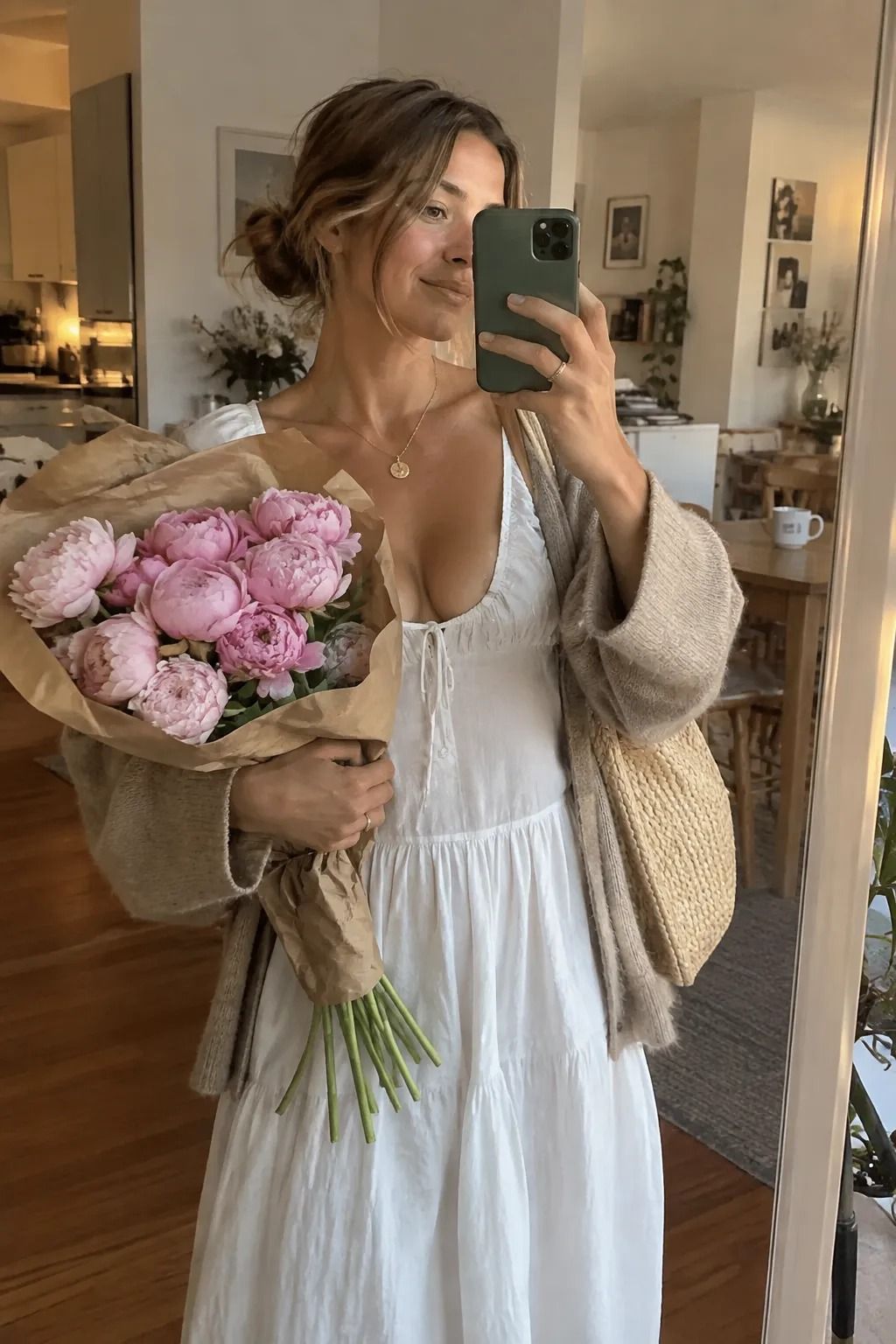
Revealing necklines can distract in court because you may spend the day adjusting them instead of focusing on the proceeding. A neckline doesn’t need to be severe, but it should remain stable when you sit, lean forward, and reach for a folder.
A modest V-neck can work when it doesn’t gape. A crew neck, band collar, or small lapel may feel more secure.
A silk crepe shell under a blazer gives you a smooth line without extra fabric. You can also use a discreet camisole if it improves coverage and comfort.
I’d skip deep wrap tops, loose camisoles, and thin fabrics that become transparent under bright light. Before you leave, sit in the outfit and lean forward. If you need to pull the neckline into place, choose another top.
Modesty doesn’t mean hiding your shape or selecting oversized clothing. A fitted but comfortable blouse can look smart, balanced, and self-assured.
What makes an outfit distracting is often the repeated adjustment, not the price or color. For additional examples, read these practical swaps for distracting fashion choices.
11Add Professional Layers for Temperature Changes
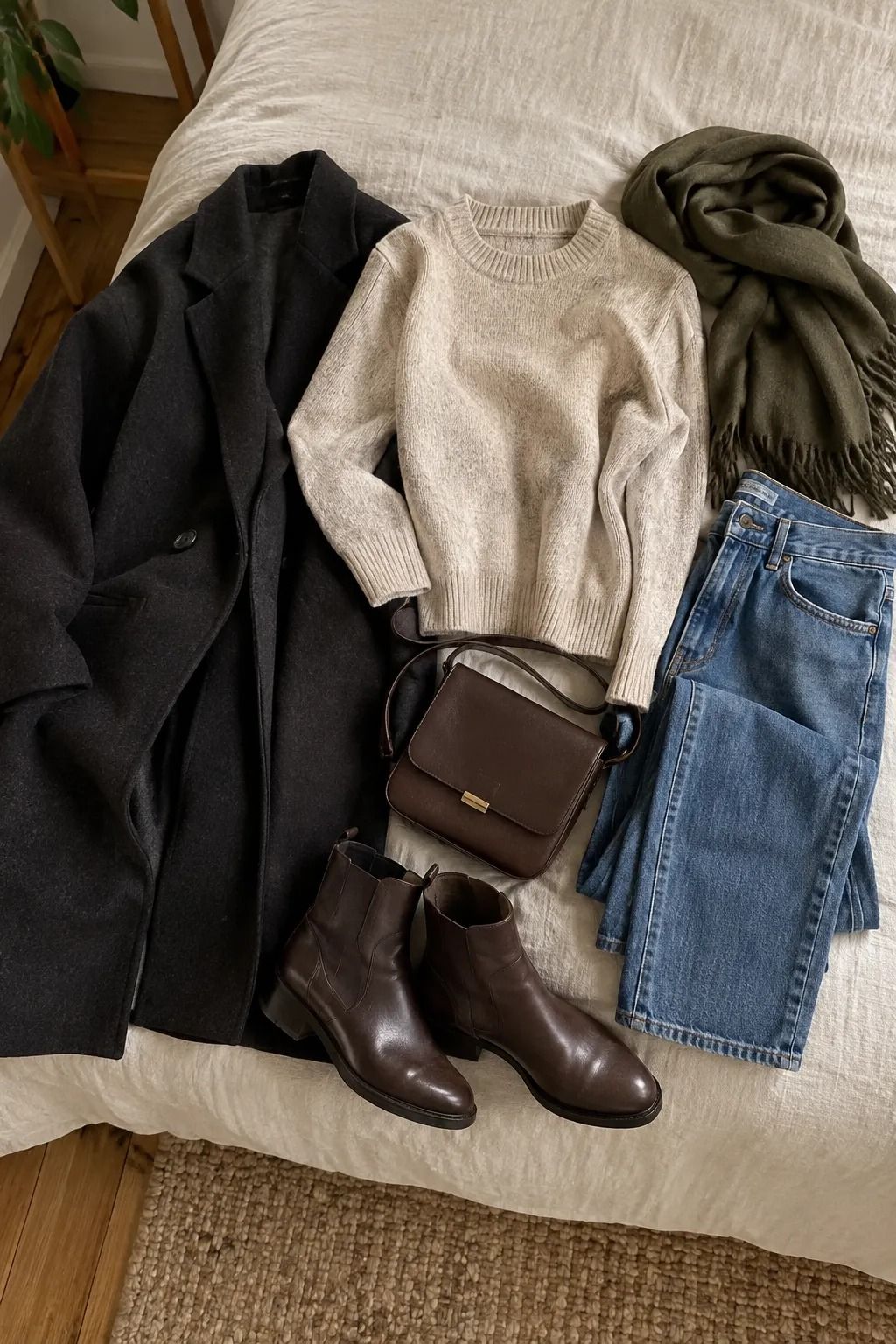
Professional layers help when the courtroom, hallway, train, and outdoor entrance all feel different. I’d combine a fine merino cardigan, crisp blouse, straight trousers, and lightweight coat. Each layer should work independently, so you can remove one without making the outfit look incomplete.
Thin knits usually stack more smoothly than thick sweaters under a fitted jacket. You’ll want one layer that is easy to remove and easy to carry. A compact cashmere-blend wrap can be useful, but it should stay controlled rather than trail around your shoulders.
I’d skip noisy nylon, oversized scarves, bulky sleeves, and coats that pull across the blazer. Check whether your bag can hold the cardigan after you remove it. Check whether the coat closes without flattening the collar or stretching the buttons.
The cost of a versatile layer is easier to justify when you can wear it to work, appointments, interviews, and travel. You’re buying flexibility, not a costume for one appearance. That’s where practical, versatile, and timeless pieces earn their place.
12Keep Hair and Makeup Quiet, Comfortable, and Polished

Hair and makeup for court appearances should look tidy, comfortable, and quiet. You don’t need a dramatic transformation. You need a routine that won’t distract you or require constant checking.
I’d choose a hairstyle that stays away from your eyes and doesn’t need repeated brushing. A low bun, smooth ponytail, controlled waves, or a simple short style can all work. You’ll want to test clips, pins, and elastics before the day so you know what stays comfortable.
For makeup, you can keep the focus on even-looking skin, defined brows, and a muted lip. Rose, soft berry, neutral pink, and warm beige shades are generally easy to coordinate with navy, gray, and cream. If you wear fragrance, keep it minimal or skip it.
Your grooming should support the outfit rather than compete with it. I’d avoid glitter, very glossy lips, dramatic false lashes, and anything that makes you feel unlike yourself. A fresh, natural, composed finish is enough.
You should feel recognizable, not disguised!
13Build a Respectful Court Outfit Quickly
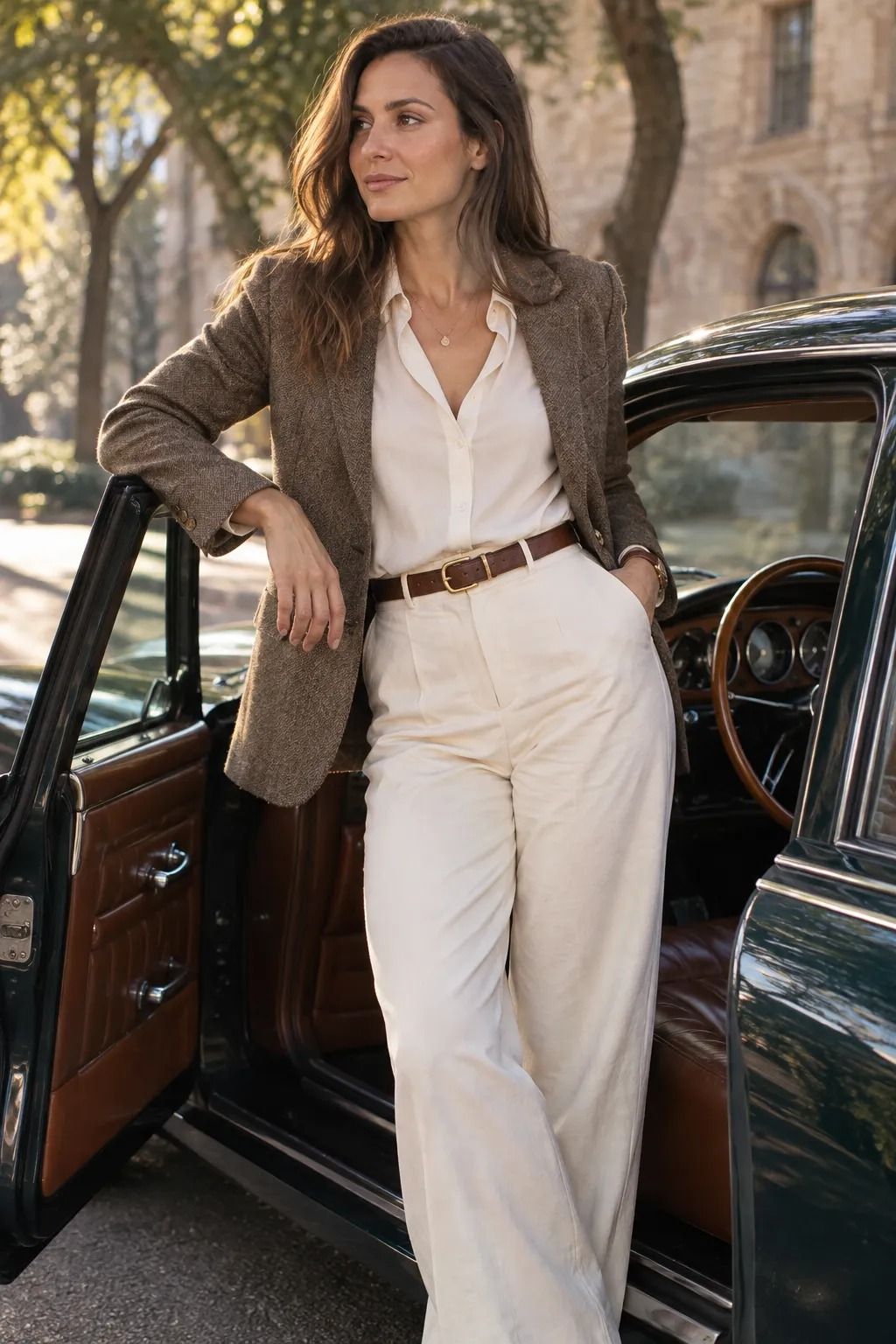
Building a respectful court outfit quickly starts with one dependable base: straight trousers, a modest blouse, a structured layer, and closed shoes. You can use the same formula with a knee-length dress and cardigan if that feels easier.
Use this order when you’re short on time: choose the bottom first, add the quietest top, place the blazer or cardigan over it, then check your shoes and bag. You don’t need to create a new personality for court. You need a clear silhouette and clothes that stay in place.
Before leaving, sit down, walk across the room, raise your arms, and check the neckline. Remove anything that pinches, slips, jingles, or needs constant attention. You’ll feel calmer when you’ve tested the outfit rather than simply admired it in a mirror.
If you’re still uncertain, compare the outfit with these fashion mistakes and cleaner alternatives. Respectful clothing can still be modern, comfortable, and distinctly yours.
The Courtroom Standard I Trust
I don’t think court clothing should make a woman disappear. That advice can go too far, turning “respectful” into shapeless, colorless, and uncomfortable. My preferred standard is clearer: your outfit should show that you understood the setting, prepared for the day, and chose clothes that won’t compete with what’s being said.
I’d begin with structure. A blazer, straight trouser, or stable dress gives the eye a clean line.
Then I’d add softness through fabric rather than decoration, perhaps washed wool, matte crepe, or a fine merino knit. That combination feels warm, refined, and quietly confident without becoming romantic or casual.
The part I’m strict about is movement. If you’re tugging a hem, fixing a neckline, pushing hair away, or listening to shoes click too loudly, the outfit has become a problem.
A court appearance already carries enough mental weight. Your clothing should give you one less thing to manage.
I also think the best outfit is the one you can repeat. If your blazer works with three trousers, your shoes work with two dresses, and your bag holds your papers, you’ve built a reliable system.
You won’t need to shop under pressure or chase a dramatic look. You’ll know what works, and that confidence reads as polished.
The Questions Worth Answering First
What is the best outfit to wear to court as a woman?
A tailored blazer with straight-leg trousers is the most reliable choice. It gives you clean coverage, easy movement, and a professional silhouette without looking severe. Navy, charcoal, cream, and muted blue are strong starting colors.
A modest dress with opaque tights is another practical option.
Where can I buy courtroom pieces on a budget?
Look at secondhand stores, local consignment shops, Uniqlo, Target, Banana Republic, or department-store sale sections for structured basics. You can also borrow a handbag or blazer if the fit is right. Spend first on the piece that improves the whole outfit, usually a layer or pair of shoes.
How much does a courtroom outfit cost?
A basic refresh can stay around $115 to $500, depending on what you already own. You may spend less by pressing existing clothes, buying secondhand, and choosing one versatile blazer. I’d prioritize fit, clean condition, and repeat wear over labels or seasonal trends.
Can I create a courtroom outfit on a budget?
Yes. Start with one neutral bottom, one modest top, one structured layer, and closed shoes. Remove loud accessories, repair small issues, and use a clean handbag.
You can create polished value without buying a complete wardrobe, especially if the pieces coordinate.
Are polished nails appropriate for court?
Yes, as long as the manicure remains restrained. Short rounded or softly squared nails with cream, sheer pink, muted taupe, or a fine French tip can look neat. Avoid very long extensions, loose decorations, or designs you’ll keep checking during the day.
What should I avoid wearing to court?
Avoid clothing that is visibly distressed, excessively revealing, heavily branded, noisy, or difficult to manage. Ripped denim, casual sneakers, deep necklines, sheer fabric, oversized logos, and jangling jewelry may distract from an otherwise careful outfit. You can find more examples in these fashion alternatives that look fresher.
Where I’d Start First
If I had to pick one, I’d start with the tailored blazer and straight-leg trousers. The clean shoulder line keeps every other piece in place, so you won’t need a loud color or delicate accessory to look prepared.
Check the fit while sitting, choose quiet shoes, and save the outfit formula before your next court appearance. You’ve got this!