
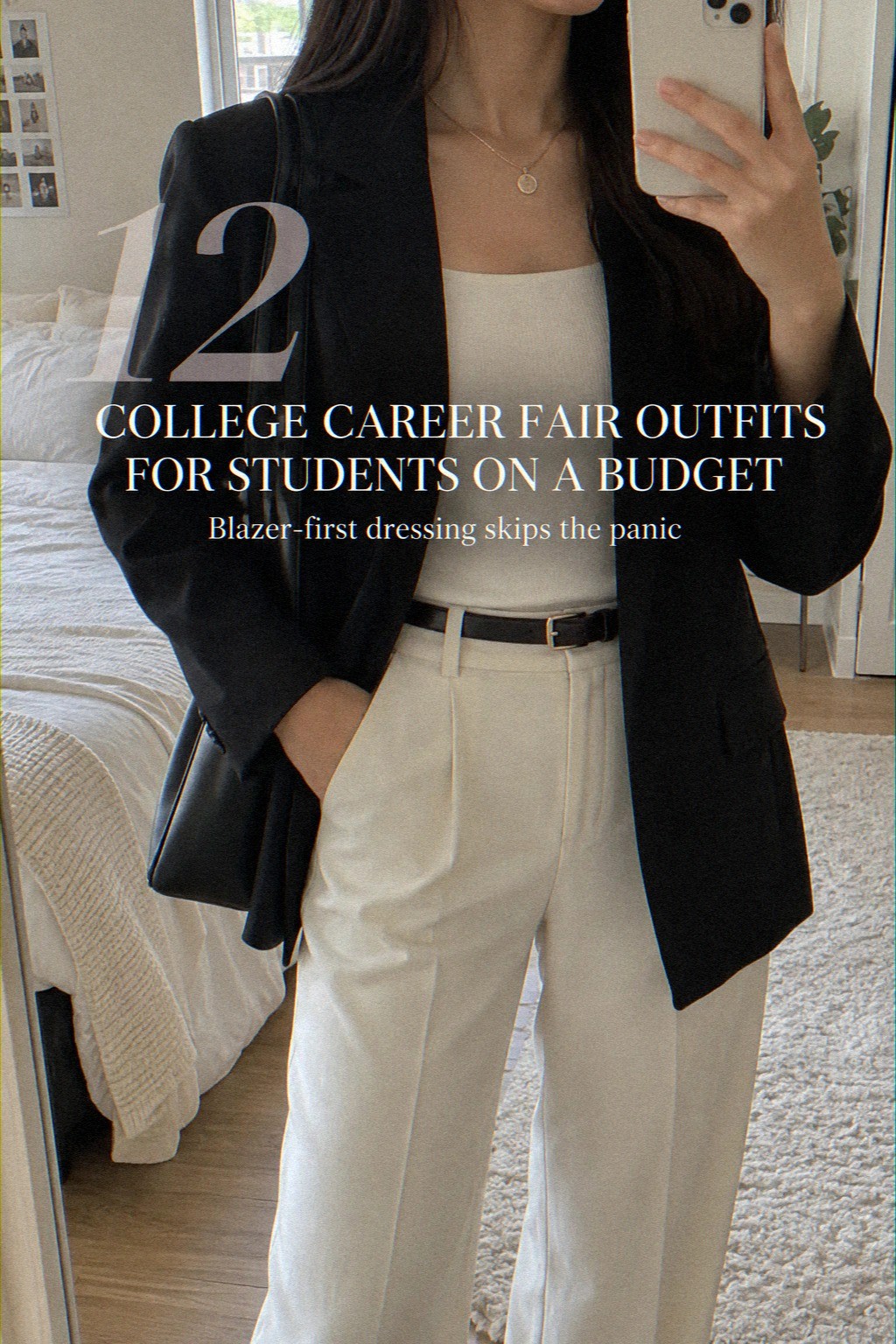
The short answer: you can build a polished college career fair outfit with pieces you already own plus one smart layer, usually within about $100 to $300. It’s easy to mistake “professional” for “expensive.” You don’t need a perfect suit. You need clean contrast, comfortable movement, and a silhouette that looks intentional. That’s the win.
- Build the Blazer and Dark Jeans Outfit: The Contrast Anchor Rule
- Can a Thrifted Suit Look Interview-Ready?
- Use Straight-Leg Trousers and a Knit Top to Build a Clean Line
- Monochrome Career Fair Dressing: Black, Navy, or Both?
- Rotate One Button-Down Three Ways: The Oxford Shirt Method
- Soft Tailoring vs. Stiff Formalwear: The Polo-and-Blazer Rule
- What Makes a Midi Skirt Work at a Career Fair?
- Start with a Simple Dress and Add a Secondhand Jacket
- Wide-Leg Trousers vs. Volume Overload: Test the Balance
- The Campus Tie Test: Let a Statement Tie Lead
- Walk Further in Polished Flats for a Long Career Fair Day
- Finish Thrifted Outfits with Three Minimal Accessories
1Build the Blazer and Dark Jeans Outfit: The Contrast Anchor Rule
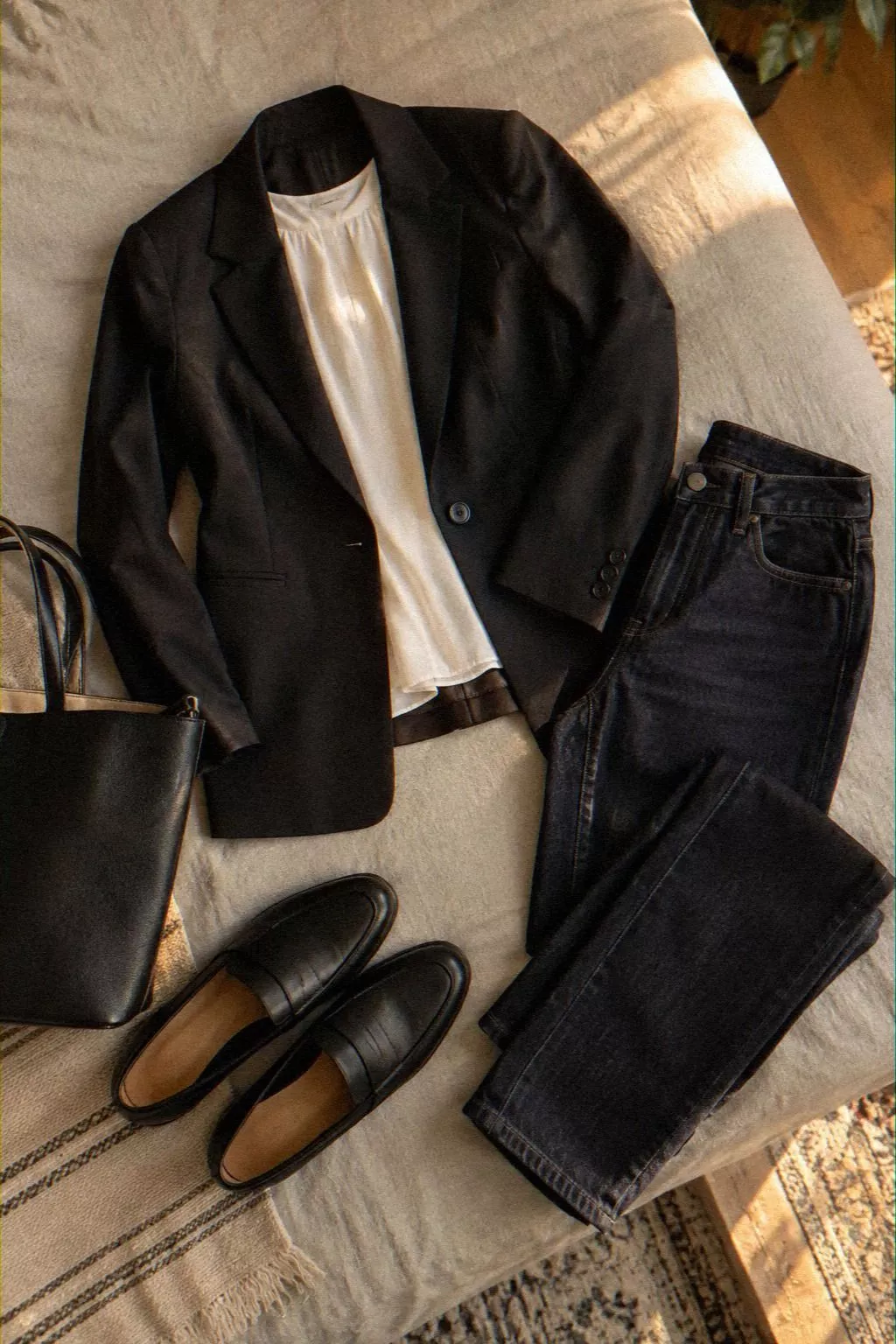
A blazer with dark jeans works when the contrast is crisp. Choose a terracotta blazer, stone blazer, or softly structured olive version with a clean shoulder and sleeves that end near your wrist bone.
Pair it with dark, uniform denim and a warm cream cotton poplin shirt. Your outfit should read polished from several steps away, while the jeans keep the look approachable and student-friendly.
Keep the accessories restrained. A stone belt, simple watch, and polished loafers will do more for your look than several decorative pieces.
I’d skip distressed denim, cropped hems, and bright sneakers because they pull attention away from your face. If you’re unsure about the dress level, this career fair guide about what recruiters notice gives you a useful comparison point.
Check your movement before leaving. Sit, reach for a résumé, and walk naturally.
If your blazer pulls across your back, you’ll spend the whole fair adjusting it instead of talking. A clean shoulder seam is a small detail with a surprisingly confident effect.
For a more affordable version, look for a jacket at a thrift store and compare its proportions with this guide to shopping for secondhand blazers that fit. A good dark denim wash can make the whole outfit feel sharper without making it formal.
2Can a Thrifted Suit Look Interview-Ready?
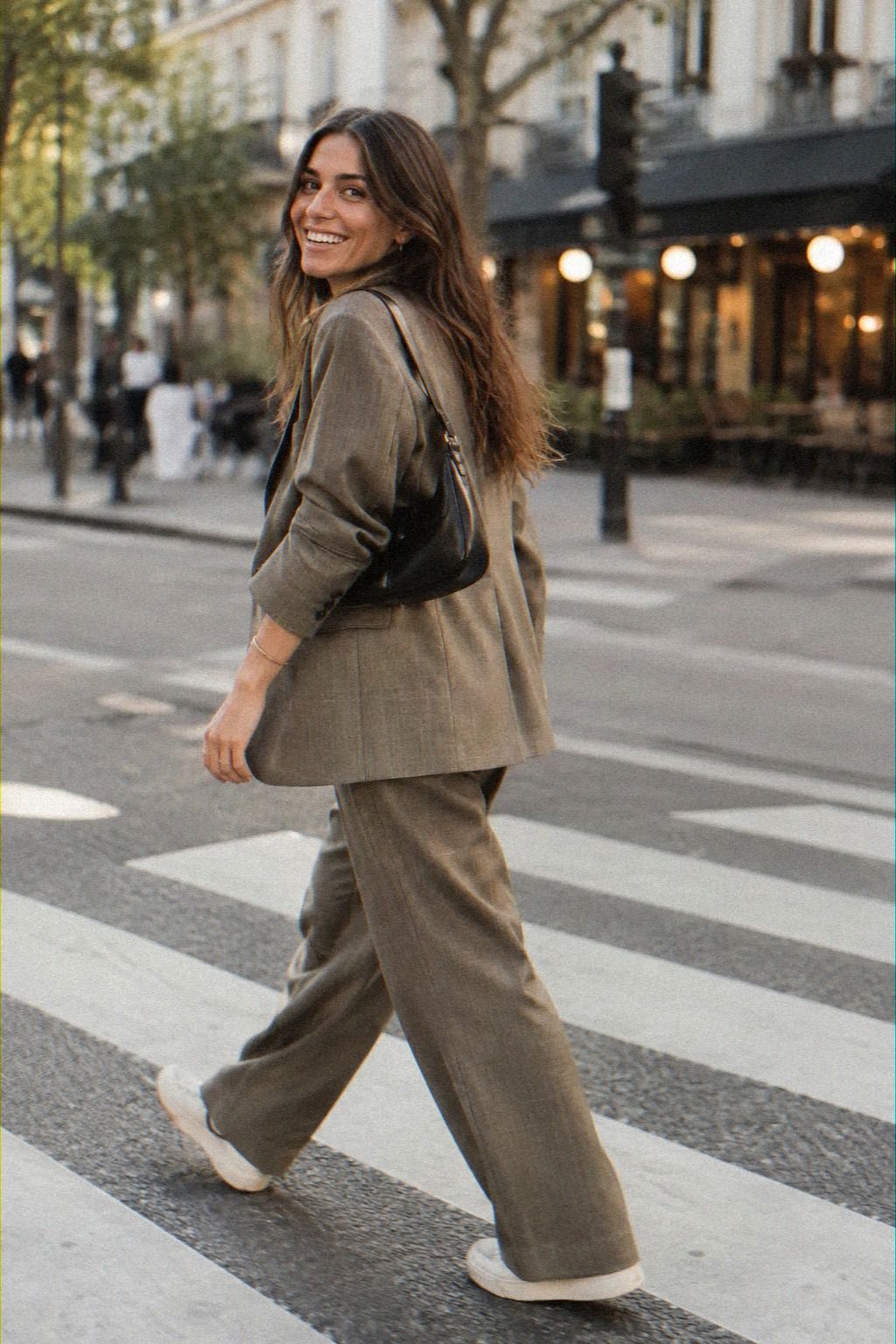
A thrifted suit can look refined when the fit is close and the accessories are quiet. A clay, taupe, or muted neutral suit with linen texture and one aged-brass accessory can feel polished without looking overly matched.
3Use Straight-Leg Trousers and a Knit Top to Build a Clean Line
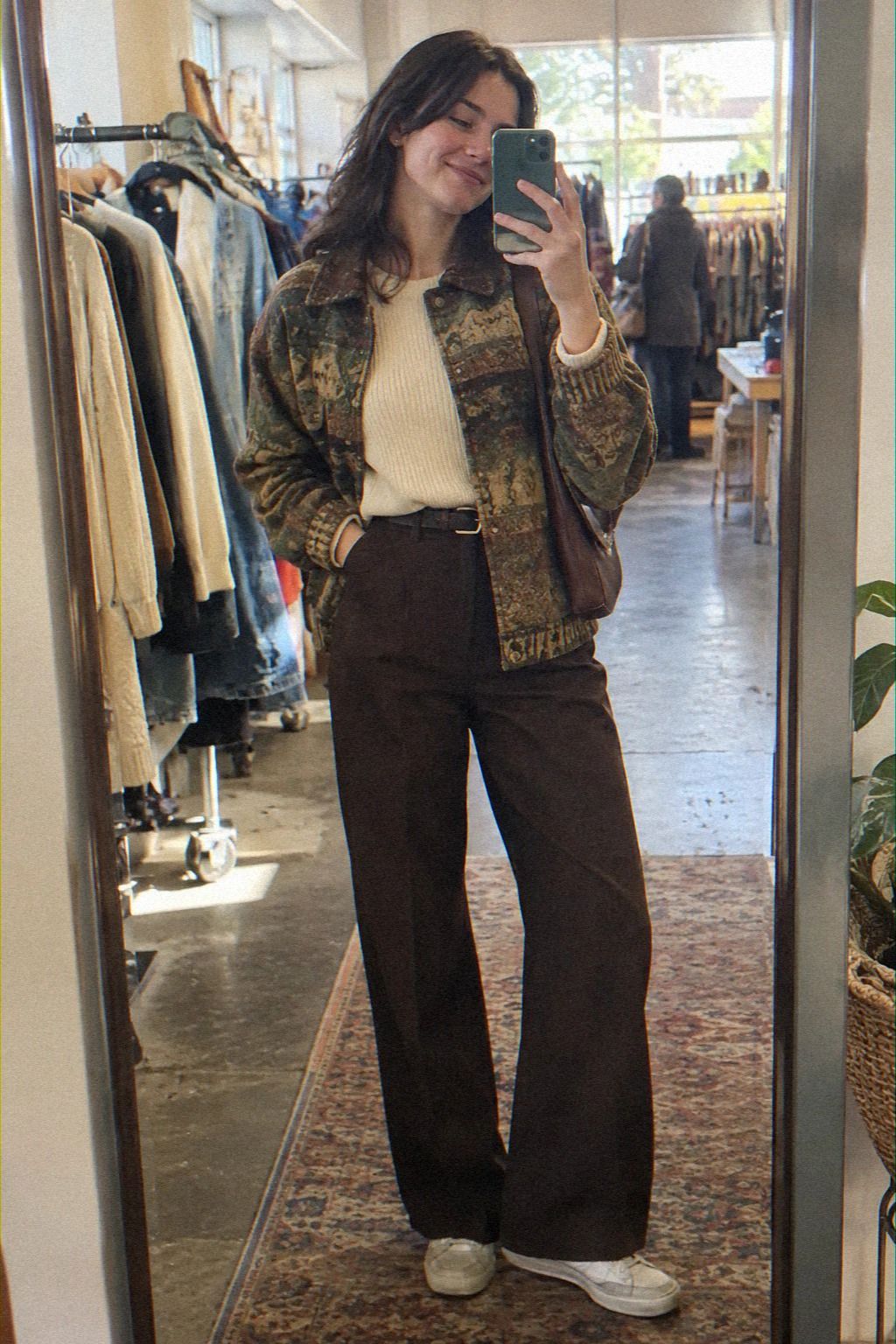
Straight-leg trousers give you a reliable base because they skim rather than cling, and they don’t create the visual fuss of a very wide leg. Choose crepe straight-leg trousers in plum, grey, or a muted rose tone, then add a fine-gauge knit top with a high crew neck or modest open neckline. The combination is soft, modern, and easy to wear through a long day.
Your knit should look smooth rather than chunky. A merino-blend sweater or lightweight ribbed top keeps the outfit breathable under a jacket and won’t overwhelm your proportions. I’d skip oversized cable knit here.
It’s charming for campus, but it can look too casual beside recruiters and printed résumés. If you want a little color, try muted plum, soft grey, or rose pink.
What if you need to carry a portfolio? Choose a flat structured bag that fits papers without bulging. You can also browse these office-appropriate work party outfit ideas for examples of how a simple knit can look polished without feeling stiff.
Make sure your trouser hem doesn’t catch beneath your shoe. A flat structured portfolio bag also keeps your hands free, which makes greeting people feel easier and more natural.
If you’re building the outfit from scratch, prioritize trousers before decorative extras. One flattering fine-gauge knit can work with jeans, a skirt, and a suit jacket, so it earns its place quickly.
4Monochrome Career Fair Dressing: Black, Navy, or Both?

A monochrome outfit looks considered because your eye sees one uninterrupted column of color. Try a navy ponte blazer, navy straight-leg trousers, and a soft white or cream shell.
Navy-on-navy works especially well when the fabrics have slightly different finishes. A warm walnut-brown bag can add depth without breaking the clean palette.
This is a strong option when you don’t want to spend time coordinating several pieces. Your shoes can stay navy or black, while a small silver watch or muted burgundy bag adds dimension.
I’d skip all-white for a busy career fair. It can look elegant in a studio, but coffee, crowded aisles, and packed tote bags make it needlessly high-maintenance.
Your fit matters more than the exact shade. Look for a blazer that closes without strain and trousers that let you sit comfortably. These wedding guest outfit ideas for men over 50 show another useful principle: one strong neutral base gives accessories room to work.
Keep your version simpler and more campus-appropriate.
A navy trouser is especially versatile because it can move between career fairs, presentations, and part-time work. The result feels sleek without looking overly styled.
5Rotate One Button-Down Three Ways: The Oxford Shirt Method
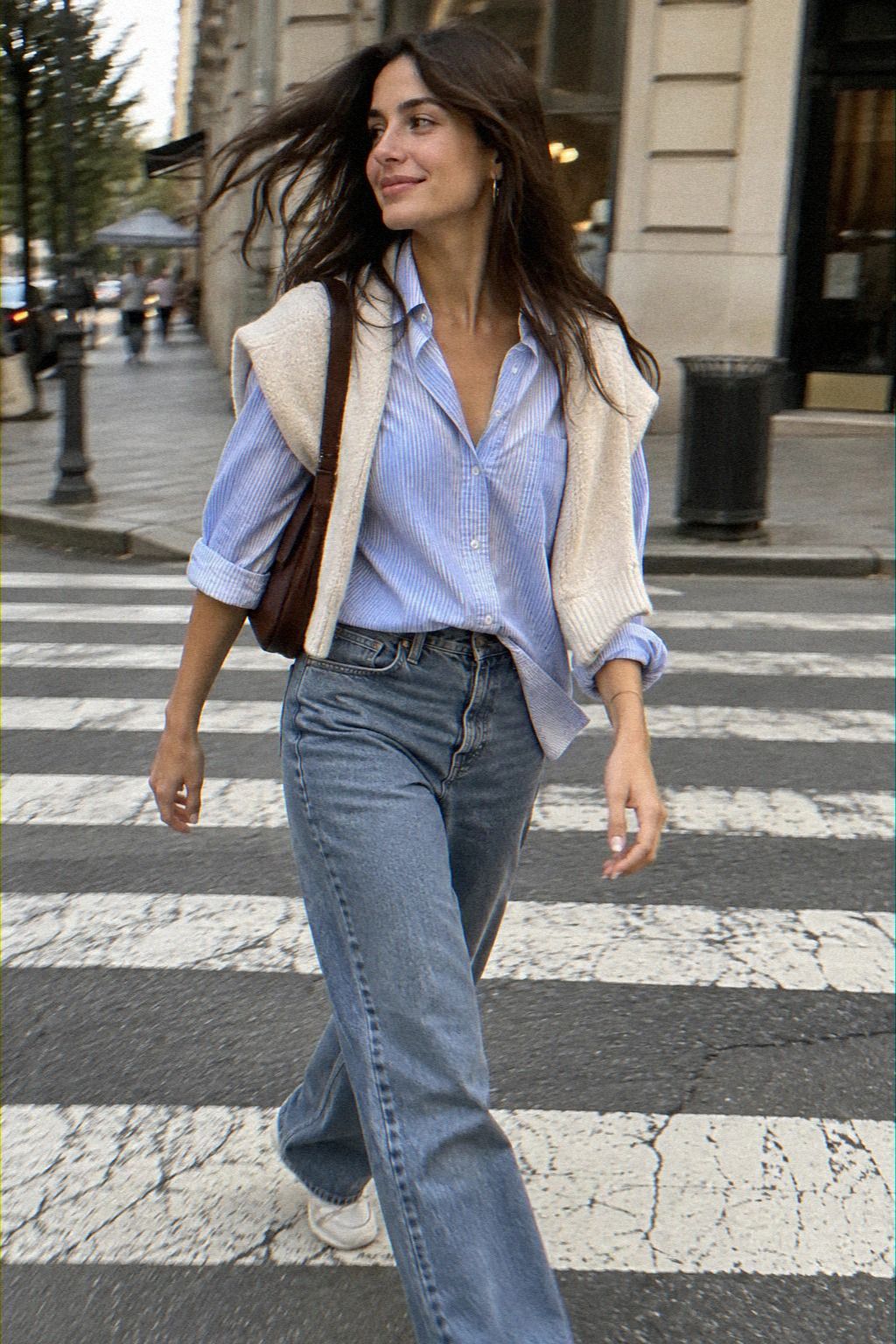
One crisp button-down can anchor three different career fair outfits, which is useful when your budget is tight. Start with a cream Oxford shirt, then wear it with dark trousers, beneath an emerald blazer, and under a fine cardigan. Leave the collar open for a softer look, or button it higher when you want a sharper work presentation outfit.
The shirt should skim your body without pulling at the buttons. A cotton-poplin weave feels crisp, while a cotton-modal blend drapes more gently and resists the stiff costume effect. I’d skip a shirt that’s too oversized unless your trousers are structured enough to balance it.
You’re aiming for relaxed, not sleepy.
For the first outfit, use black trousers and loafers. For the second, add an emerald blazer and dark jeans.
For the third, try warm gold-brown trousers with a belt in a similar shade. Your warm holiday outfit guide can help with layering ideas, but don’t borrow anything glittery for the fair.
Iron the collar. That small detail changes the whole impression.
A cotton-modal blend is useful when you dislike rigid shirts. It gives you a more fluid line while still looking neat under a jacket.
Before the event, photograph the three combinations on your phone. A gold-brown trouser with a familiar shirt may look surprisingly fresh when you see the full proportions together.
6Soft Tailoring vs. Stiff Formalwear: The Polo-and-Blazer Rule
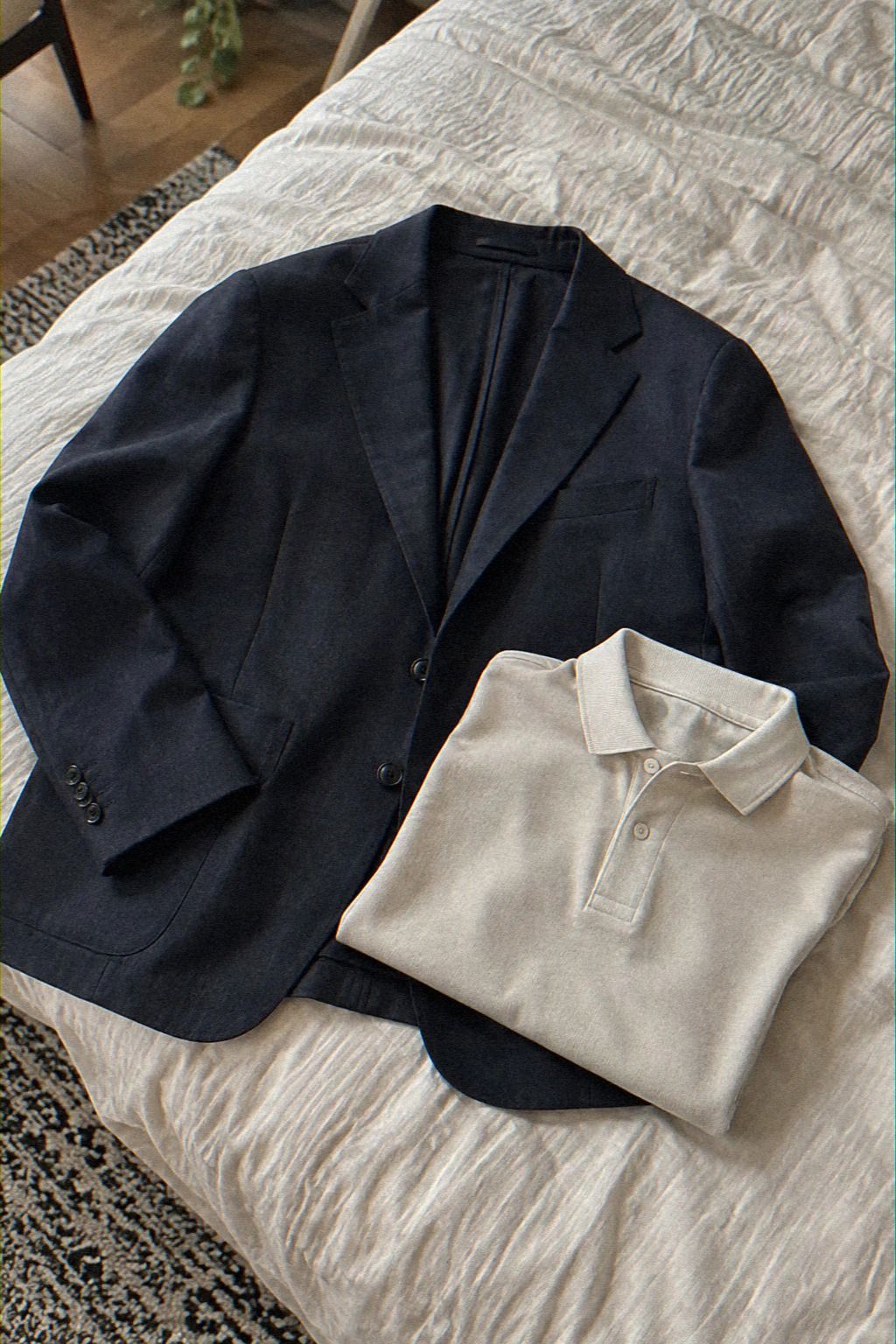
A polo under a blazer is a smart choice when you want tailoring without the stiffness of a button-down. Pick a fine-knit polo in forest green, rust, or cream, then layer it beneath a structured blazer in natural brown or deep forest green. The collar gives your outfit shape, while the knit keeps the texture inviting and modern.
Choose a polo with a flat collar and minimal branding. A heavy ribbed hem can bunch beneath your blazer, and a glossy athletic fabric may look too casual.
I’d skip a very thin polo that shows every fold underneath. You want a clean line across your chest and shoulders, especially if you’ll be standing for hours.
Pair the outfit with tapered trousers or dark jeans, depending on the fair’s field. Your shoes should have a defined shape, such as smooth leather loafers or plain low-profile derbies. If you’re comparing professional silhouettes, these wedding guest outfits for your husband offer useful ideas about balancing relaxed separates with tailored layers.
Your career fair outfit should stay quieter and easier to move in.
A flat polo collar matters more than a bold color. It stays visible beneath the lapel and gives the outfit a clean, intentional finish.
For students who prefer fewer layers, a structured rust blazer over a fine knit can replace a full suit while still looking interview-ready.
7What Makes a Midi Skirt Work at a Career Fair?
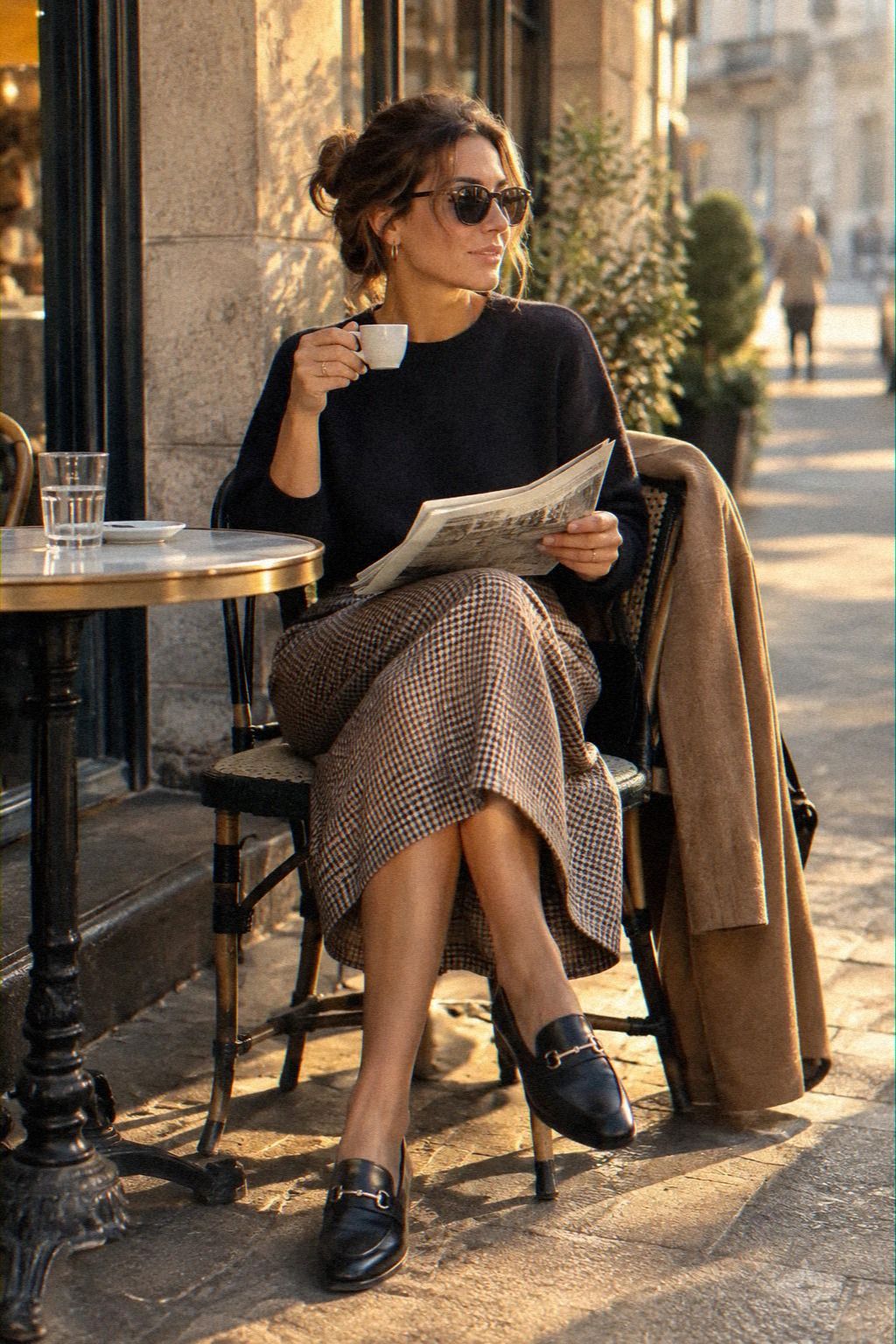
A midi skirt can look professional without feeling predictable. Choose an A-line midi skirt or straight knit version in dusty rose, charcoal, or a muted brass-toned pattern.
Add a tucked blouse or fitted fine-gauge sweater, then finish with loafers that have a stable sole. The longer hem gives the outfit presence, while the loafers keep it practical.
Pay attention to the skirt’s movement when you walk and sit. A stiff fabric may twist around your knees, while a very thin jersey can cling in unwanted places.
I’d choose a woven crepe or midweight wool blend because it hangs cleanly and doesn’t need constant correction. Your comfort matters because you’ll be listening, reaching, and standing.
Keep the color story compact. A dusty rose skirt, charcoal shirt, and brass-tone penny loafers feel polished without looking overworked.
A small structured bag is enough. These teacher outfits for parent conferences use a similar balance of ease and authority. If your skirt has a pattern, let it be the only bold element.
The best hem is one you can forget while walking. A midweight wool blend gives the skirt enough weight to fall neatly without feeling stiff.
If you need extra walking comfort, compare the proportions with these comfortable work shoes that still look polished. The right stable sole can make a long event feel much less distracting.
8Start with a Simple Dress and Add a Secondhand Jacket
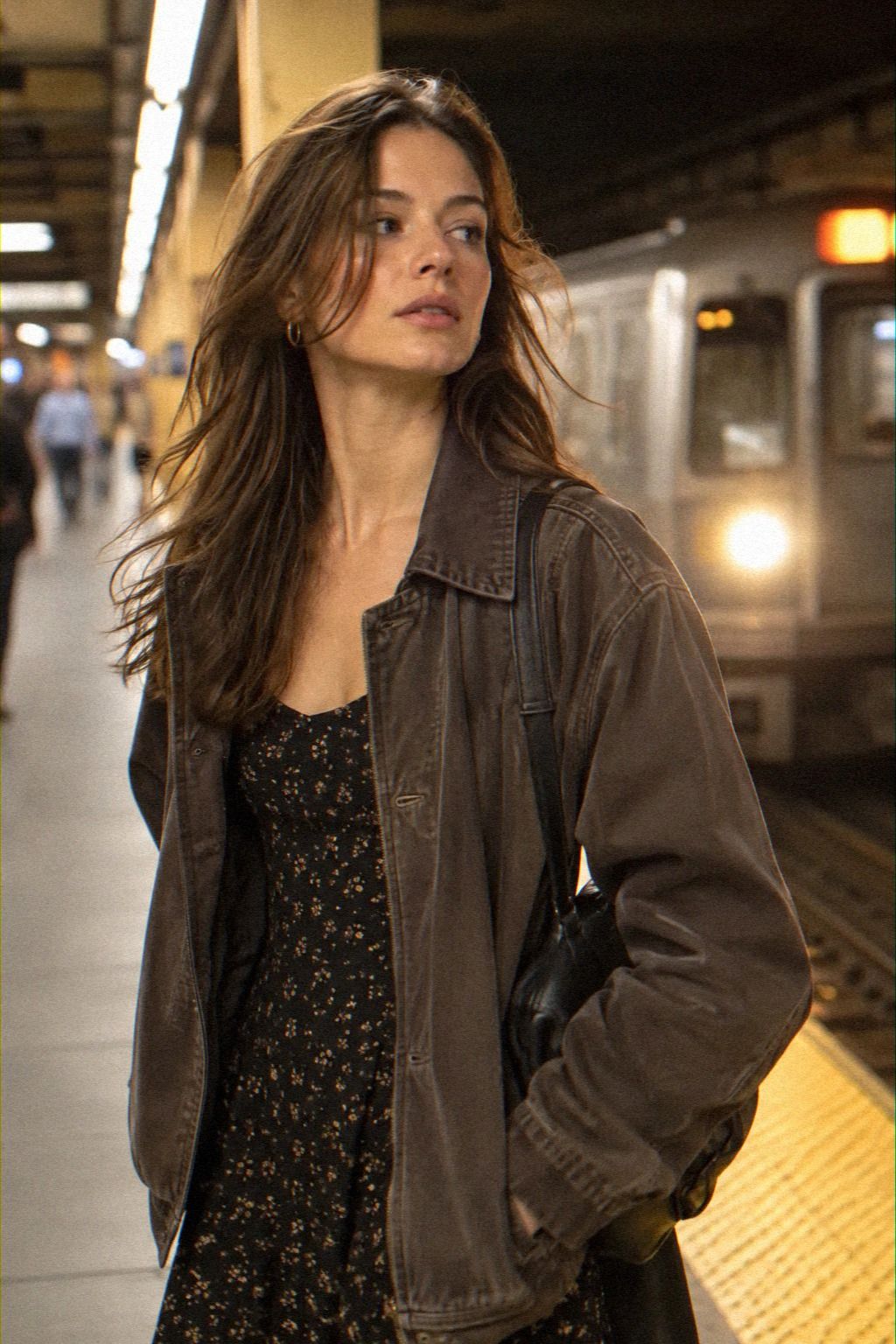
A simple dress gives you a complete base before you add any accessories. Try a warm white dress with a camel secondhand jacket and black accents for the shoes, belt, or bag. The combination feels composed without requiring a matching set.
9Wide-Leg Trousers vs. Volume Overload: Test the Balance
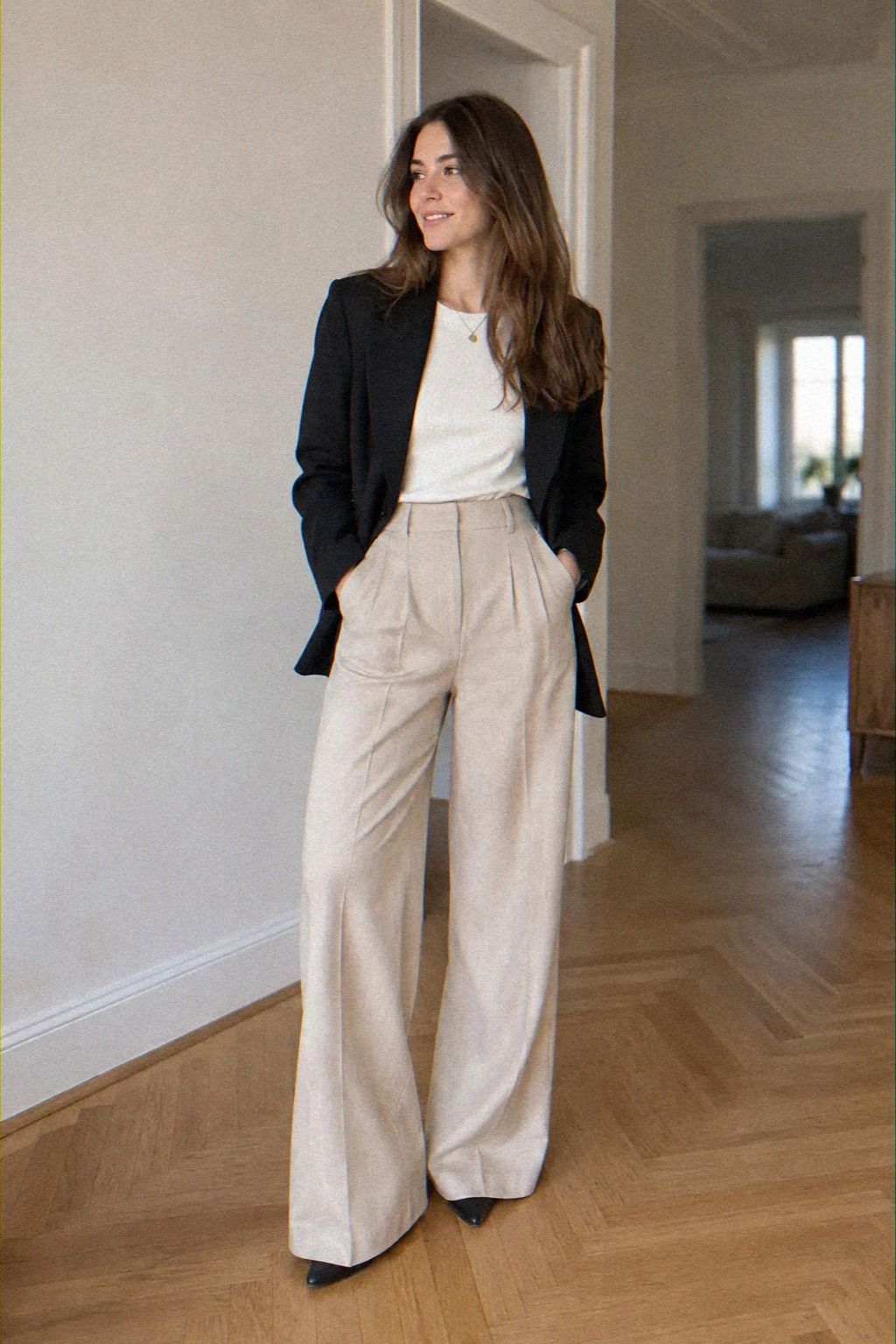
Wide-leg trousers can look highly polished when the top has enough structure to balance them. Choose pressed wide-leg trousers in midnight blue, copper, or ivory, then pair them with a fitted knit, tucked blouse, or cropped blazer that ends near the waistband. The contrast creates a long, calm line without requiring a matching suit.
Your trouser fabric should have enough weight to fall straight rather than balloon. A fluid crepe or tropical-weight wool blend works better than thin rayon that clings at the hips.
I’d skip a long, loose cardigan with this outfit. It adds volume everywhere and can make your silhouette look unplanned.
You’ll want one area of definition.
Keep shoes visible enough to support the hem. Pointed flats, loafers, or a low block heel can work, depending on your comfort.
A compact shoulder bag keeps your hands free. This wide-leg pants styling guide for work can help you compare top lengths before shopping.
Test the entire outfit while walking, sitting, and turning. Fluid crepe trousers can look beautiful in a mirror but behave differently when you move through a crowded room.
If the waistband is high, tuck the top cleanly and keep the accessories minimal. A cropped blazer gives the volume a polished counterpoint without making the outfit feel severe.
10The Campus Tie Test: Let a Statement Tie Lead
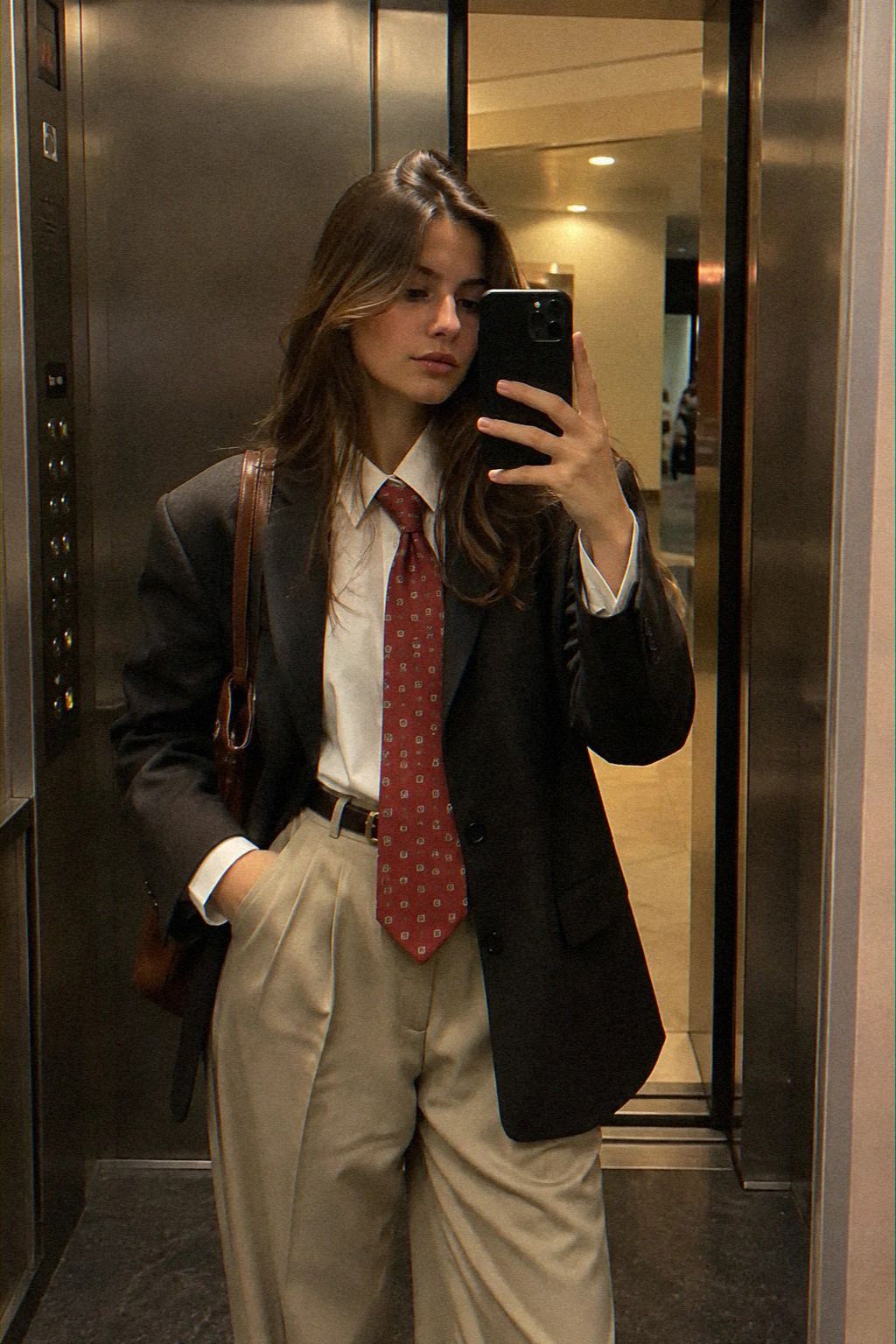
A statement tie can make classic separates feel current, but the rest of your outfit needs to stay disciplined. Try a sage green tie with a warm cream shirt and natural-brown accessories, then keep the trousers and jacket simple.
11Walk Further in Polished Flats for a Long Career Fair Day
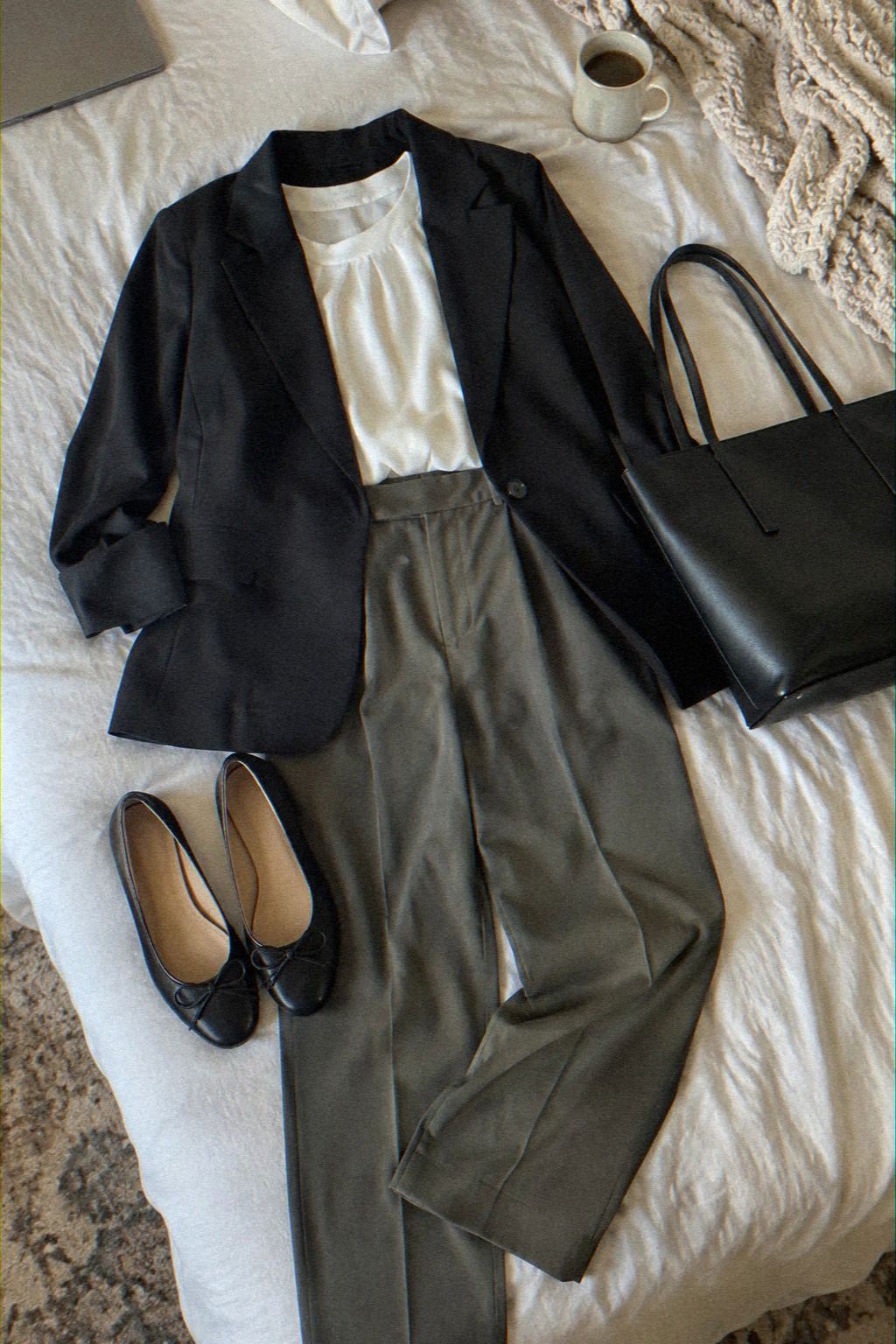
Polished flats can carry a career fair outfit when their shape looks intentional. Choose almond-toe leather flats, sleek loafers, or a low-profile Mary Jane with a secure strap. Terracotta, stone, olive, and deep brown are easy to coordinate with trousers, skirts, and dresses.
The finish should be clean and matte or softly polished.
Avoid shoes that look like indoor slippers or athletic trainers, even if they feel comfortable. I’d also skip a brand-new pair on the morning of the event because stiff edges can distract you from every conversation. Your best option is a pair you’ve checked for walking comfort before the fair, with socks or hosiery that won’t slide.
Build the outfit around the shoes rather than treating them as an afterthought. Straight trousers, a blazer, and a fine knit will look composed with loafers. A midi skirt and button-down will look softer with almond-toe flats.
This office-ready flats guide reinforces the same idea: practical shoes can still look refined. Clean soles matter, too.
A secure Mary Jane strap is useful when you move quickly between tables. It keeps the shoe in place and lets you focus on the conversation instead of your feet.
12Finish Thrifted Outfits with Three Minimal Accessories
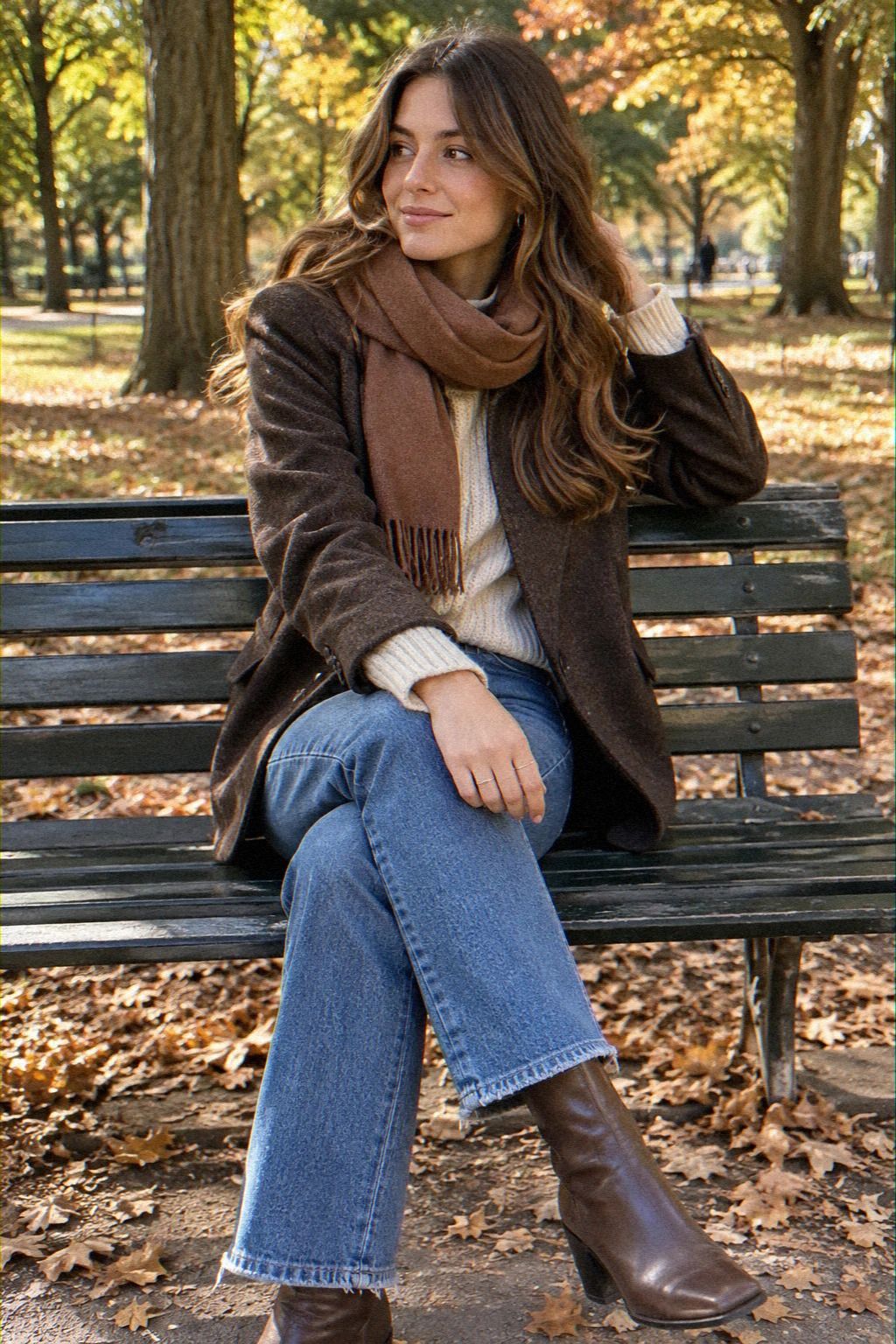
Minimalist accessories can make secondhand clothing look more connected. Choose three physical details: a structured bag, a simple watch, and small earrings or a narrow belt.
Look for linen-textured fabric, aged-brass hardware, or a smooth woven texture. These details give your outfit finish without requiring designer labels or a complete new wardrobe.
Your accessories should echo one another, not match perfectly. A clay bag with aged-brass hardware can work with warm linen separates and a slim brass watch.
A brown belt can pair with a dark brown bag and warm gold-tone jewelry. I’d skip mixing several metals, oversized logos, and bright colors in the same outfit.
You want your clothing to stay visible.
This is also the easiest place to use what you already own. Before shopping, lay out your blazer, trousers, shoes, bag, and jewelry together. If one piece feels disconnected, remove it before buying anything else.
These career outfits for a college graduation show how simple accessories can make familiar basics feel fresh. Edit firmly.
Three thoughtful pieces beat ten random ones.
An aged-brass watch adds a polished note without demanding attention. It’s especially useful when the rest of your outfit is thrifted or visually simple.
If you need one finishing purchase, choose the item that connects the most outfits. A structured clay-toned bag usually has more mileage than a trend-driven accessory.
A Practical Budget for Building the Looks
You don’t need twelve new outfits for twelve outfit ideas. Most students can create several combinations by rotating one blazer, one polished shoe, one neutral trouser, and one adaptable shirt. The working US budget range below is a planning reference for a small refresh, not a promise that every wardrobe will cost the same.
Start with the piece that solves your biggest gap. If your shoes are worn, fix that first.
If you already have presentable shoes, look for a blazer or trouser that connects several outfits. Your existing wardrobe does the heavy lifting.
A thrifted jacket, a pressed shirt, and clean loafers can create more combinations than a single expensive outfit.
A neutral trouser is often the smartest second purchase because it works with shirts, polos, knits, and jackets. Spend more attention on fit than on the label.
Before you shop, inspect the tailored layer you already own. A professional pressing, missing button, or inexpensive hem adjustment may solve the problem faster than buying another garment. These career outfits for a college graduation can also help you spot pieces that deserve a second life after the fair.
What I’d Change About Career Fair Dressing
It’s easy to think career fair dressing means copying the most formal person in the room. That approach misses the point.
You’re not dressing for a costume version of adulthood. You’re dressing so your attention stays on the person in front of you, your résumé stays easy to reach, and your clothes don’t require a running commentary.
The strongest outfit usually has one clear structure and one relaxed note. A blazer with dark jeans. A knit polo with trousers.
A midi skirt with loafers. When every item is formal, the result can look borrowed.
When every item is casual, the message gets muddy. I’d rather see a student in a well-fitted thrifted jacket than a shiny suit that makes them visibly uncomfortable.
Fit is the quietest form of polish. Check the shoulder seam, the trouser break, the shirt collar, and the way the garment moves when you sit.
You don’t need a tailor for every piece, but you do need to notice what pulls, twists, or collapses. Career fairs aren’t still-life photographs. You’ll walk, shake hands, bend toward a bag, and turn quickly when someone calls your name.
A clean trouser break can make an affordable outfit look dramatically more composed. Check it with the shoes you’ll actually wear, because the hem may change with a different sole height.
Color can help when you’re unsure. Navy, charcoal, cream, brown, soft blue, and muted green are forgiving foundations.
Add one richer accent if you want personality. Bright red, loud graphics, and excessive shine can work elsewhere, but they often compete with the conversation here.
Don’t forget texture. A matte knit beside smooth trousers can look more sophisticated than a head-to-toe matching set.
The most convincing detail is usually movement. A matte knit that stays smooth, a collar that remains flat, and trousers that don’t twist will make you feel more confident than a conspicuous logo.
What People Always Want to Know
What’s the safest starting outfit for a small college career fair?
A blazer with dark jeans or straight trousers is usually the safest starting point for a small college career fair. Add polished flats or loafers and one structured bag. One tailored layer creates authority without forcing you into a full suit, and you can reuse it for presentations, networking events, and interviews.
Where can I buy career fair pieces on a budget?
Look at Target, Uniqlo, local thrift stores, consignment shops, and Facebook Marketplace for affordable separates. Search by fabric and fit rather than label, especially for blazers and trousers. You can also reuse pieces from graduation or work-event outfits, then spend your budget on tailoring or shoes.
How much does a career fair wardrobe refresh cost?
A small wardrobe refresh can run about $100 to $300, depending on how much you already own. Free improvements include pressing clothes, cleaning shoes, removing excess accessories, and planning your outfit the night before. A thrifted jacket can reduce the cost substantially.
Can I create twelve outfits from a small wardrobe?
Yes, and you can start with three moves: rotate one blazer across several bottoms, borrow a structured bag, and shop secondhand for a neutral layer. Reusing polished basics saves money while giving you more combinations.
Your goal isn’t twelve purchases. It’s twelve workable formulas.
What should I wear if the career fair feels more casual?
Start with a fine-knit polo or crisp shirt, straight trousers, and clean loafers. You can soften the outfit with dark jeans or a relaxed blazer, but keep the fabrics neat and the shoes intentional. The goal is approachable and polished, not overly formal.
Should I wear a full suit to a college career fair?
Not necessarily. A charcoal blazer with matching or contrasting trousers can look just as professional while giving you more future combinations. Wear a full suit when the industry or employer clearly calls for it, but choose the version that lets you move, speak, and focus comfortably.
Where I’d Start First
If I had to pick one, I’d start with the blazer and dark jeans outfit. The blazer gives you structure, while dark denim keeps the look approachable and reusable.
Pin that formula for later, then test it sitting, walking, and reaching for your résumé before the fair. That’s a strong place to start.