
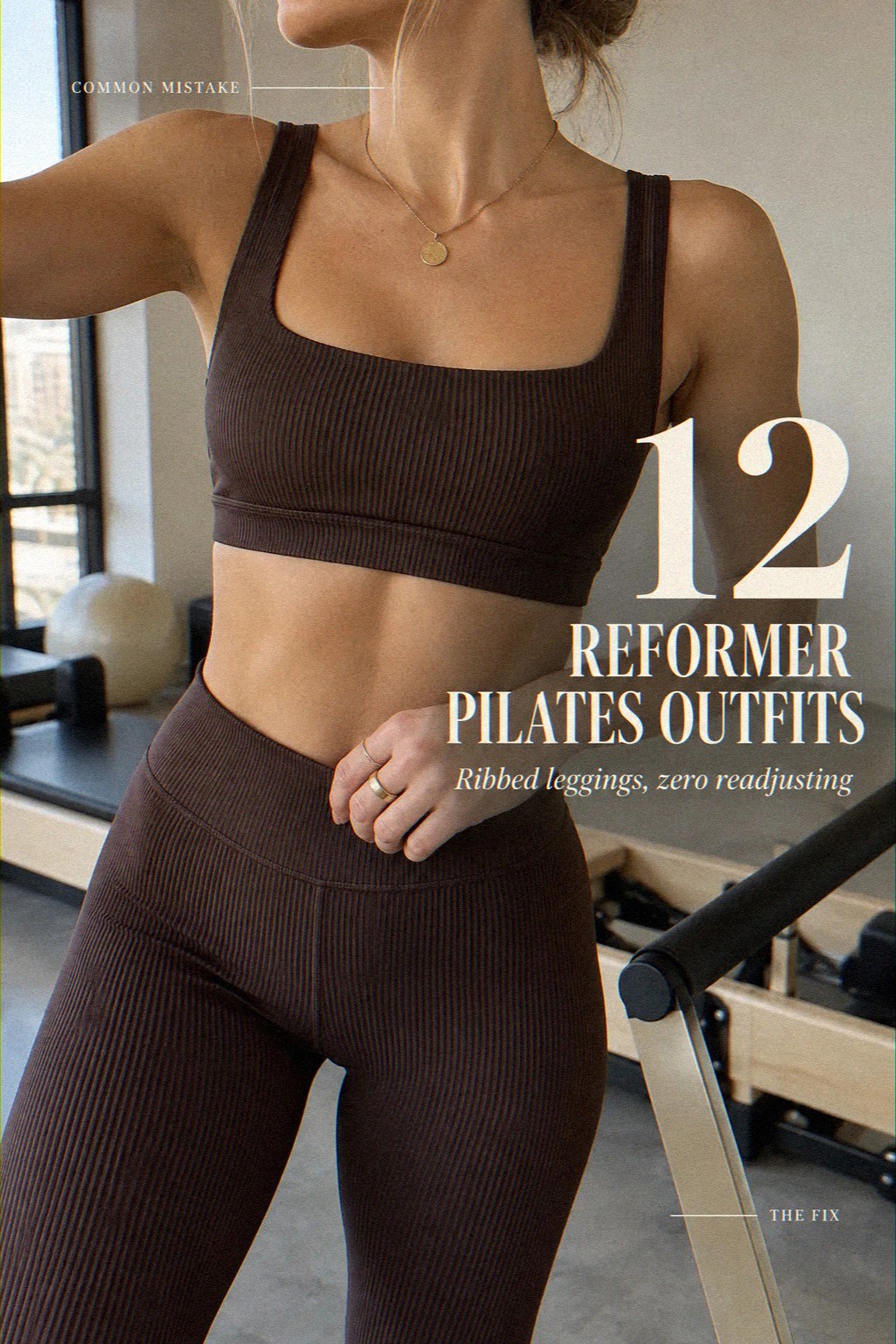
Your reformer Pilates outfit should stay put through footwork, bridges, and the walk home. A loose drawcord or sharp zipper can ruin an otherwise polished look before class begins. This guide builds each outfit from the legging seam upward. No fuss. Just clean movement and clothes you’ll want to wear again.
Don’t overthink: How High-Rise Waistbands Stay Anchored.
The Three-Check Rule Before You Start
Before choosing a reformer Pilates outfit, check the waistband, leg opening, and every piece of hardware. You’re looking for a smooth base that won’t catch on straps or bunch beneath your ribs.
I’d rather repeat a simple olive legging than gamble on a dramatic pair with rough seams. Your outfit should feel calm before you move.
Pull the garment through your hands. A flat seam should feel nearly flush, not raised like a cord.
Look at the inside label, too. A blend with nylon and elastane can feel sleek and flexible, while a thick brushed interior may create unwanted drag against the carriage.
If you’re new to reformer work, start with this first Pilates class clothing guide. You’ll avoid several beginner mistakes in one read.
A quick pre-class check takes less than a minute. Sit, fold forward, lift one knee, and reach both arms overhead.
If your top exposes your waist or your legging twists, you’ve got your answer. Good!
Planning Your Pilates Clothing Budget
A complete outfit doesn’t need to become an expensive shopping project. These are useful planning ranges, not fixed prices:
The best value usually comes from a stable legging and a versatile top. You don’t need to buy every matching layer at once.
- Start With Flat-Seam Leggings For Reformer Work
- How High-Rise Waistbands Stay Anchored
- Choose Four-Way Stretch With Snag-Resistant Finish
- Place Ankle Hems Above Moving Carriage Parts
- Keep Drawcords And Hardware Away From Straps
- Pale Fabric or Reliable Coverage?
- Match Fitted Tops To Secure Bra Support
- Loose Layers vs. Secure Lines
- What the Gusset Actually Changes
- Plan Monochrome Outfits With Streamlined Silhouettes
- The Hair and Jewelry Check
- Style Grip Socks With Cropped Leggings
1Start With Flat-Seam Leggings For Reformer Work
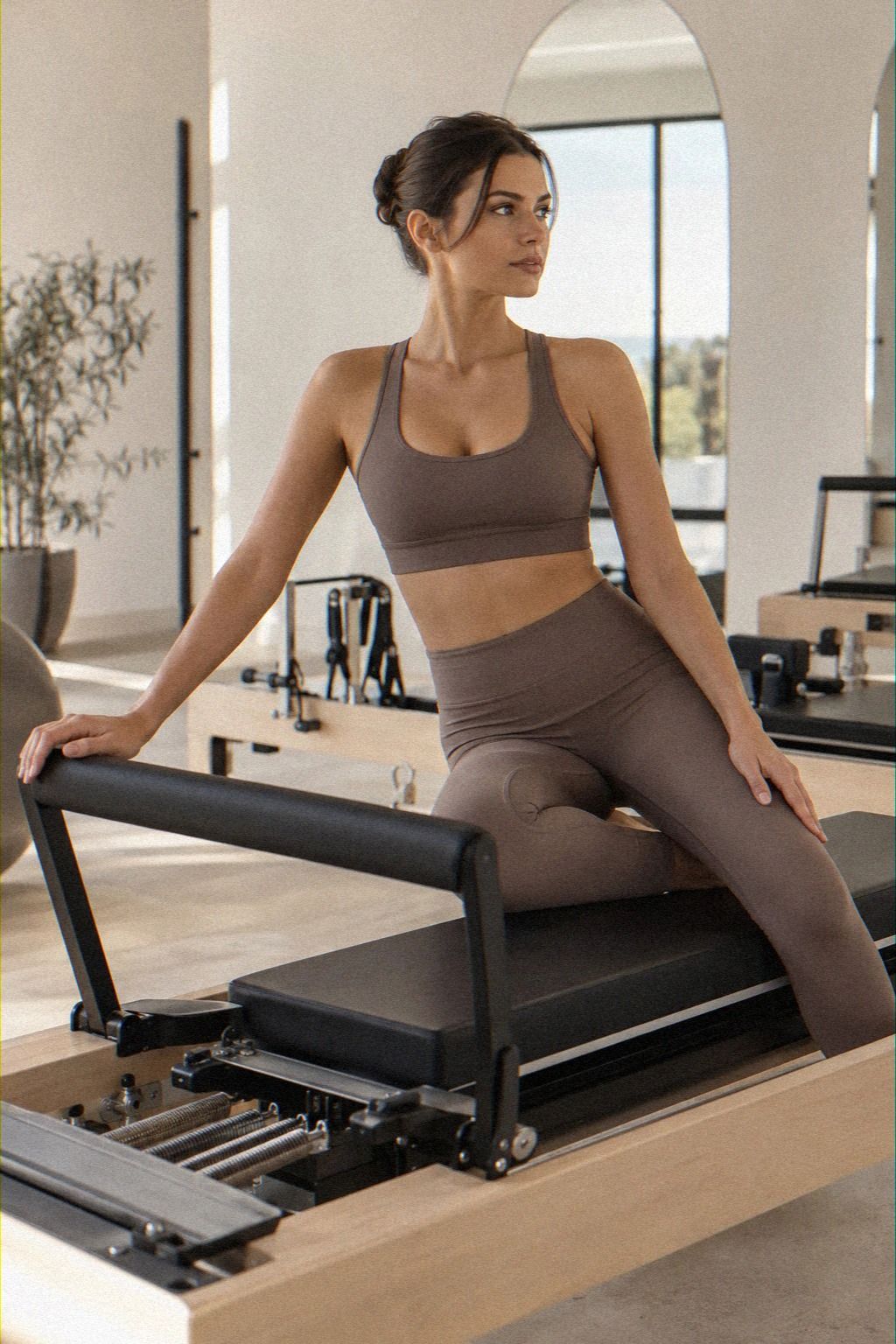
Start with leggings that have flatlock seams along the inner leg and seat. A clean legging creates a polished line beneath a longer top, even when you’re commuting with a tote or changing shoes before class.
You can borrow that elegant proportion for the studio with a matte terracotta, stone, or olive pair and a fitted tank. The silhouette stays refined without looking dressed up.
I’d skip decorative piping at the inner thigh. It may look polished while standing, but it can press or twist when you’re lying on the carriage.
Your best test is simple: sit on the floor, extend one leg, and check whether the seam shifts toward the front. A pair from Athleta Elation or a similar flat-seam range gives you a useful starting point, but your hand test matters more than the label.
For more outfit context, compare the proportions with these wearable athletic outfit ideas.
Keep the rest restrained. A stone sock, fitted tank, and one soft olive overshirt are enough. You don’t need five textures competing with the legging.
That’s the test!
2How High-Rise Waistbands Stay Anchored
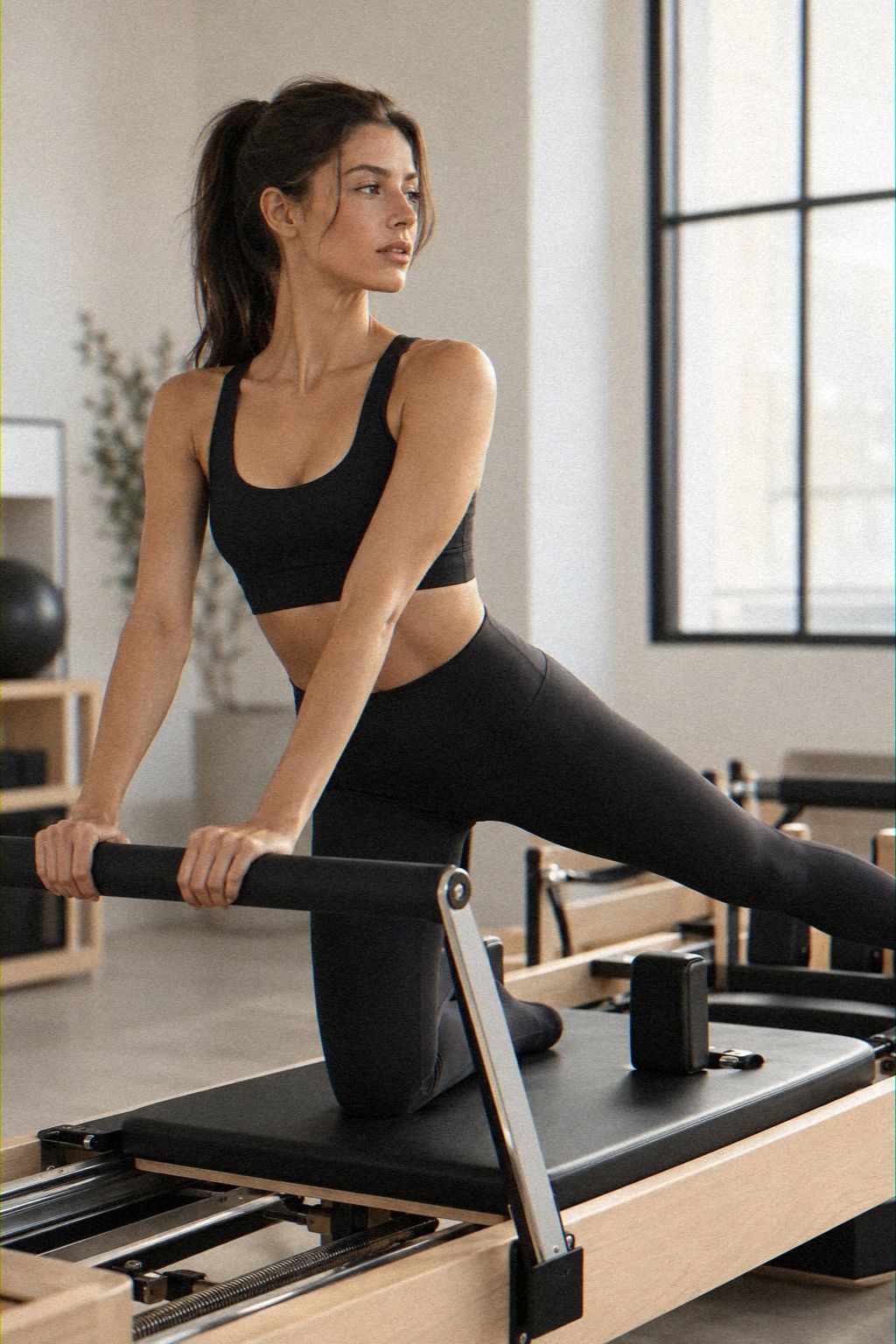
Choose a high-rise waistband that reaches your natural waist and stays flat when you hinge forward. The most reliable version has a broad band, clean stitching, and enough recovery to return to shape after repeated bends.
Avoid a waistband that rolls when you sit. A firm but flexible panel can feel more secure than a narrow elastic strip, while an overly compressive band may become distracting during long holds. Check the waistband with your linen-toned tank tucked in and untucked.
This first Pilates class clothing guide is also useful when you’re deciding how much coverage you actually need. A higher rise can make a clay top feel more polished, but the fit still has to remain comfortable when your torso folds.
For budget shopping, inspect the inside of the band before looking at the color. A plain clay legging with secure construction can offer better value than a trend-led pair that needs constant adjustment.
3Choose Four-Way Stretch With Snag-Resistant Finish
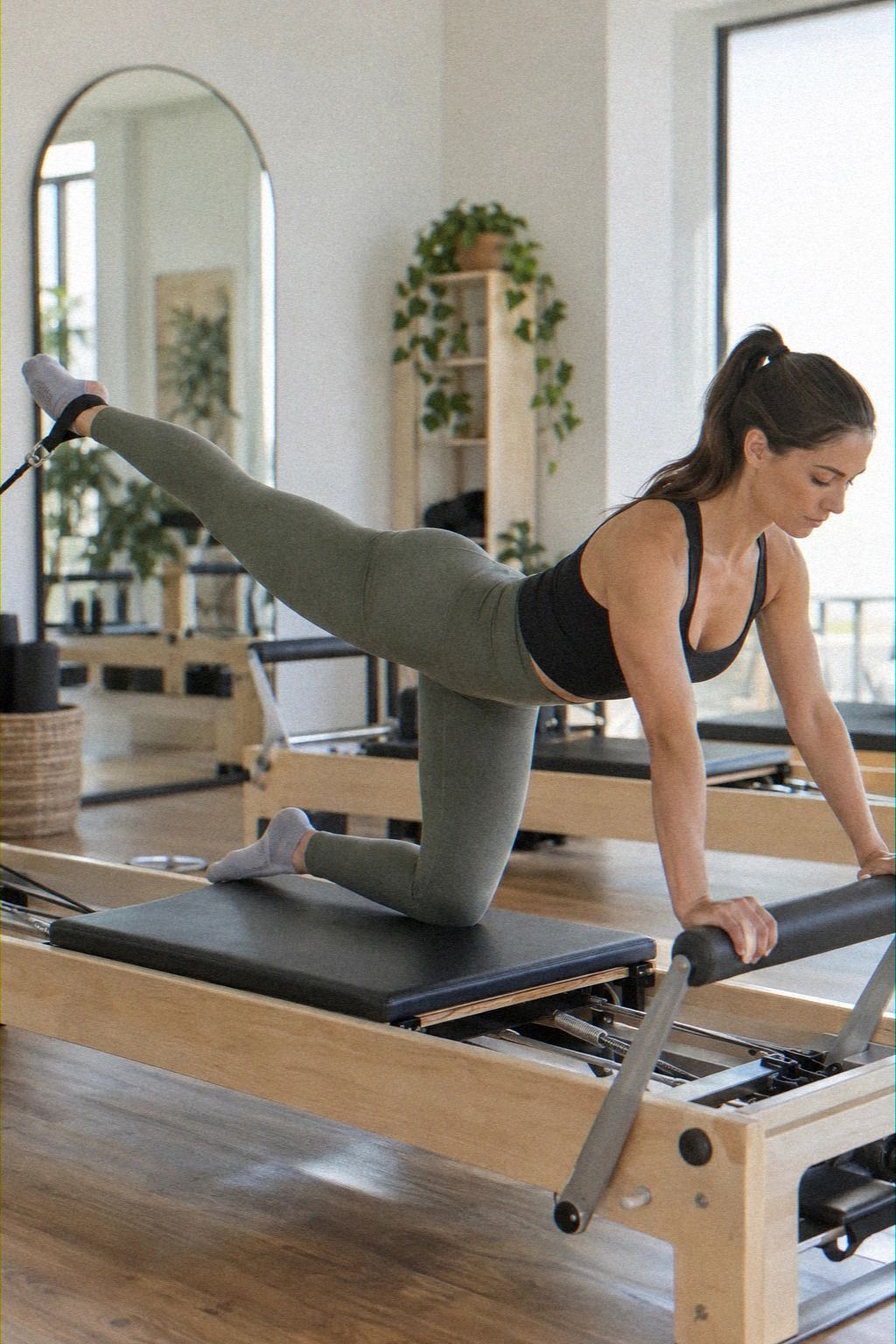
Look for four-way stretch when you need a legging that can follow hip rotation, knee bends, and long leg extensions. A smooth, low-sheen surface looks refined in daylight and doesn’t draw attention to every fold. A nylon-elastane knit is often a sensible place to begin.
Read the product description carefully. “Stretchy” tells you very little, while four-way stretch describes movement across both width and length. A snag-resistant finish can help when your clothes meet a rough bench edge or zipper, but it isn’t a promise that the fabric can’t catch.
Your jewelry, bag hardware, and own zipper remain the usual suspects.
A smooth studio layer is a smart buy when you travel directly from class to errands. A Uniqlo AIRism jacket or lightweight technical wrap can slide over a fitted base without adding bulky volume. You’ll find more polished proportion ideas in these office-appropriate outfit combinations.
A second look at those office-appropriate outfit combinations can also help you judge whether an outer layer has enough structure for the rest of your day. The price is easier to justify when one jacket works for class, commuting, and casual plans.
4Place Ankle Hems Above Moving Carriage Parts
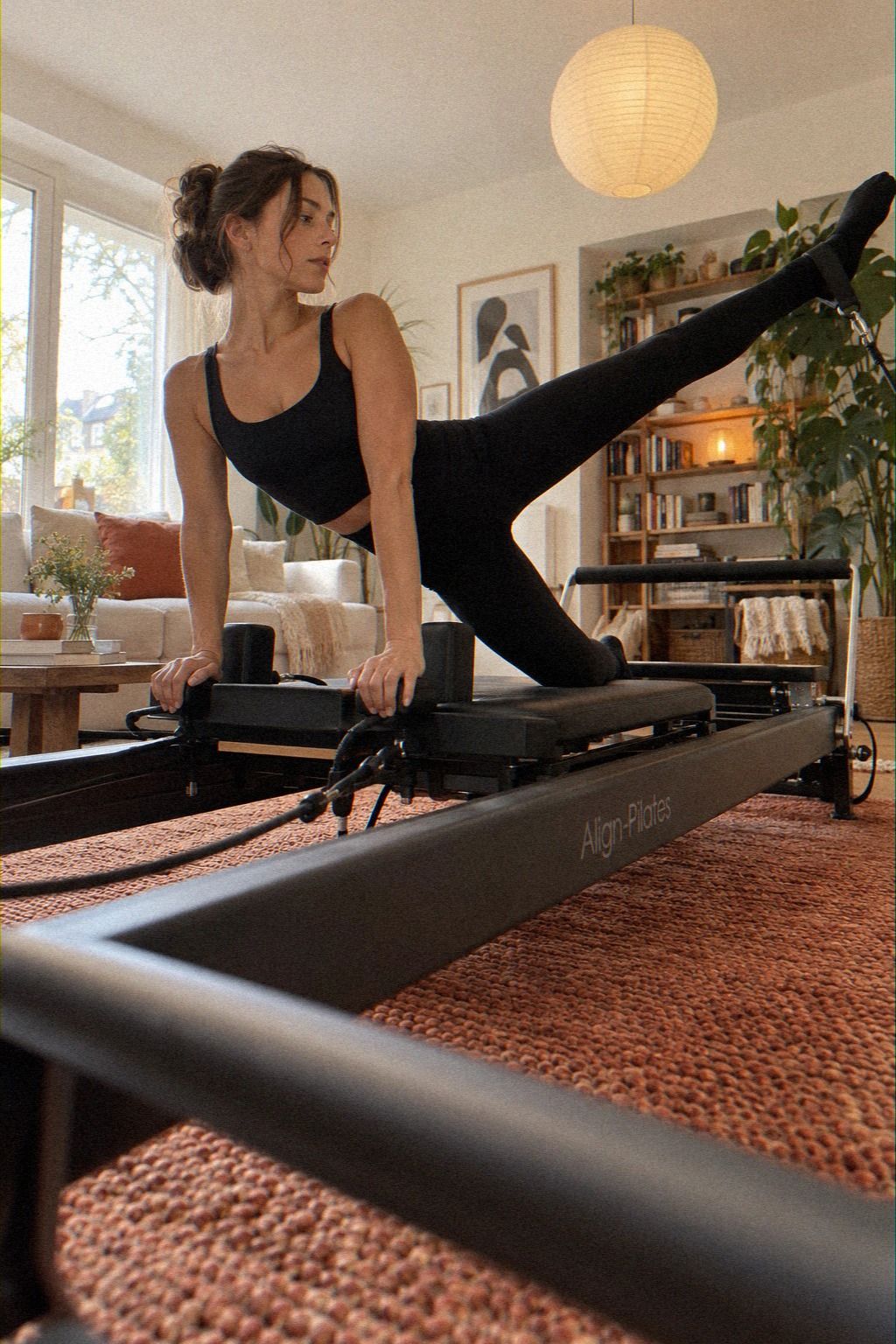
Keep your ankle hem clean and close to the body, especially near the carriage, springs, and straps. A cropped legging should end above the ankle bone or sit neatly at it, depending on your height and the shoe you’ll wear outside.
Avoid hems that pool around the foot. Extra fabric can twist during transitions and make a streamlined outfit look messy. A narrow, finished cuff is usually more polished than a loose raw edge.
The right length depends on the cut. A petite frame may prefer a true seven-eighths legging, while a taller frame may find that the same style becomes full length.
Check the hem while walking, bending, and lifting one knee. You’ll know quickly whether the cropped length feels intentional.
A navy, white, or walnut-toned palette can keep the outfit crisp without feeling stark. Choose the darkest shade for the legging and use white or warm brown at the top or shoe.
5Keep Drawcords And Hardware Away From Straps
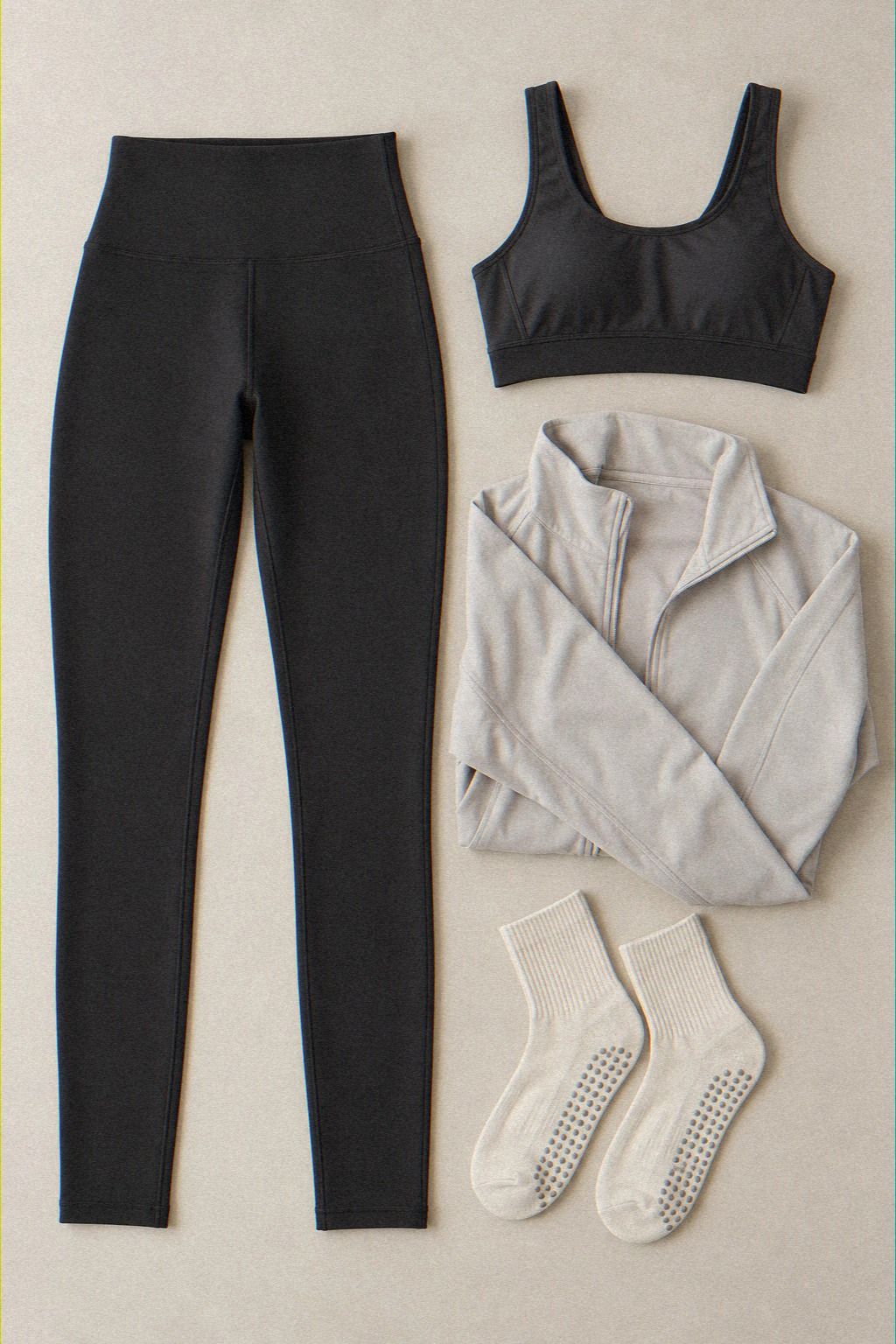
Keep drawcords, toggles, and metal hardware away from the path of the reformer straps. You can build a sleek outfit with a smooth tank, streamlined leggings, and a soft zip layer, but inspect the waistband before leaving home. One dangling cord can become the loudest detail in the room.
I prefer an internal drawcord or no drawcord at all for reformer work. A visible cord may look sporty, yet it can press into your stomach when you curl forward. Metal zipper pulls can also catch on smooth performance jersey, especially when the garment is folded inside a crowded tote.
A simple outfit edit helps. One fitted base, one warm layer, one pair of grip socks, and a small pouch are enough.
You don’t need a chain strap crossing the outfit or a heavy charm near the waist. These wedding guest outfit pairing principles offer useful lessons in combining one strong base with several polished layers.
The same wedding guest outfit pairing principles are helpful when you’re trying to get more cost-per-wear from activewear. Think of the base as the anchor and the outer layer as the changeable piece. Emerald, gold, and cream can make that formula feel considered without adding extra hardware.
6Pale Fabric or Reliable Coverage?
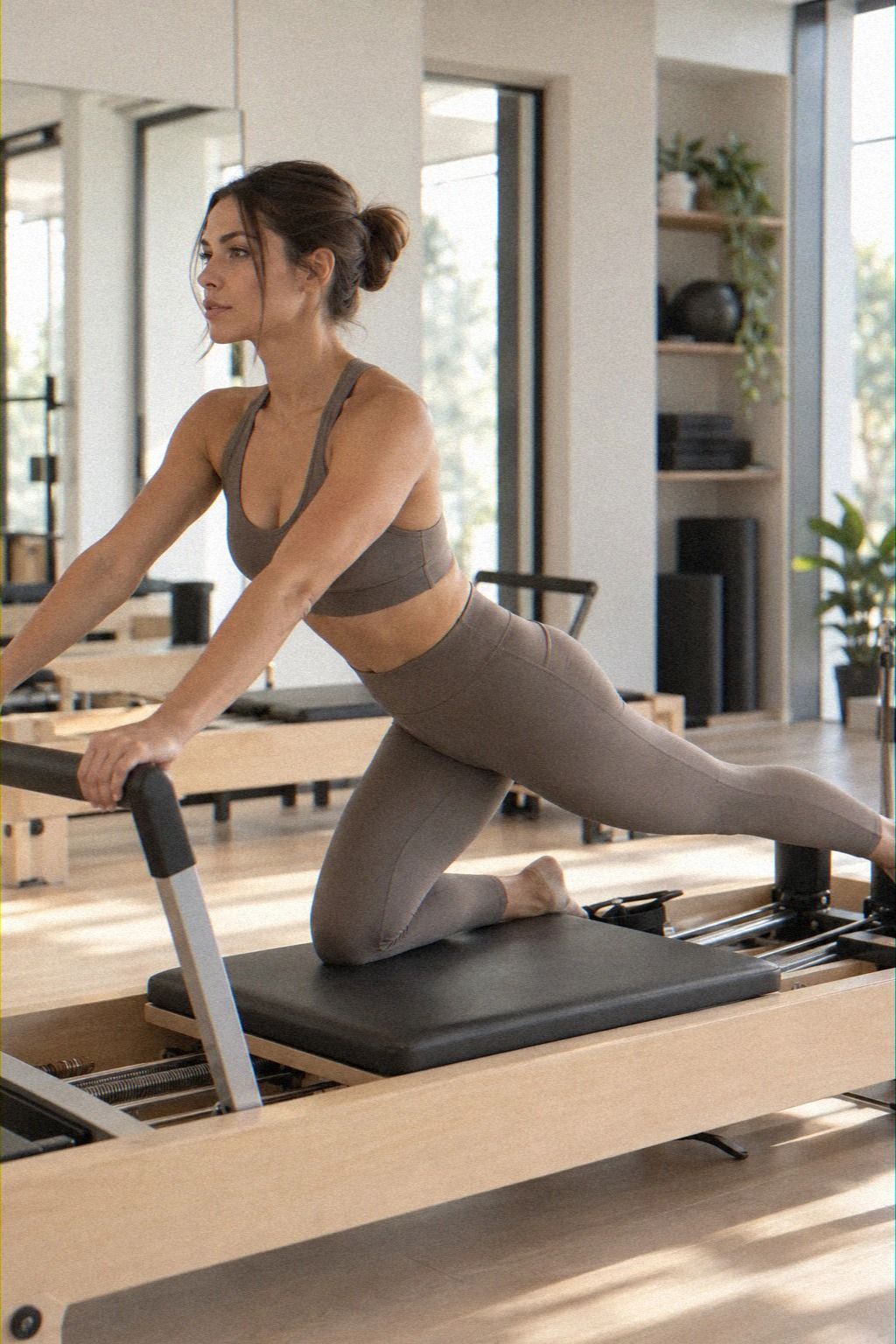
Test pale fabric in a deep squat before choosing it for a Pilates reformer outfit. Hold the garment under bright light, bend your knees, and check whether the knit becomes sheer or visibly stretched. Rust, warm green, and natural brown can look elegant while offering more ease than bright white.
You can still wear lighter colors if the fabric has enough density and the seams stay smooth. A double-layer waistband helps, while a thin single-layer panel may reveal more than you expected. Look for opaque recycled nylon or a compact interlock knit, then test it with the exact underwear you’ll wear to class.
I’d skip bright white for a first purchase unless you can see the fabric in motion. Forest green, rust, and natural oak tones usually give you a sophisticated feeling without demanding constant checking. Why spend the class wondering whether your leggings are transparent?
These warm men’s outfit ideas show how muted colors can still look polished and intentional.
Those warm men’s outfit ideas also demonstrate the value of a restrained palette. The lesson carries over: a muted color can feel modern, versatile, and easier to rewear than a loud shade.
The Two-Layer Rule for Studio to Street
Use two layers when you need a reformer Pilates aesthetic outfit that can leave the studio without looking unfinished. The first layer should be close to the body and free of loose edges.
The second can add structure, such as a cropped bomber, long cardigan, or lightweight chore jacket. Your outfit will look considered, but you won’t have to change every piece.
The key is contrast. A matte legging with a crisp cotton-poplin shirt feels more refined than leggings with another soft knit on top.
A fitted tank under merino wool jersey gives you warmth without the bulky shoulder line of a sweater. You can keep the palette monochrome, then let the fabric change create interest.
Your outer layer should slide over the base without dragging. Try the full outfit while lifting both arms.
If the jacket pulls at the armpits, you’ll notice it before class. This men’s wedding outfit guide has useful lessons in proportion, even if your final look is much more athletic.
A smooth outer layer can be worth the investment when it works for the studio, commute, and weekend errands. Look for a clean shoulder, compact fabric, and a polished zipper. Smart buy!
7Match Fitted Tops To Secure Bra Support
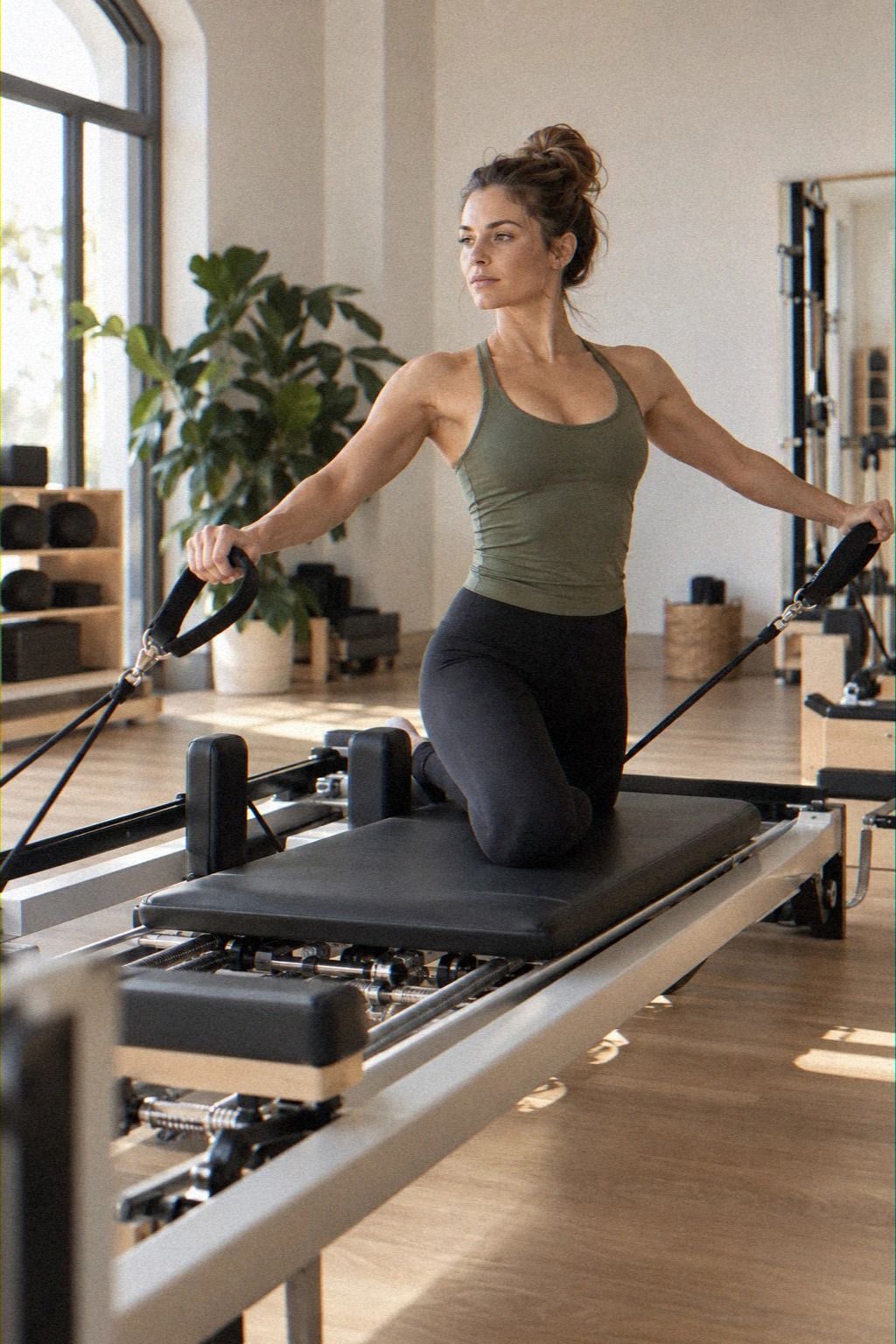
Match a fitted top to a secure sports bra before choosing the color or neckline. The top should move with the bra rather than creating a second loose layer that shifts whenever you reach overhead.
A scoop neck can look understated, while a high neck feels more structured and modern. A racerback keeps the shoulder line clean, but check that the straps don’t sit beneath a jacket seam. Your best choice is the one that stays visually quiet while you move.
For a versatile capsule, choose one dusty rose top and one charcoal shade. Brass-toned details can add a warm accent without taking over the outfit. You’ll get more value from pieces that work together than from a single dramatic print.
8Loose Layers vs. Secure Lines
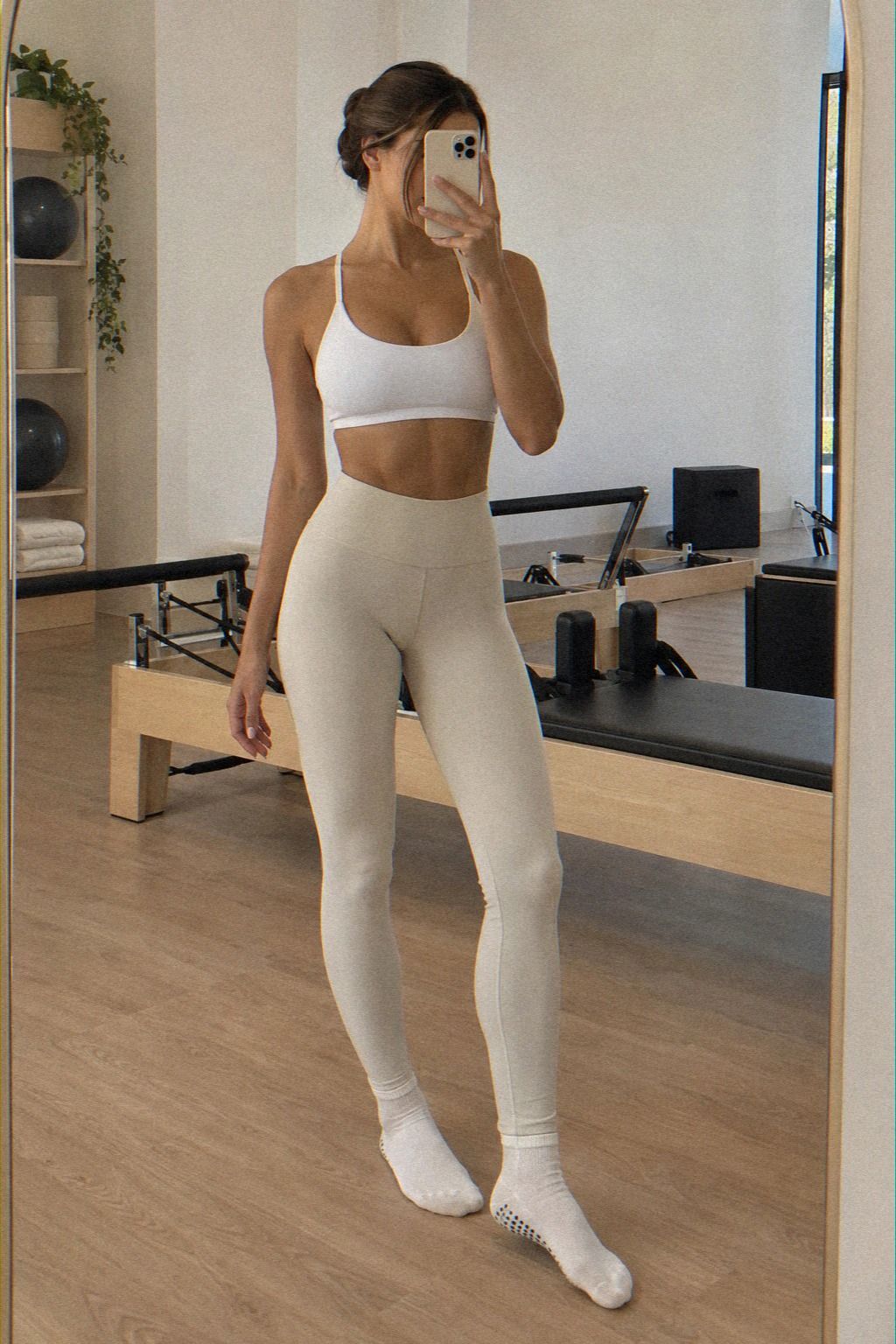
Skip loose layers near springs and straps, especially while you’re learning the equipment. A fitted base lets you see where every edge lands. Wide sleeves and long ties may look airy in a changing room, but they can become distracting when your arms or legs move around the carriage.
Choose a close-fitting zip jacket, cropped sweatshirt with a clean hem, or sleeveless vest that ends above the hip. French terry cotton can feel soft and warm without creating excessive volume. I’d avoid a long scarf, open poncho, or oversized hoodie for class itself.
Don’t mistake minimal dressing for boring dressing. You can create a bold silhouette with warm white, camel, and black accents. Your base remains practical while the outer layer supplies personality.
These warm New Year’s Eve outfit ideas show how one strong layer can carry a look.
These warm New Year’s Eve outfit ideas are especially useful for thinking about warmth without excessive bulk. A compact, polished layer can make a better budget choice than several thin pieces that don’t coordinate.
9What the Gusset Actually Changes
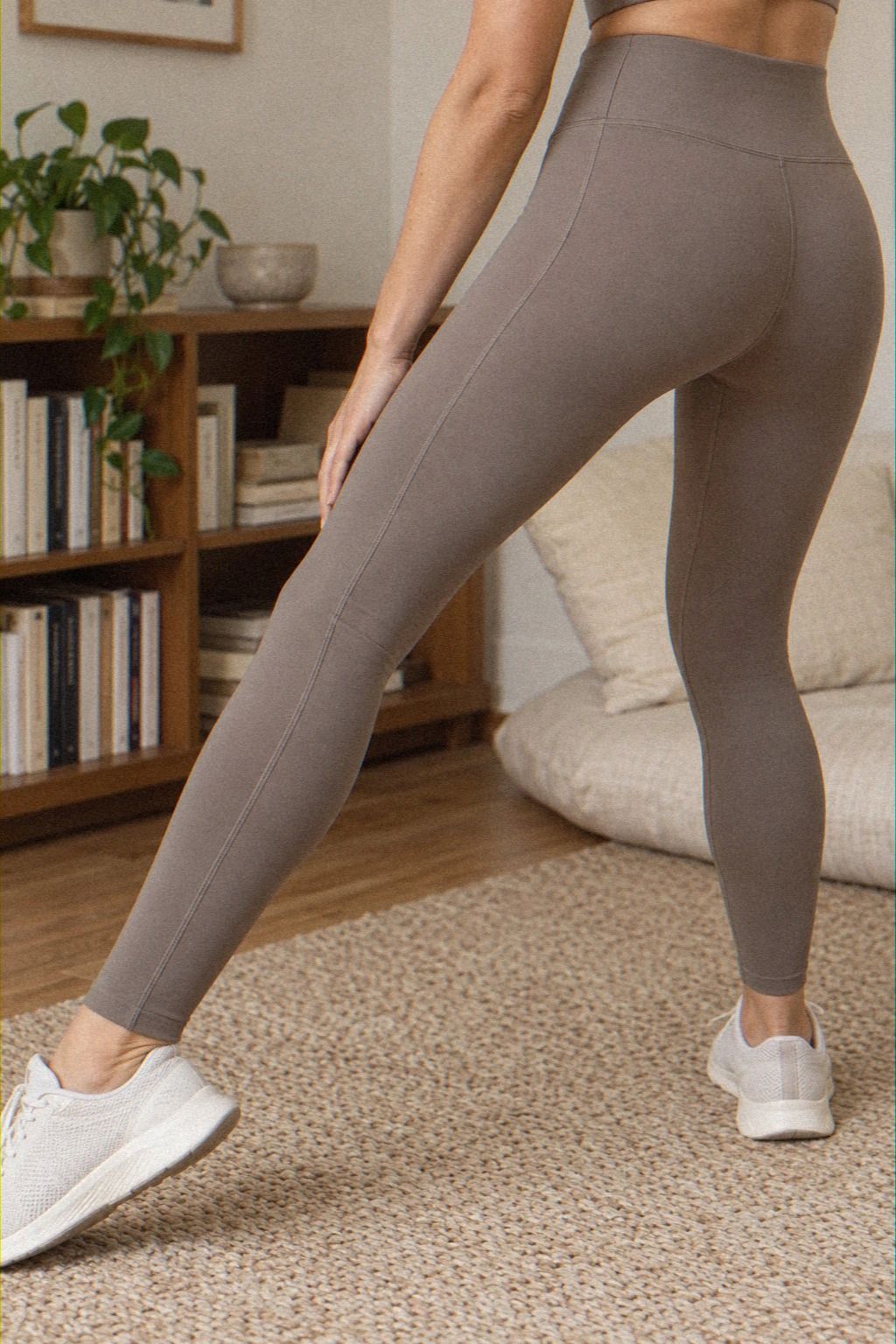
Check the gusset before buying leggings for long leg extensions. A smooth, washed-linen-feel base in midnight blue, copper, or ivory can still look polished, but the gusset must lie flat when your legs separate. If it pulls, twists, or creates a ridge, keep looking.
10Plan Monochrome Outfits With Streamlined Silhouettes
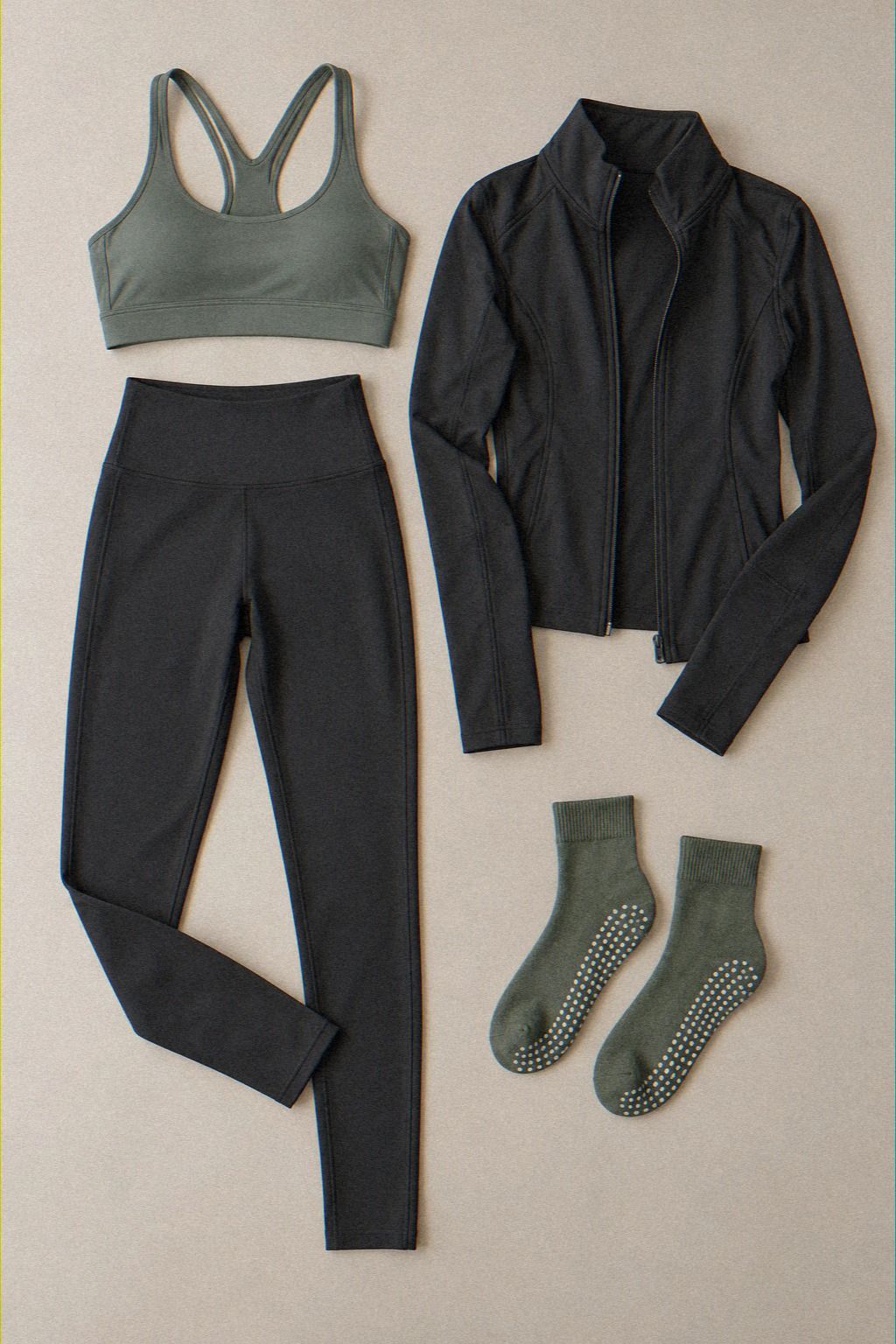
Plan a monochrome Pilates outfit when you want the cleanest visual line from tank to ankle. Keep the colors within one family: sage green, warm cream, or natural brown. Your outfit will look longer and more refined when the top and legging share a similar value.
The move is to vary texture, not color. Try a matte legging with a ribbed tank and smooth nylon jacket. A ribbed modal blend gives the eye something to notice without adding loose trim or bulky seams.
You can also use one quiet contrast, such as warm cream grip socks with sage leggings.
I’d choose monochrome over a busy print when your priority is movement and rewearing. Prints can be fun, but they often make a wardrobe feel smaller because every piece announces itself.
Your simple base can take a different jacket, sneaker, or tote each week. These outfits for men over 50 offer useful lessons in repeating a strong neutral foundation.
A monochrome formula also makes the price of each new piece easier to judge. If a jacket only works with one printed legging, it may not offer enough value. If it works with four bases, the purchase becomes much more practical.
11The Hair and Jewelry Check
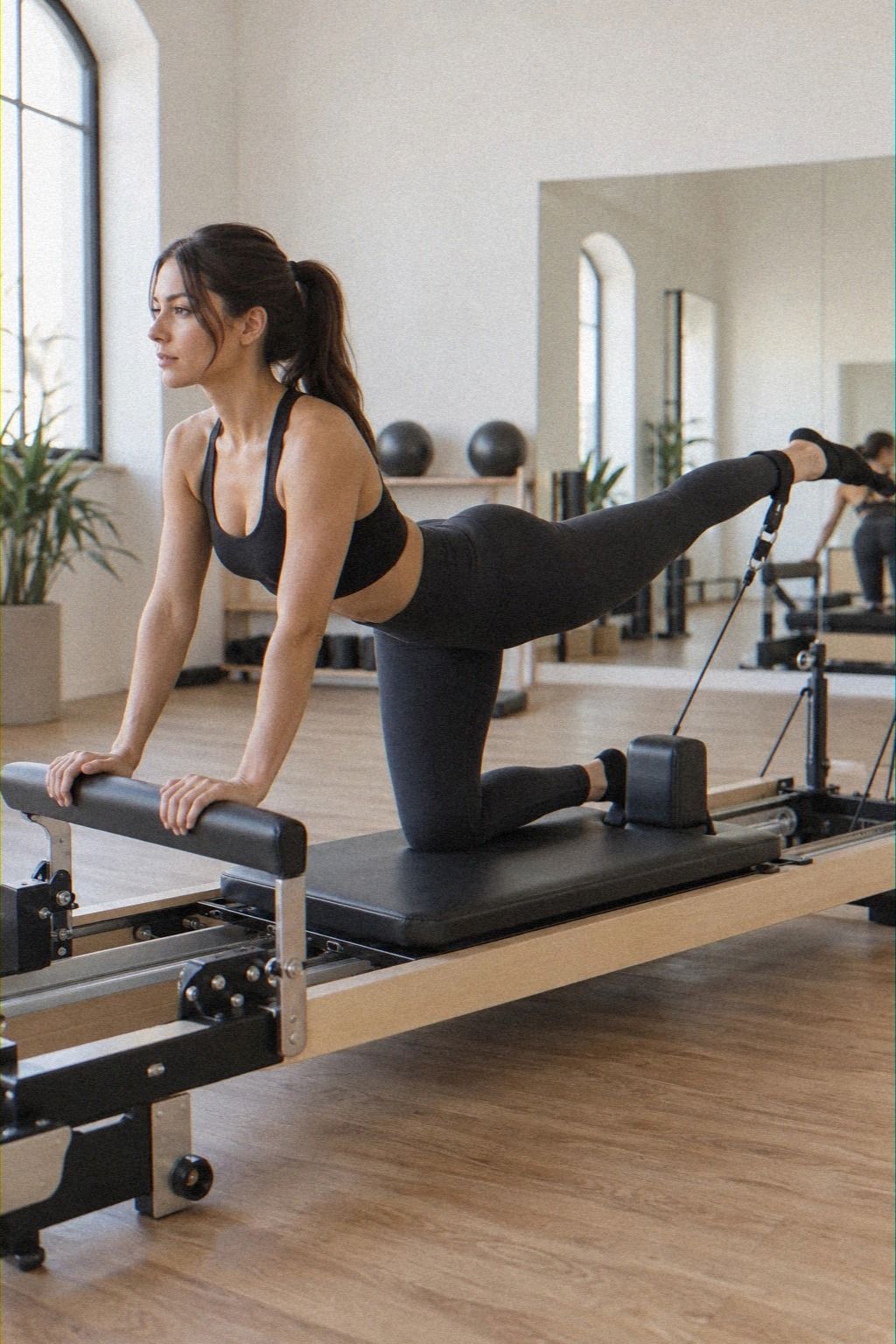
Secure your hair and jewelry before class so nothing catches, presses, or distracts you. A terracotta, stone, and olive outfit benefits from the same restraint: tie hair back, remove dangling pieces, and keep any remaining jewelry small.
12Style Grip Socks With Cropped Leggings
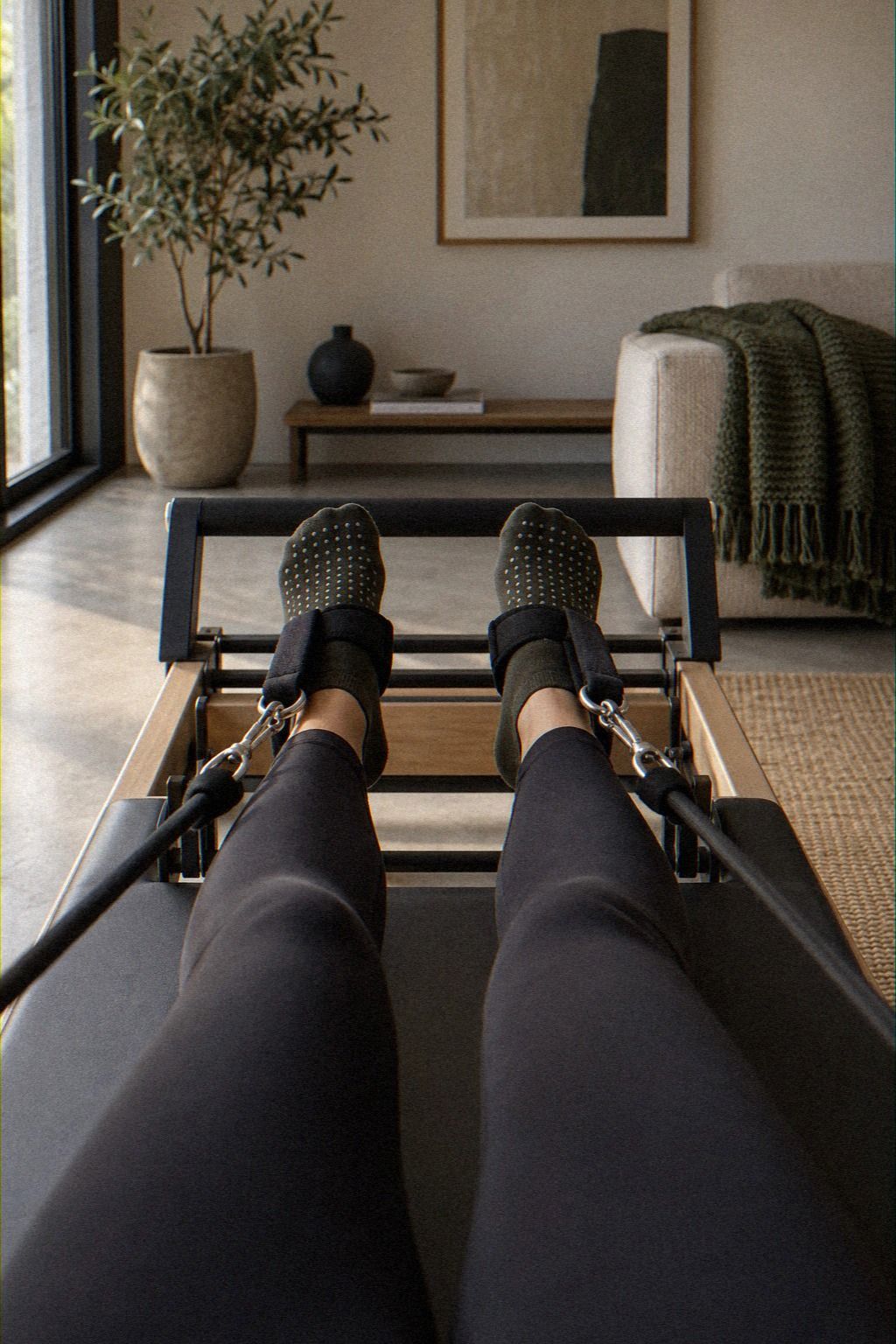
Style grip socks with cropped leggings when you want a practical finish that still looks deliberate. Clay leggings, linen-toned grip socks, and a fitted jacket in aged brass or soft neutral create a graphic, energetic combination. The exposed ankle makes a clear break between legging and foot.
Choose socks with grips placed across the ball and heel, then check that the cuff doesn’t cut into your ankle. A simple ribbed cotton blend often looks cleaner than a novelty pattern, especially if your leggings already have texture. Your sock color can match the top for a narrow, streamlined line or contrast with it for a more editorial outfit.
I’d skip a thick sock with a tight shoe because the extra bulk can change how your foot feels when you walk outside. Bring slides or clean sneakers for the commute instead. Organic cotton terry can feel soft after class, while a thinner knit may work better beneath roomy trainers.
A practical sock is a smart buy when your studio requires grip, but there’s no need to purchase five pairs immediately. Start with one neutral pair and check how often you actually use it.
The One-Anchor Rule I Keep Using
I keep returning to one anchor: a garment with the right fit and a fabric that behaves. That might be a high-rise legging, fitted tank, or cropped jacket with a clean shoulder. Once that piece works, your other choices become easier.
You’re no longer asking every garment to perform.
A striking top can still be the wrong purchase if the base layer shifts whenever you reach overhead. Judge clothing during movement instead of admiring it while standing still. A polished outfit that needs constant fixing isn’t polished for long.
I’d also choose a quiet neutral over a loud logo when you want more wear from the same pieces. Black, espresso, graphite, and muted green can move between class, errands, and travel.
Add one bright sock or warm jacket when you want energy. Your shopping list stays shorter.
The point isn’t to look identical to everyone else. It’s to know why each piece is there.
Your waistband keeps the base steady. Your fabric follows movement. Your layer gives the outfit a life beyond the studio.
That’s enough.
A Few Things Worth Answering
What is the best reformer Pilates outfit for a small Pilates wardrobe?
A high-rise legging with flat seams and a fitted tank is the strongest starting point because the base works across several looks. Add a cropped jacket and grip socks, then change the color of one layer. You’ll get more outfits without buying complicated pieces.
Where can I buy reformer Pilates pieces on a budget?
Look at sales, reputable secondhand shops, and stores with clear return policies. A clean used base can cost less than a new statement piece, but check the gusset, waistband, and fabric surface before buying. This first-class clothing guide can help you narrow the list before spending.
How much does a reformer Pilates outfit makeover cost?
A full refresh can range from about $100 to $300, depending on how many pieces you replace. You don’t need a new wardrobe: keep your best legging, add one fitted top, and choose one smooth outer layer. Free outfit testing starts with sitting, squatting, and walking in what you own.
Can I create a reformer Pilates outfit on a budget?
Yes, and you can start without shopping. Your existing basics may already work if the waistband stays flat, the fabric remains opaque, and the seams don’t twist. Remove sharp jewelry, use a simple layer, and buy grip socks only if your studio requires them.
Is a reformer Pilates outfit worth it in a small wardrobe?
Yes, because a small wardrobe makes repeated outfit formulas easier. One reliable base saves time before class and travels well.
Choose black or charcoal leggings, then rotate cream, olive, and muted blue tops. Your pieces will coordinate without looking identical.
Is a reformer Pilates outfit a good idea for a rental lifestyle?
Yes. Choose clothing that needs no special storage or alterations.
A small hanging organizer protects your activewear without taking over your space, and a washable pouch keeps jewelry and hair ties together. Fold leggings flat so the waistband and gusset don’t become distorted.
Where I’d Start First
If I had to pick one step, I’d start with flat-seam leggings. They solve several problems at once: rubbing, bunching, visible lines, and awkward movement.
Choose a matte pair with a stable waistband, then build the rest around it. Test your outfit before you leave, and keep the next purchase focused on fit, fabric, and repeat wear.