
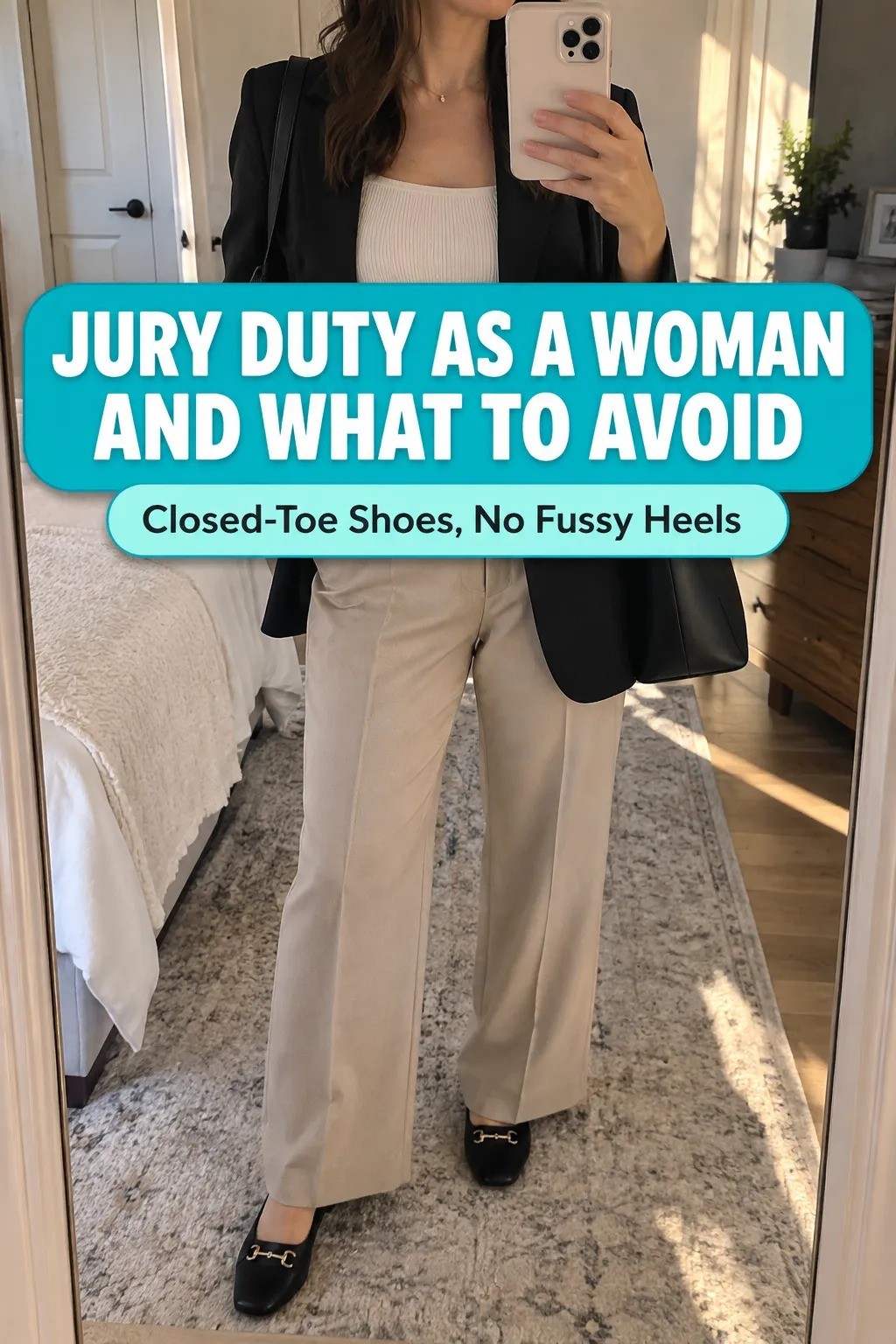
What to wear to jury duty as a woman should look polished, modest, and comfortable enough for a long day. Start with a neat blazer, tailored trousers, or a simple midi dress. Add quiet shoes and a structured bag. You don’t need a new wardrobe. You need a clear plan!
- Start With Court-Appropriate Outfit Guidelines: The Respectful Baseline
- Pick a Polished Blazer and Trousers: The Two-Column Rule
- Why a Modest Midi Dress Works: The Quiet Column
- Pair Flats With a Structured Tote: The Walk-and-Wait Formula
- The Courtroom Edit: Layer a Lightweight Cardigan for Comfort
- Keep Necklines and Hemlines Conservative: The Coverage Check
- Select Neutral Colors With Subtle Patterns: The Low-Noise Palette
- Avoid Graphic Tees and Slogan Clothing: The Message-Free Rule
- Ripped Denim or Tailored Trousers? The Clean-Edge Test
- Wear Comfortable Shoes for Long Waits: The Stable-Step Method
- Pack a Minimal, Professional Handbag: The Quiet Carry
- Plan Layers for Changing Court Temperatures: The Three-Layer Balance
- Remove Noisy Jewelry and Oversized Accessories: The Silent Detail Rule
- Keep Makeup and Nails Neat: The Finished-Hand Detail
- Which Fabrics Stay Comfortable While Sitting? The Airflow Test
- Check Court Rules Before Getting Dressed: The Local-Rule Check
- Prepare a Simple Backup Jury Outfit: The Two-Option Finish
1Start With Court-Appropriate Outfit Guidelines: The Respectful Baseline
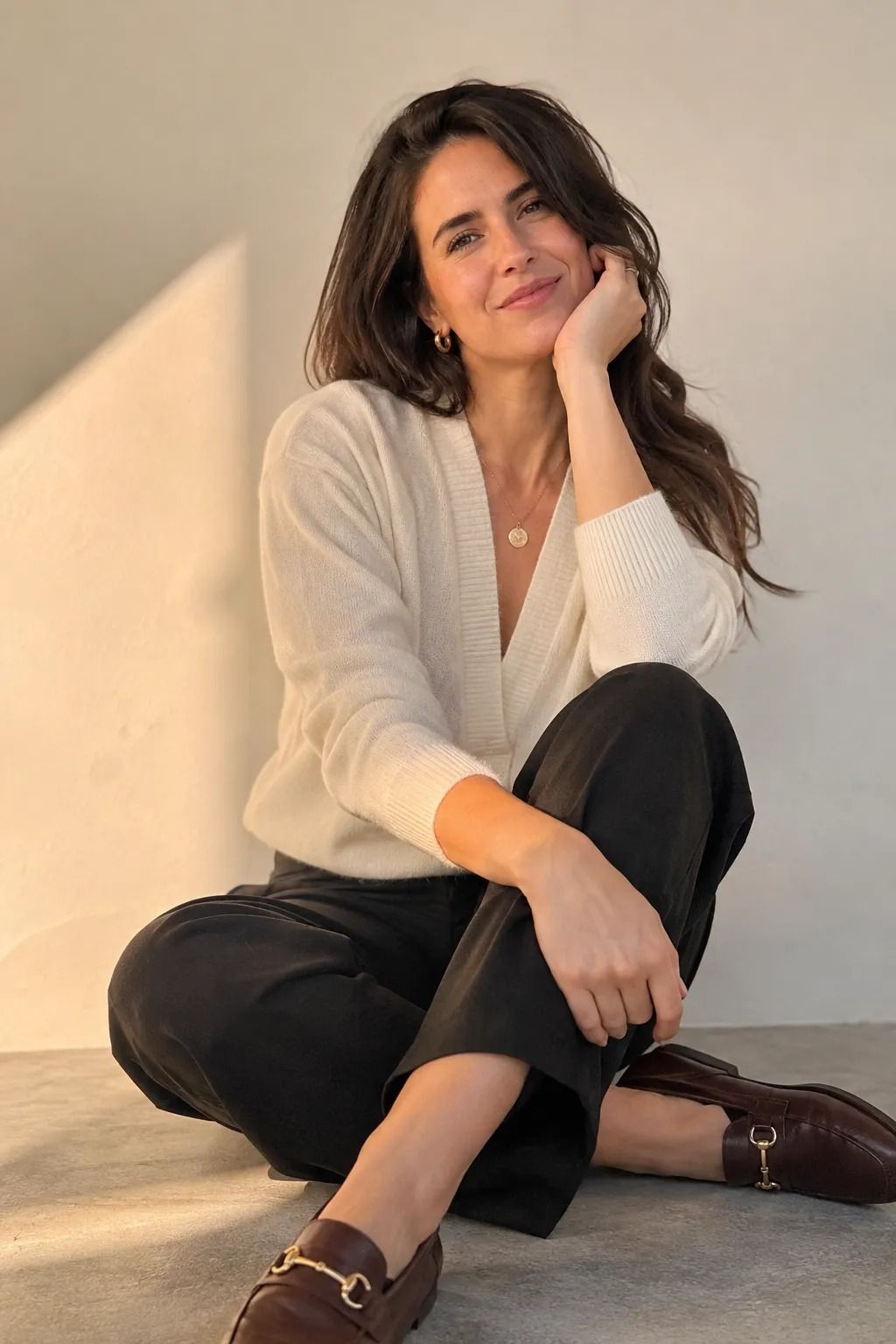
Begin with one clean, refined outfit. It should let you sit, stand, walk, and wait without constant adjusting.
A cotton-poplin shirt, straight-leg trousers, and a lightweight wool blazer create an elegant foundation. The look feels intentional without becoming stiff or overly formal.
Think polished rather than flashy. Your outfit should be opaque, wrinkle-aware, and easy to move in.
A muted navy, charcoal, cream, or soft taupe palette keeps attention on your words and conduct. I’d skip anything that needs frequent tugging, retucking, or mirror checks.
A quiet outfit gives you one less thing to manage.
If you’re unsure, review this guide to wardrobe staples that create polished outfits. The useful principle is simple: comfort and respect can exist in one look.
2Pick a Polished Blazer and Trousers: The Two-Column Rule
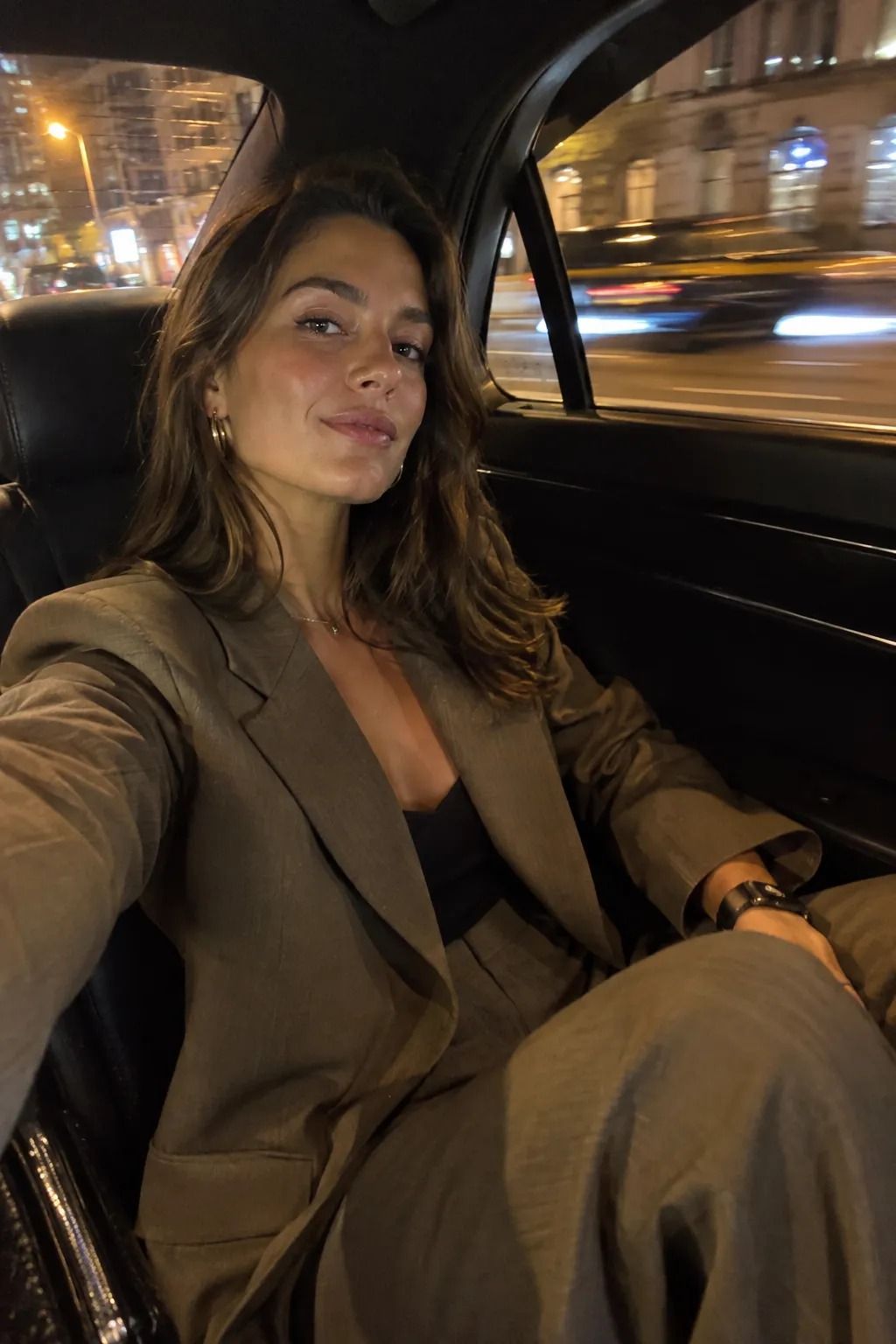
Choose a blazer and trousers that share one visual line. They don’t need to be a matching suit. A softly structured navy blazer with charcoal ponte trousers looks composed.
A cream linen-blend blazer with dark straight-leg trousers feels lighter and more relaxed.
You’ll want enough room through the shoulders and hips. The jacket shouldn’t pull when you sit.
Check the trouser hem before you leave. It should skim the top of your shoe, not bunch around the ankle.
A mid-weight fabric is more forgiving than thin polyester. I’d avoid an oversized blazer with very wide trousers for this setting. The proportions can become distracting.
A tailored line usually feels cleaner and more confident.
If you’re borrowing pieces from your existing closet, test the full outfit while seated. These fashion mistakes and better alternatives can also help you spot proportions that feel dated or uncomfortable.
A useful budget rule is to buy the anchor piece first. If you already own trousers and loafers, a polished blazer may be worth the cost.
It can work for interviews, appointments, and other formal days. Your best value usually comes from a versatile layer you’ll wear repeatedly.
3Why a Modest Midi Dress Works: The Quiet Column
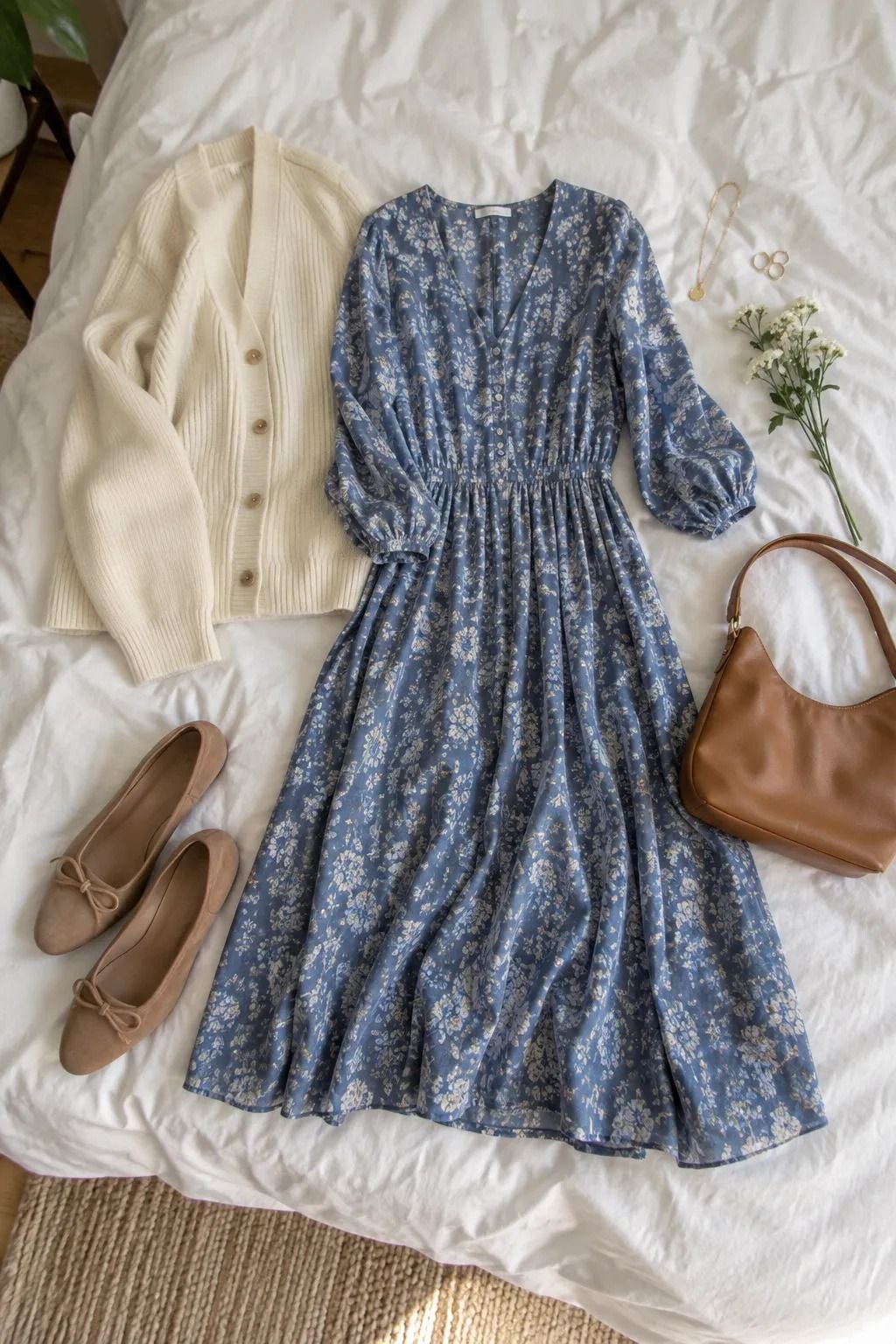
A modest midi dress can be the easiest jury duty outfit.
4Pair Flats With a Structured Tote: The Walk-and-Wait Formula
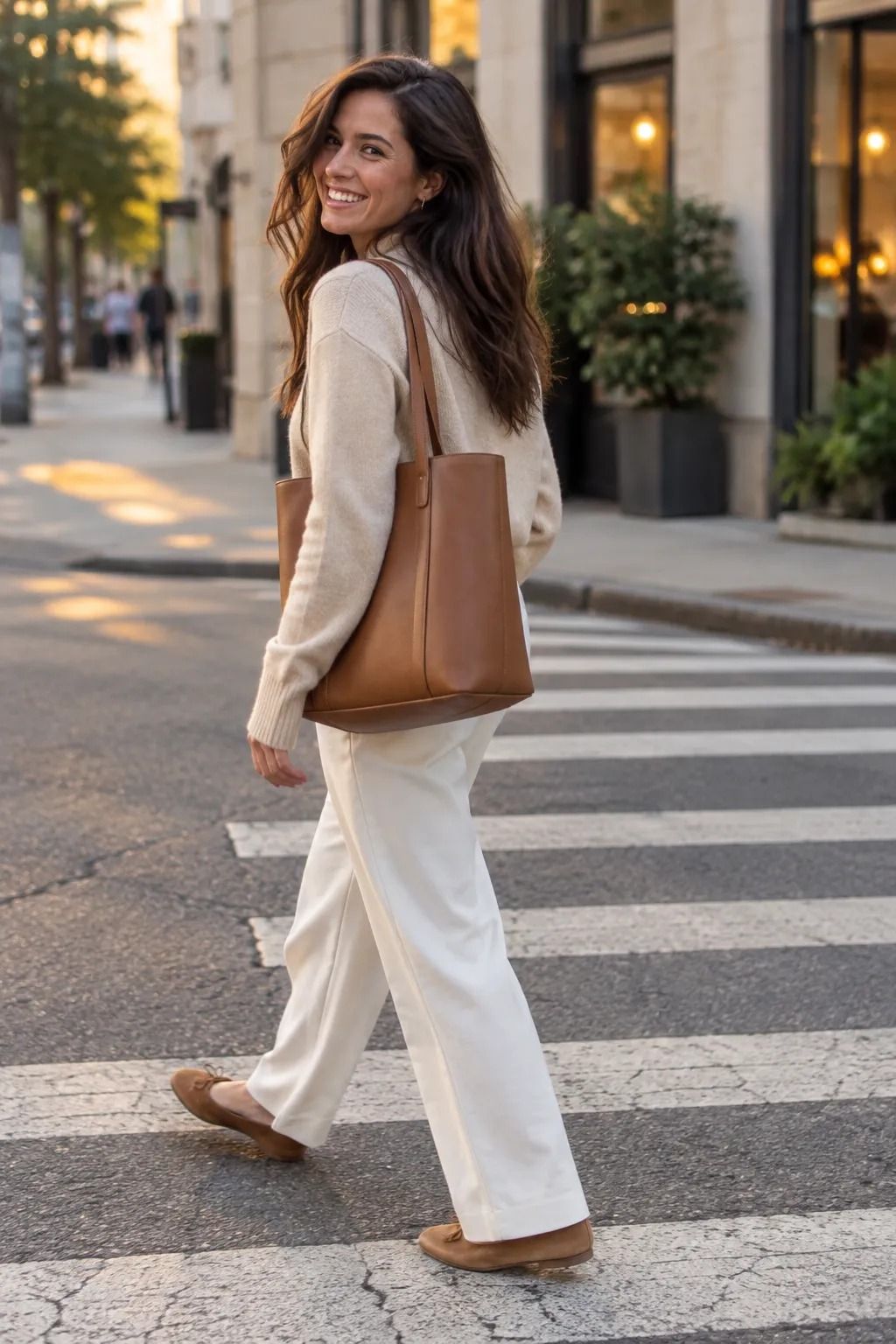
Choose shoes that can handle walking, standing, and a long period of sitting. Leather loafers, almond-toe flats, or low block heels in black, brown, or deep burgundy keep the look refined. You’ll want a sole with reliable grip and a shape that doesn’t pinch your toes.
Pair them with a structured tote in smooth leather, pebbled leather, or a durable woven material. The bag should hold your identification, summons, phone, water, and a small notebook.
I’d skip a very soft slouchy bag. You may spend too much time searching through it.
Don’t choose shoes only because they look elegant in a mirror. Walk across your home, climb a few stairs, and sit down before you commit. If you’re comparing practical proportions, this guide to common fashion mistakes is useful.
Your feet won’t care how attractive the shoe looked online if it rubs by lunchtime. A familiar, reliable pair is often the smarter choice!
5The Courtroom Edit: Layer a Lightweight Cardigan for Comfort
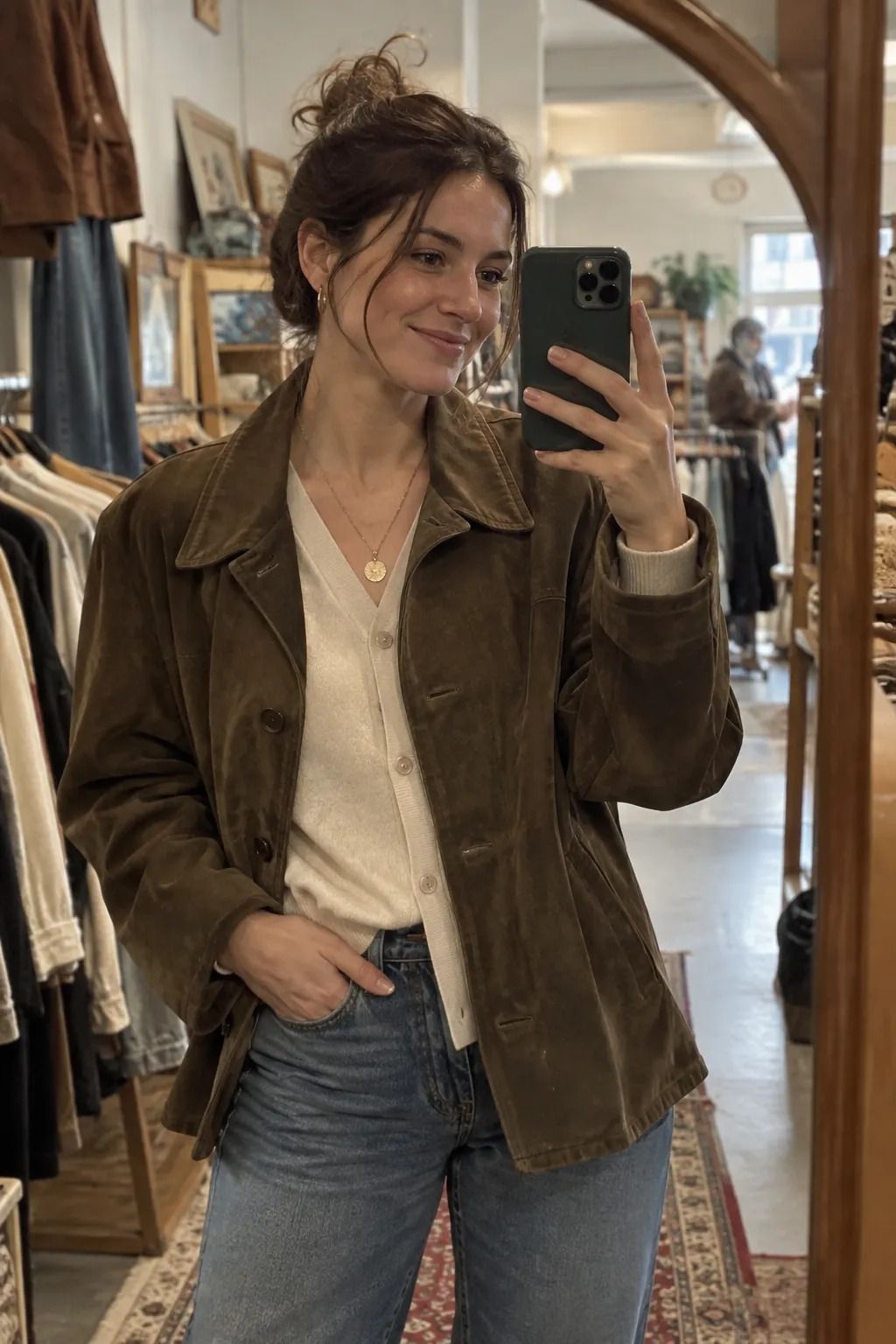
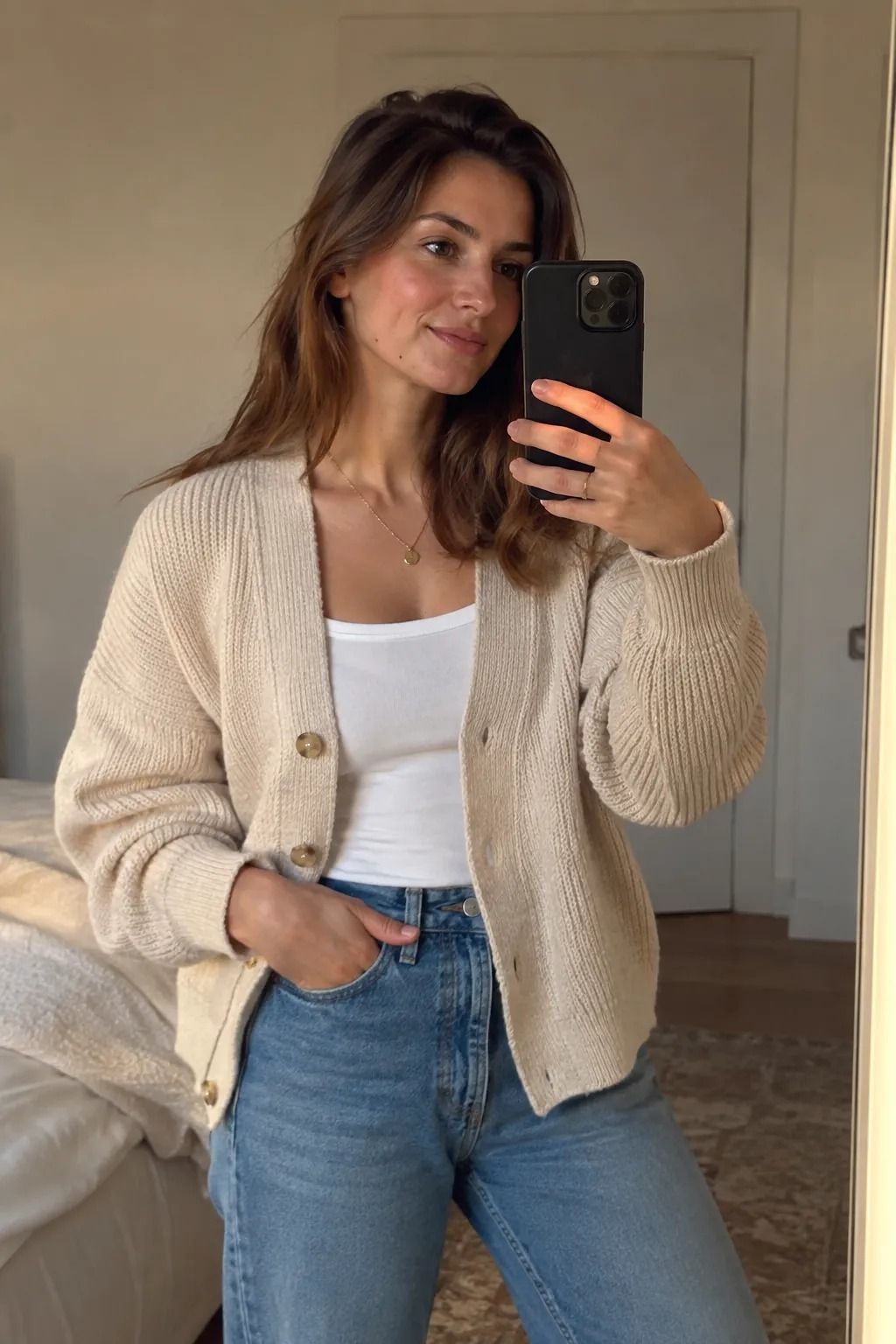
A fine-gauge merino cardigan or cotton-modal cardigan gives you a layer that looks deliberate. Pick one in oatmeal, charcoal, navy, or muted green. Wear it over a crisp shirt or simple sleeveless dress with adequate coverage.
You’ll want the fabric to sit close enough to look neat. It shouldn’t grip your arms or bunch behind your back. A cardigan is especially useful when your outfit has one strong tailored piece and needs a softer counterpoint.
The texture of merino wool can make a plain trouser outfit feel more welcoming. A smooth cotton knit looks cleaner with a dress. I’d avoid a long, chunky cardigan with a loose hem.
It can become awkward when you sit.
If you’re testing a vintage jacket or cardigan, check the buttons and cuffs. Don’t judge only the color. This wardrobe staples guide makes the same practical point: the best layer is the one you’ll reach for without hesitation.
6Keep Necklines and Hemlines Conservative: The Coverage Check
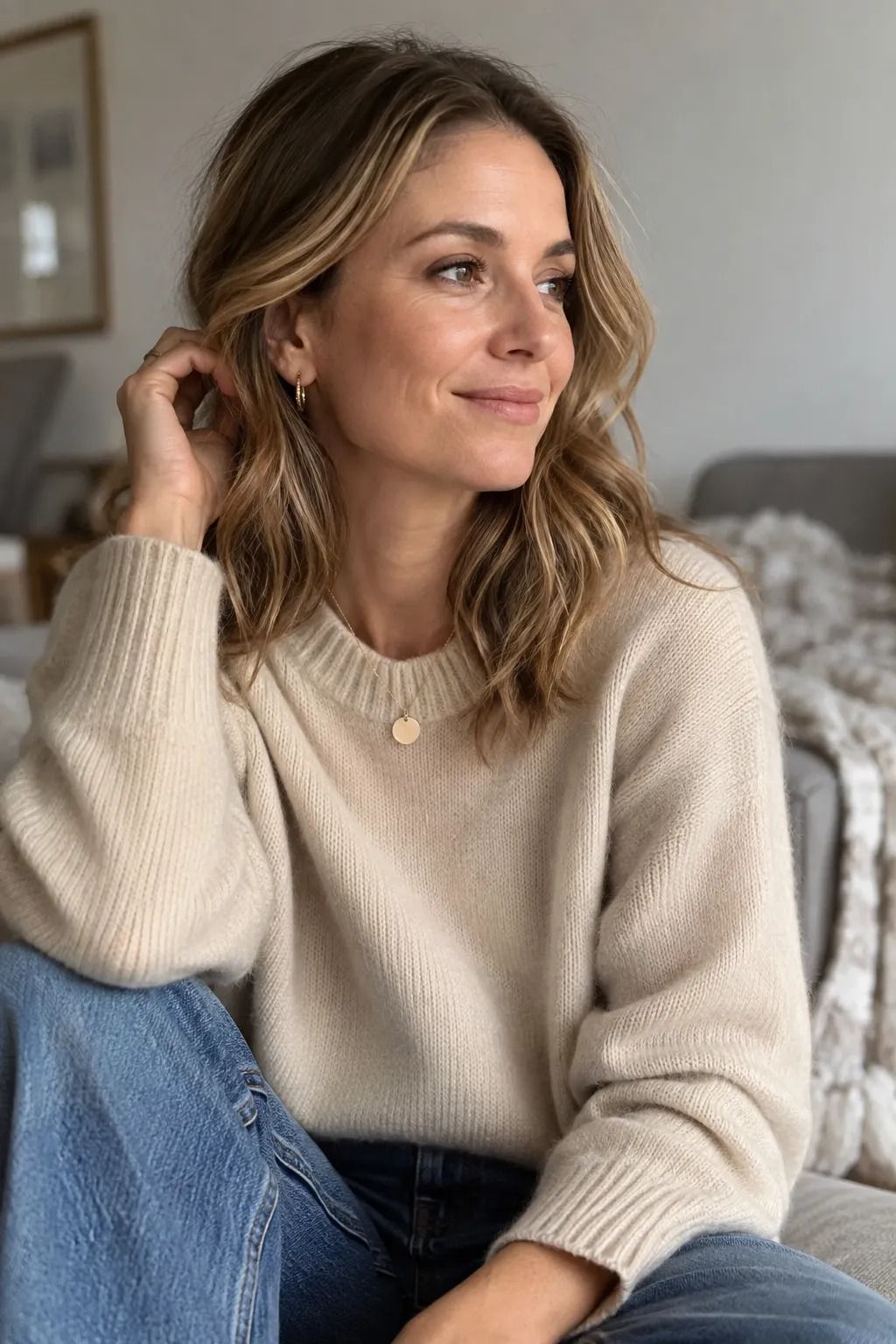
A neat crew neck, shallow V-neck, boat neck, or modest square neck gives an outfit a composed finish. You’ll want the neckline to stay in place when you bend toward a document or lean forward in a chair.
Test it with the exact underlayer you’ll wear. A shirt can look covered while standing and shift when you sit. For hemlines, aim for a length that lets you cross your legs or walk up stairs without constant adjustment.
A midi skirt, tailored trouser, or knee-length dress with opaque fabric can work well. I’d skip extreme slits, very thin straps, and cutout details. They may make you think about your clothes all day.
Use a smooth cotton camisole or fine jersey base layer if it helps the outfit sit neatly. This isn’t about hiding your body. It’s about keeping your attention on the day rather than on your neckline.
Your outfit should feel considered, not restrictive. A well-fitted garment can be modest and still look modern, graceful, and quietly confident.
7Select Neutral Colors With Subtle Patterns: The Low-Noise Palette
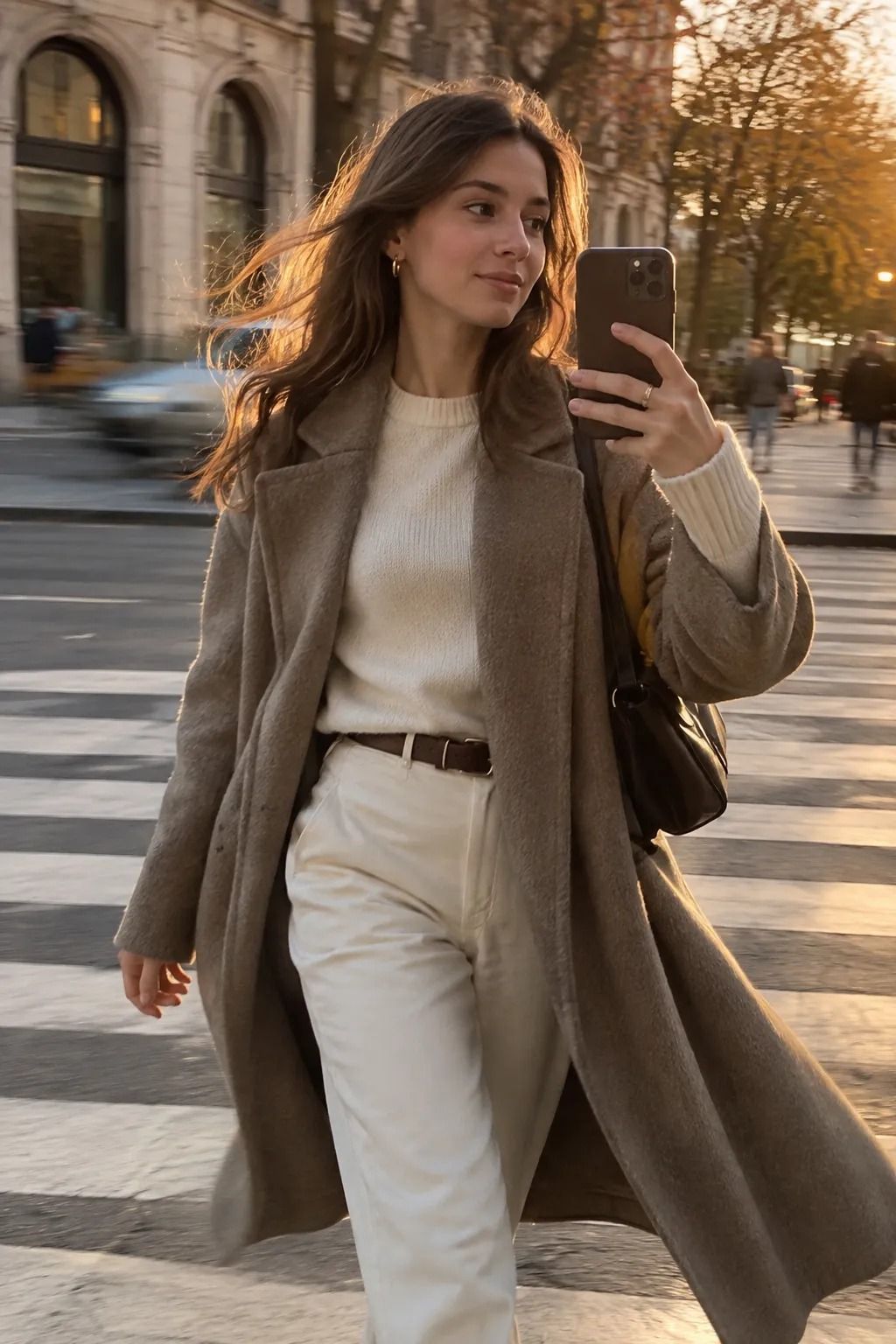
Start with one quiet base color. Add only one restrained pattern if you want visual interest. Navy with a fine cream stripe, charcoal with small houndstooth, or taupe with a muted windowpane can look polished without feeling severe.
You’ll want the contrast to remain readable under bright indoor lighting. A subtle pattern can also disguise minor wrinkles during a long day. Choose a matte wool blend, cotton twill, or crepe rather than glossy satin.
I’d avoid neon shades, oversized florals, and high-contrast slogans. They can dominate your whole appearance.
Neutral doesn’t mean colorless. A deep forest-green blouse, dusty-blue cardigan, or muted-plum flat can add a refined, inviting note.
If you’re unsure about balance, this fashion guide for avoiding aging outfit choices can help you keep the color deliberate rather than automatic.
One strong accent often gives better value than several inexpensive accessories. A muted bag or polished shoe can refresh pieces you already own.
8Avoid Graphic Tees and Slogan Clothing: The Message-Free Rule
Leave graphic tees, political slogans, novelty phrases, and oversized logos for another day.
9Ripped Denim or Tailored Trousers? The Clean-Edge Test
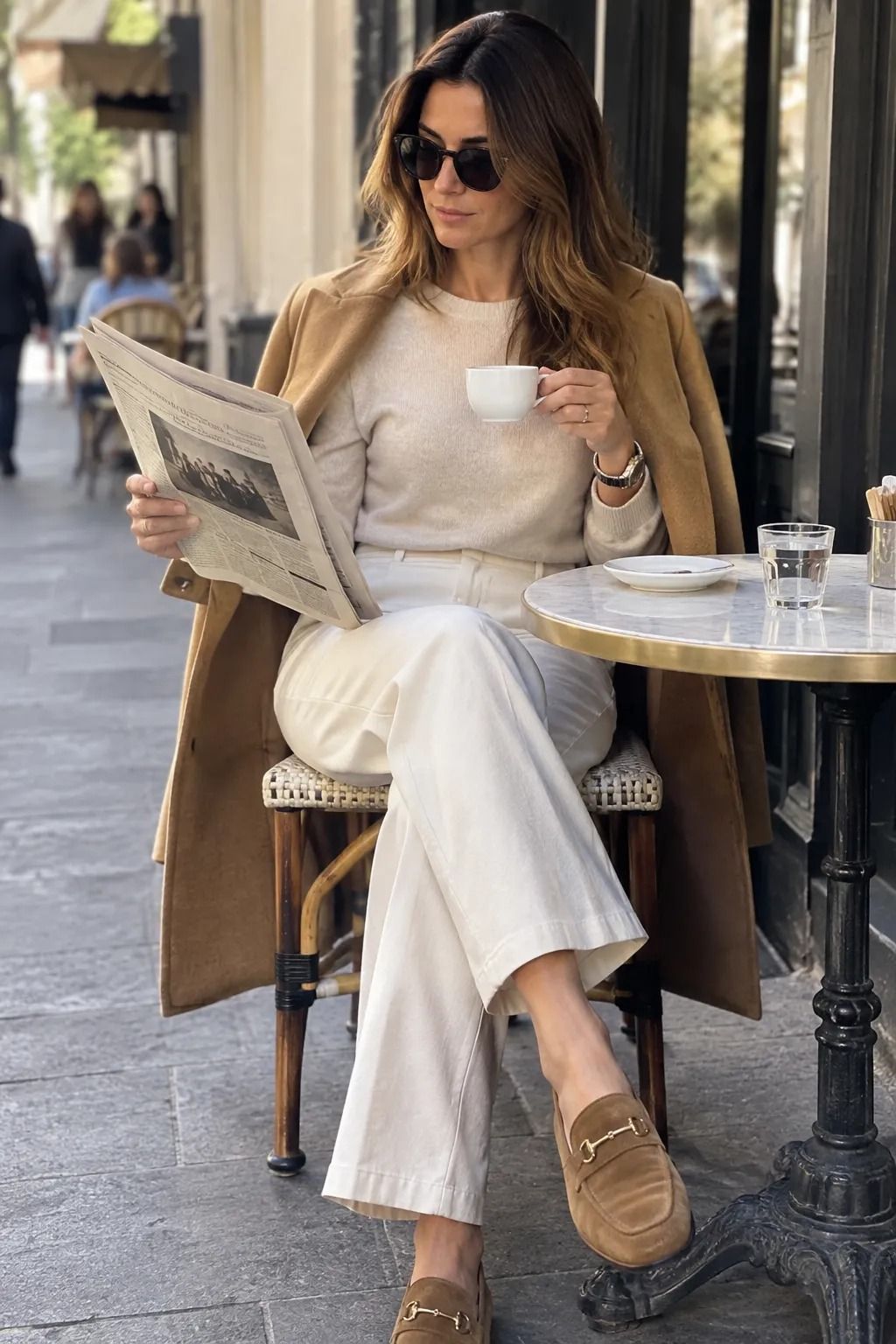
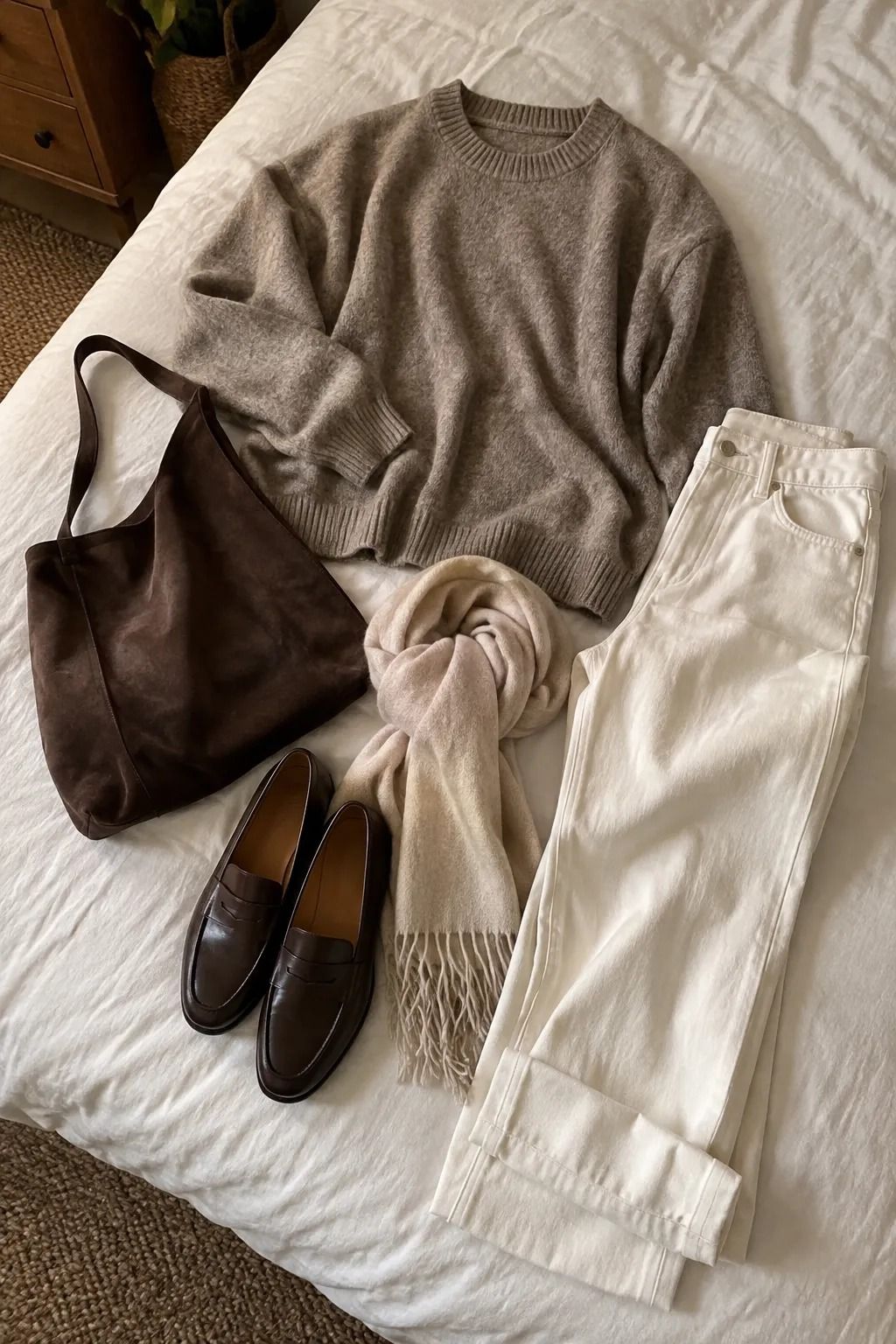
Distressed denim, frayed hems, large cargo pockets, and excessive hardware can make a thoughtful outfit look casual in the wrong way. You’ll want smooth edges, controlled proportions, and fabrics that hold their shape.
Dark, unwashed denim may work in some settings. Tailored trousers are the safer choice when you don’t know the local expectations. If denim is your only practical option, select a dark straight-leg pair with no rips, fading, or decorative stitching.
Pair it with a cotton shirt, fine merino cardigan, and leather loafers. This jeans styling reference may help you judge the rise and proportion before you choose.
A small detail can be enough: one horn button, a narrow belt, or a plain metal watch. Skip oversized buckles and dangling hardware that clatters when you move.
This is where tailored trousers often offer better value than buying several casual pieces that don’t work together. The outfit feels deliberate without looking overworked.
10Wear Comfortable Shoes for Long Waits: The Stable-Step Method
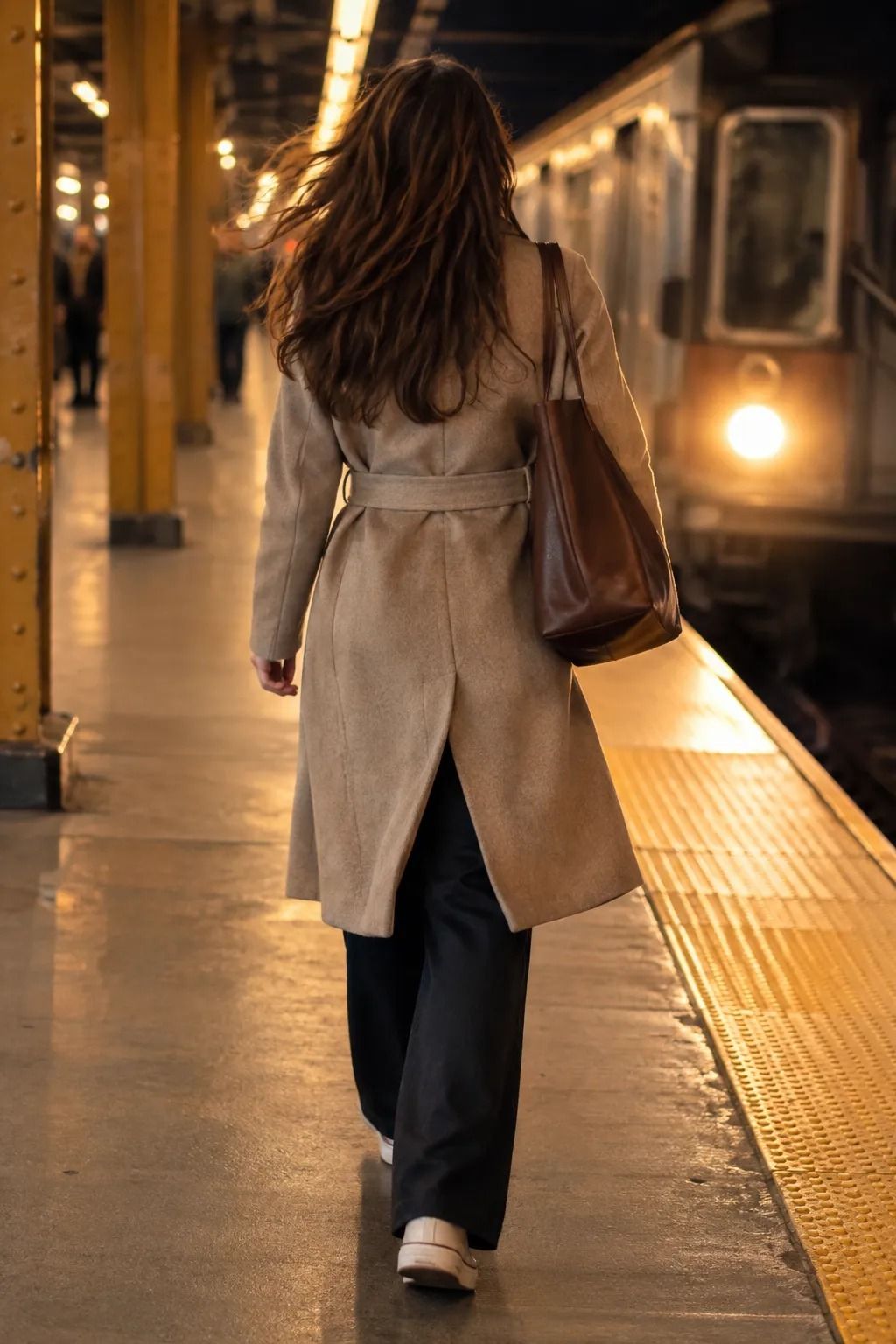
Choose a shoe you’ve already worn for ordinary walking. Don’t try a new pair on jury duty morning. Soft leather loafers, low-profile ballet flats, or a stable block heel can work if they don’t rub.
You’ll want enough room for your toes and a heel that doesn’t make you concentrate on every step. Bring a small pair of plain socks or hosiery if they work with the shoe and weather.
A breathable cotton blend can make a closed shoe feel more manageable than bare feet. I’d skip tall stilettos, delicate sandals, and stiff new leather. Waiting areas rarely reward dramatic footwear.
Comfortable doesn’t mean visibly worn out. Wipe the shoe clean, check the heel, and remove loose threads from the laces or lining. You’re choosing stability, not surrendering style.
A familiar pair usually delivers better value than an impressive new purchase.
11Pack a Minimal, Professional Handbag: The Quiet Carry
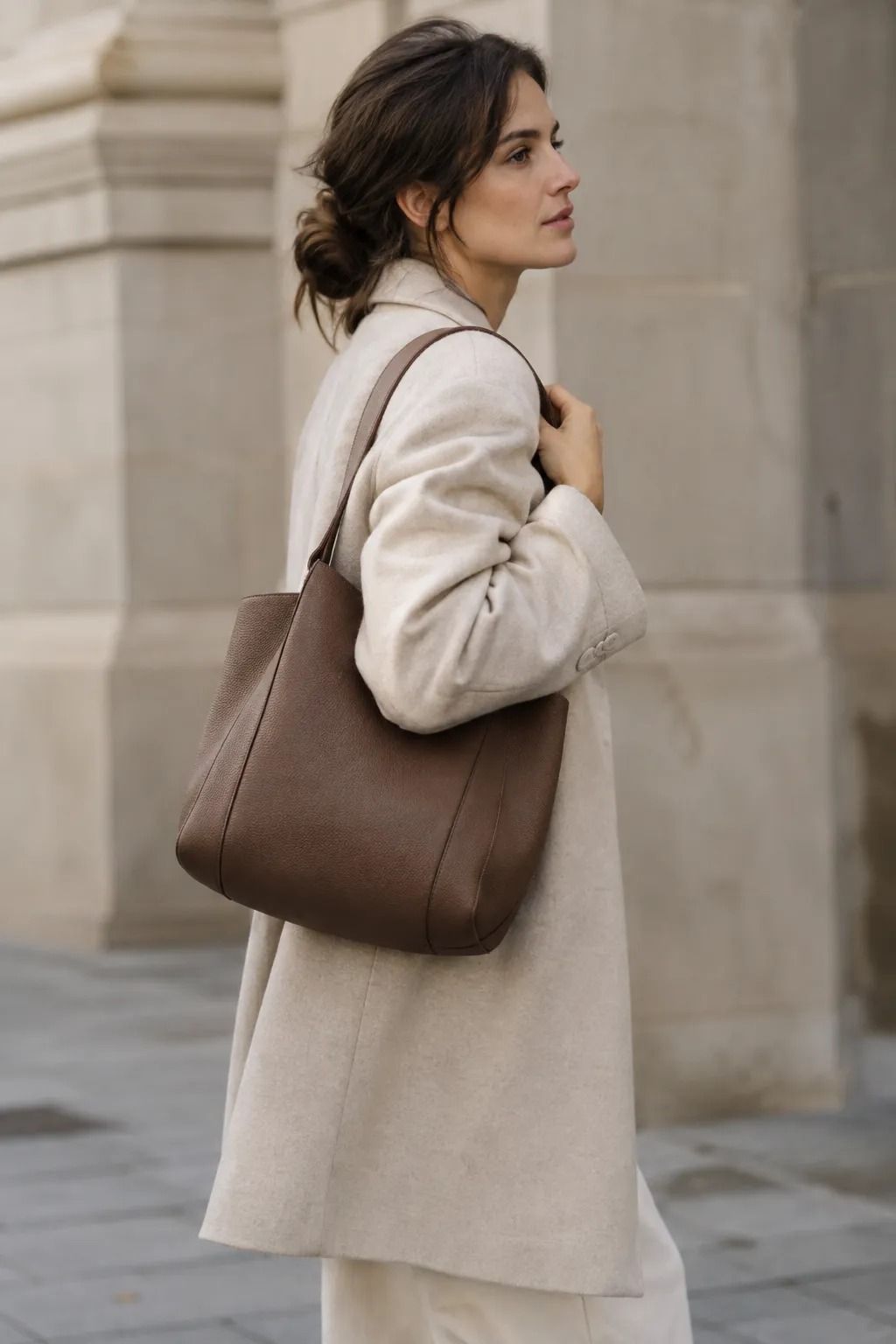
Select a medium structured handbag that closes securely. It should keep its shape when you set it down. Smooth leather, pebbled leather, or firm canvas can all work, depending on the rest of your outfit.
You’ll want enough space for required documents, identification, phone, pen, water, and one small personal item. Keep the contents simple. A slim cardholder, compact tissue packet, charging cable, and one pen are usually easier to manage than a full daily bag.
I’d skip a noisy chain strap, oversized logo, or bag covered in charms. Those details can distract in a quiet room. Before you leave, place the items in the same pockets you’ll use at the courthouse.
That small habit means you won’t have to empty the bag while people are waiting. One reliable tote can be a better budget choice than several small bags that don’t hold what you need.
Here’s a rough planning guide. These are budgeting ranges, not quoted store prices:
The most worthwhile purchase is usually the piece that works with at least three other garments. That’s where the real value is.
12Plan Layers for Changing Court Temperatures: The Three-Layer Balance
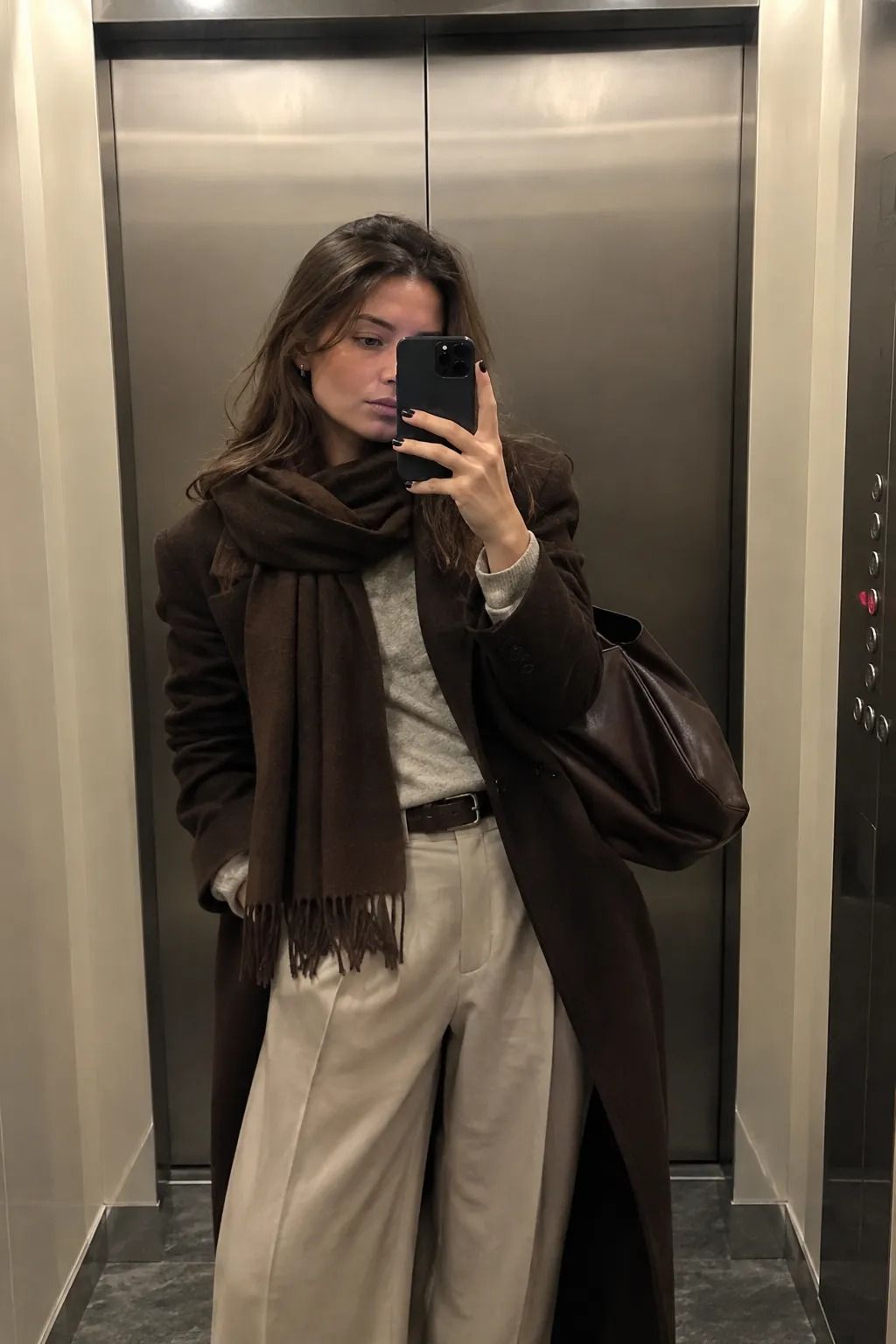
Build your outfit from a breathable base, a polished middle layer, and one optional light layer. A cotton-poplin shirt beneath a wool-blend blazer gives you structure. A fine cardigan can replace the blazer if the day feels more relaxed.
You’ll want each layer to work on its own. The outfit shouldn’t depend on the entire stack. Avoid fabrics that trap heat, especially if you’ll be waiting or sitting for a long time.
Lightweight merino, cotton jersey, linen blends, and matte crepe can feel more manageable than thick synthetic fleece. I’d skip a bulky scarf unless you truly need it. It can become awkward in a crowded seat.
Don’t pile on every layer you own. Try the complete outfit at home.
Sit for ten minutes with your arms crossed and your bag beside you. If the sleeves bunch or the collar rubs, change it now!
This spring fashion mistakes guide is also useful when your outfit starts accumulating too many competing details. A polished look often needs fewer pieces, not more.
13Remove Noisy Jewelry and Oversized Accessories: The Silent Detail Rule
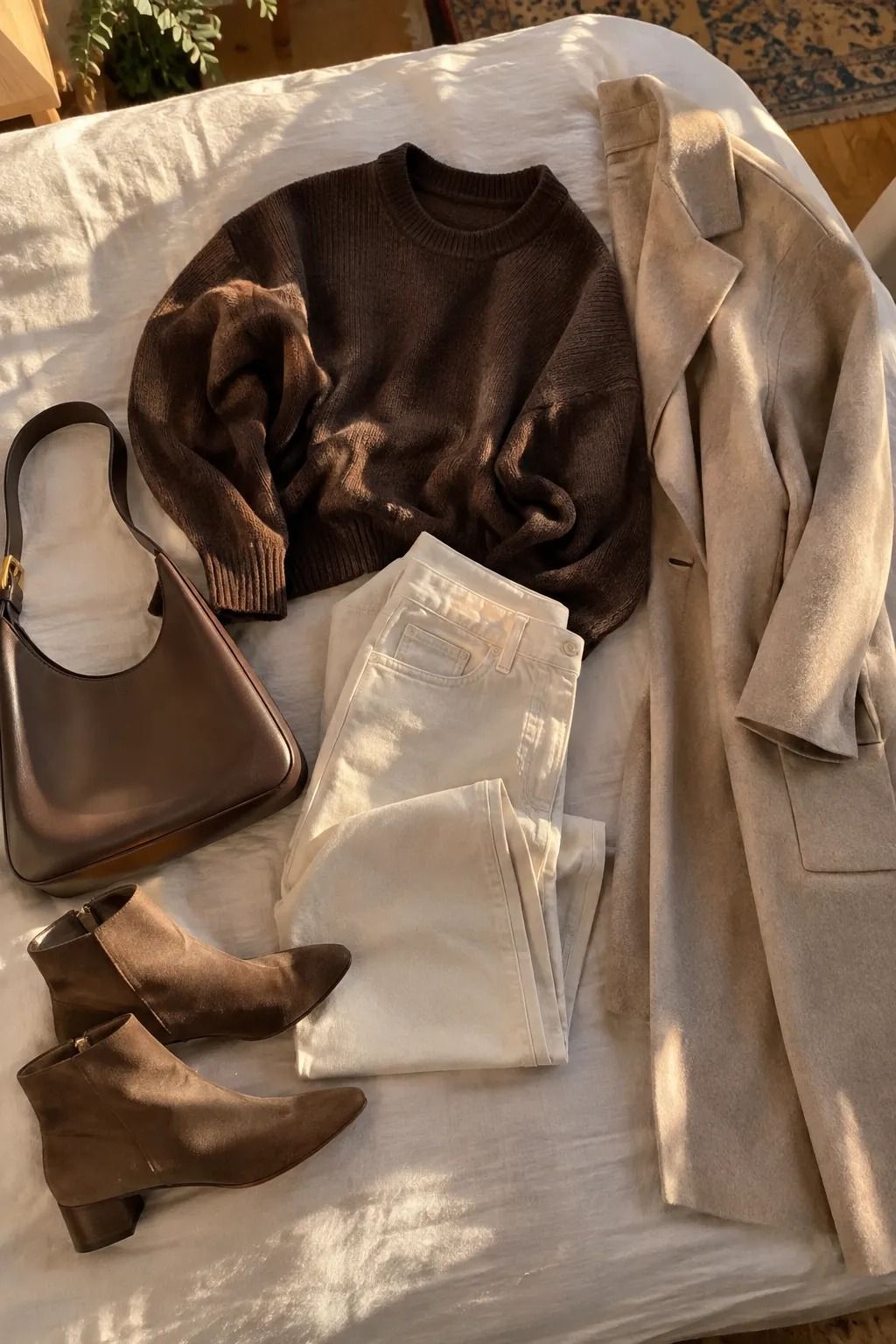
Choose small earrings, a slim watch, or one simple ring instead of a full stack of moving pieces. The goal is a neat finish, not a collection of distractions.
A gold-tone or silver-tone stud can add polish to a plain blouse. A narrow belt can define the outfit without becoming the focal point. If your blazer has a strong shape, keep the accessories especially quiet.
I’d avoid large bangles, jangling charms, oversized hoops, and long necklaces that swing when you lean forward. They may look striking in a photo but feel distracting during a long appointment.
One thoughtful detail is usually enough. It can make the outfit feel finished, personal, and calm.
14Keep Makeup and Nails Neat: The Finished-Hand Detail
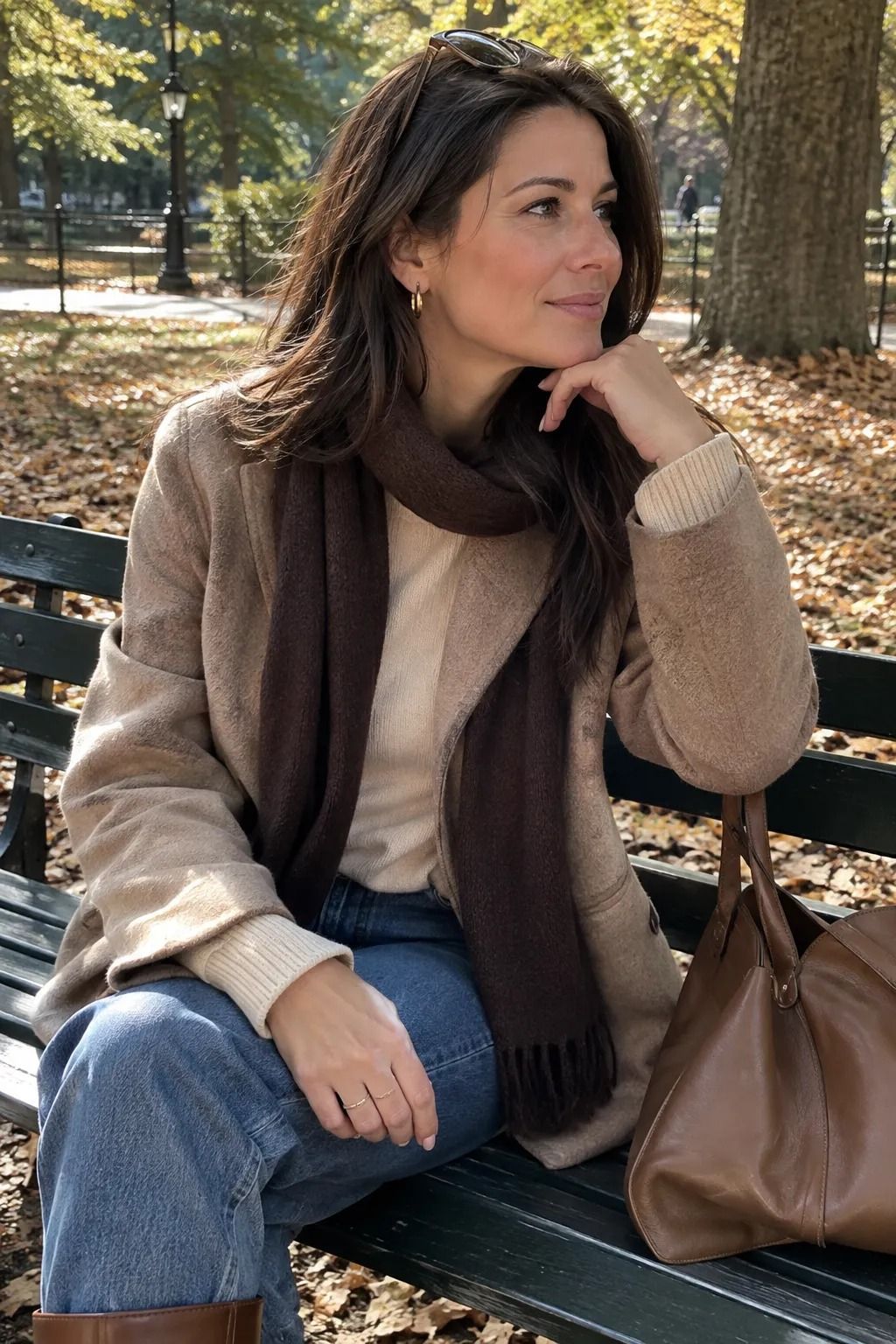
Keep your makeup simple and your nails clean, tidy, and comfortable for the day.
15Which Fabrics Stay Comfortable While Sitting? The Airflow Test
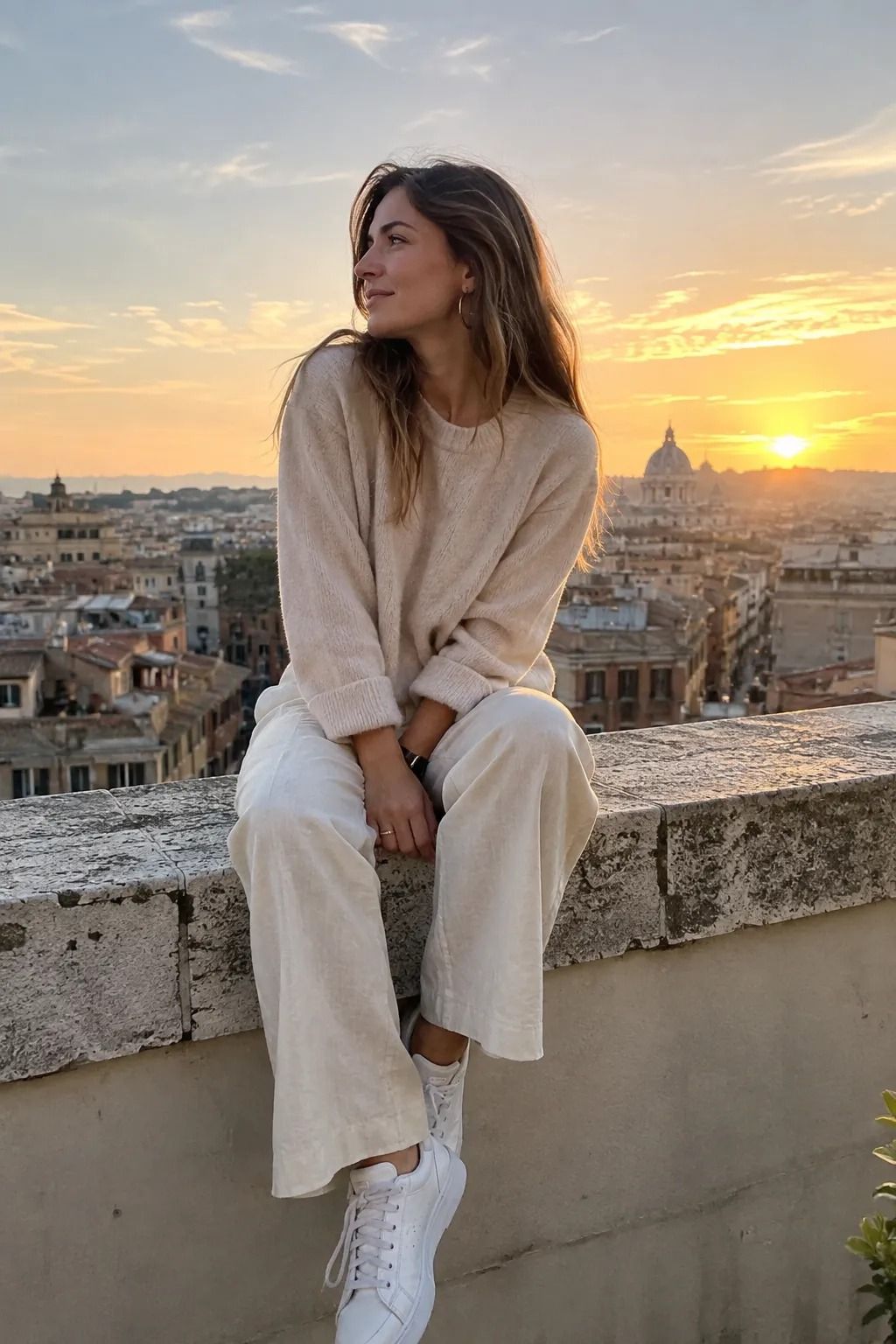
Choose fabrics that feel comfortable during a long period of sitting and maintain a clean line afterward. Cotton, linen blends, lightweight merino, and matte crepe are useful starting points.
Look for fabric with enough body to avoid clinging. Very thin polyester may show every crease. Thick fleece may feel too bulky beneath a blazer.
A mid-weight textile often gives the most balanced result.
Texture matters, too. A softly brushed cardigan can make tailored trousers feel more relaxed. A crisp poplin shirt can sharpen a simple cardigan and skirt.
The best fabric is the one that supports the outfit without demanding constant attention.
16Check Court Rules Before Getting Dressed: The Local-Rule Check
Read the summons, courthouse website, or official instructions before choosing your final outfit. Rules can differ by location. Your clothing plan should follow the guidance you’ve been given.
Confirm practical details such as identification, security restrictions, and whether certain items should stay at home. Use this quick outfit check before leaving:
Don’t rely on a friend’s courthouse experience as your only source. Your location may handle entry differently. This reference on avoiding outfit mistakes can help with styling, but official local instructions should decide what you bring and wear.
Once you’ve checked the rules, stop second-guessing every small choice. A clean blazer, modest dress, or tailored trouser outfit gives you a calm, confident starting point.
17Prepare a Simple Backup Jury Outfit: The Two-Option Finish
Choose one backup outfit that uses the same shoes and bag as your primary look. For example, keep a navy cardigan, cream cotton shirt, charcoal trousers, and leather loafers ready if your first outfit becomes uncomfortable.
You’ll want the backup to be complete, not a pile of unrelated pieces. Place both outfits where you can see them the night before. Check the buttons, remove lint, steam the hem, and put your documents beside the handbag.
I’d avoid creating a completely different style for the backup. That adds morning decisions when you’re already managing a schedule. A second option can help if the weather changes or a coffee spill appears.
Choose pieces in the same calm palette. Then you can swap one item without rebuilding the look. These dependable wardrobe staples are useful here because versatile basics make a backup feel intentional.
My Jury Duty Outfit Rule
A serious appointment doesn’t require a costume. It needs clothes that stay comfortable, respectful, and easy to manage after an hour of sitting. The waistband shouldn’t distract you.
The shoe shouldn’t make every step a project. The jacket shouldn’t feel stiff across your shoulders.
Start with movement. Sit down in the clothes, reach for a bag, walk across the room, and check the neckline from the side. If you’re thinking about the outfit every few minutes, it isn’t ready.
A woman’s jury duty outfit can still look like her, just slightly more edited. A navy blazer can feel personal with a muted green blouse.
A simple midi dress can look relaxed with leather loafers. A structured tote can carry practical things without turning into a display of labels.
I’d rather see one excellent fabric and a clean fit than five decorative details competing for attention. The outfit doesn’t need to announce authority.
It needs to show care. That’s a quieter form of confidence, and it works with cotton-poplin, merino wool, or a well-kept secondhand jacket.
You don’t need to spend the morning chasing an ideal look. You need clothes that let you stay present. That’s the whole point!
The Questions Worth Answering First
What is the best outfit for jury duty?
A blazer with tailored trousers, a modest midi dress, or a neat cardigan with a structured skirt can all work. I’d choose comfortable coverage and clean lines, then test the outfit while seated. Your clothes should look intentional without requiring constant adjustment.
Where can I find jury duty outfit pieces on a budget?
I’d start with your own closet, then check thrift stores, consignment shops, and practical retailers for cotton shirts, dark trousers, cardigans, and loafers. This wardrobe staples guide can help you identify useful basics. Fit matters more than labels, and a $0 closet solution may be the best value.
How much does a jury duty outfit cost?
It can cost nothing if you already own a polished layer, comfortable shoes, and a structured bag. If I needed replacements, I’d buy one useful piece at a time and set a budget before shopping. A complete outfit doesn’t require a new wardrobe, especially when neutral basics can work together.
Can I wear jeans to jury duty?
Dark, clean, non-ripped jeans may be accepted in some places, but tailored trousers are the safer choice when local guidance is unclear. If you wear denim, pair it with a structured blazer and polished shoes. This jeans styling reference can help you judge proportions before you commit.
What is the most common jury duty outfit mistake?
The most common mistake is choosing clothes that look polished while standing but feel uncomfortable when seated. I’d test the whole outfit first, including shoes, bag, and layers. Avoid loud slogans, distracting hardware, and pieces you’ll need to keep fixing.
Can I wear makeup and nail polish to jury duty?
Yes, if your usual makeup and nail routine feels neat and comfortable. I’d choose short nails, muted polish, and simple makeup so nothing becomes the focus. This natural nail shape guide offers restrained ideas, but familiar choices are best for a long day.
Where I’d Start First
If I had to pick one step, I’d start with comfortable tailored trousers. They’re less distracting than a fussy dress, easier to layer, and forgiving when you’re seated for hours.
Pin this guide for later, then build the rest around the pair that lets you forget your outfit. That’s a practical, polished place to start!