
The fastest way to style wedding guest outfits for your husband beyond the boring suit is to choose one strong piece, then keep everything around it quiet. I’ve found that texture, proportion, and shoe choice do more than a loud color ever will. You don’t need fifteen new outfits. You need fifteen clear decisions.
Before You Start: Dress Code First, Suit Last
Read the invitation before you choose a jacket. Black tie, formal, cocktail, garden, and smart casual weddings each allow a different level of looseness, and your husband’s outfit should respect that first. You’ll have an easier time styling him if you write down the dress code, venue, season, and ceremony time before opening the wardrobe.
The Dress-Code Ladder keeps the outfit from drifting. At the formal end, you’ll want polished tailoring and restrained accessories.
At the relaxed end, you can use linen, knitwear, or loafers, but you still need one refined element. A soft fabric can look elegant when the cut is clean.
It can look careless when every piece is loose.
These are rough planning ranges, not guaranteed prices. Secondhand finds, alterations, fabric quality, and what your husband already owns can change the total considerably. That one check can save you from buying the wrong outfit!
You don’t need a new wardrobe for each invitation. One dependable jacket, two trousers, and three shirts can give your husband several distinct looks if you change the texture and accessories.
- Start With a Textured Dinner Jacket
- Which Trousers Sharpen His Silhouette?
- Pair Loafers With Tailored Wedding Trousers
- Choose a Tonal Shirt and Blazer
- The Pocket-Square Pause
- Balance Bold Ties With Quiet Shirts
- Match His Belt to His Shoes
- Layer a Waistcoat Over a Crisp Shirt
- Select Linen Without Looking Too Casual
- Style Knit Polos for Smart Casual Weddings
- When Do Cufflinks Refine Simple Tailoring?
- Keep Patterns Focused on One Piece
- Plan Formal Looks Without Matching Suiting
- Coordinate His Outfit With Your Dress
- Finish His Look With Dress Socks
1Start With a Textured Dinner Jacket
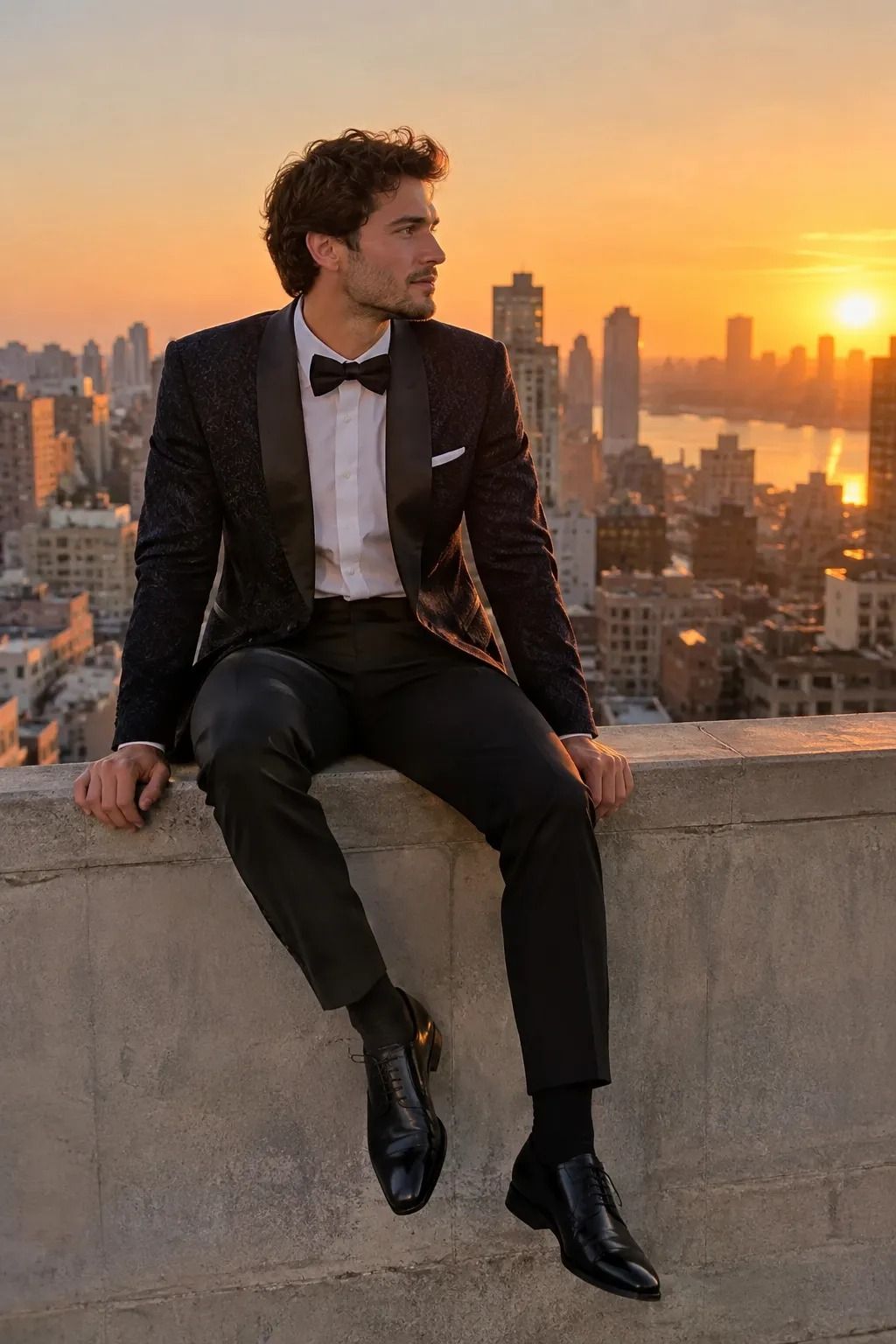
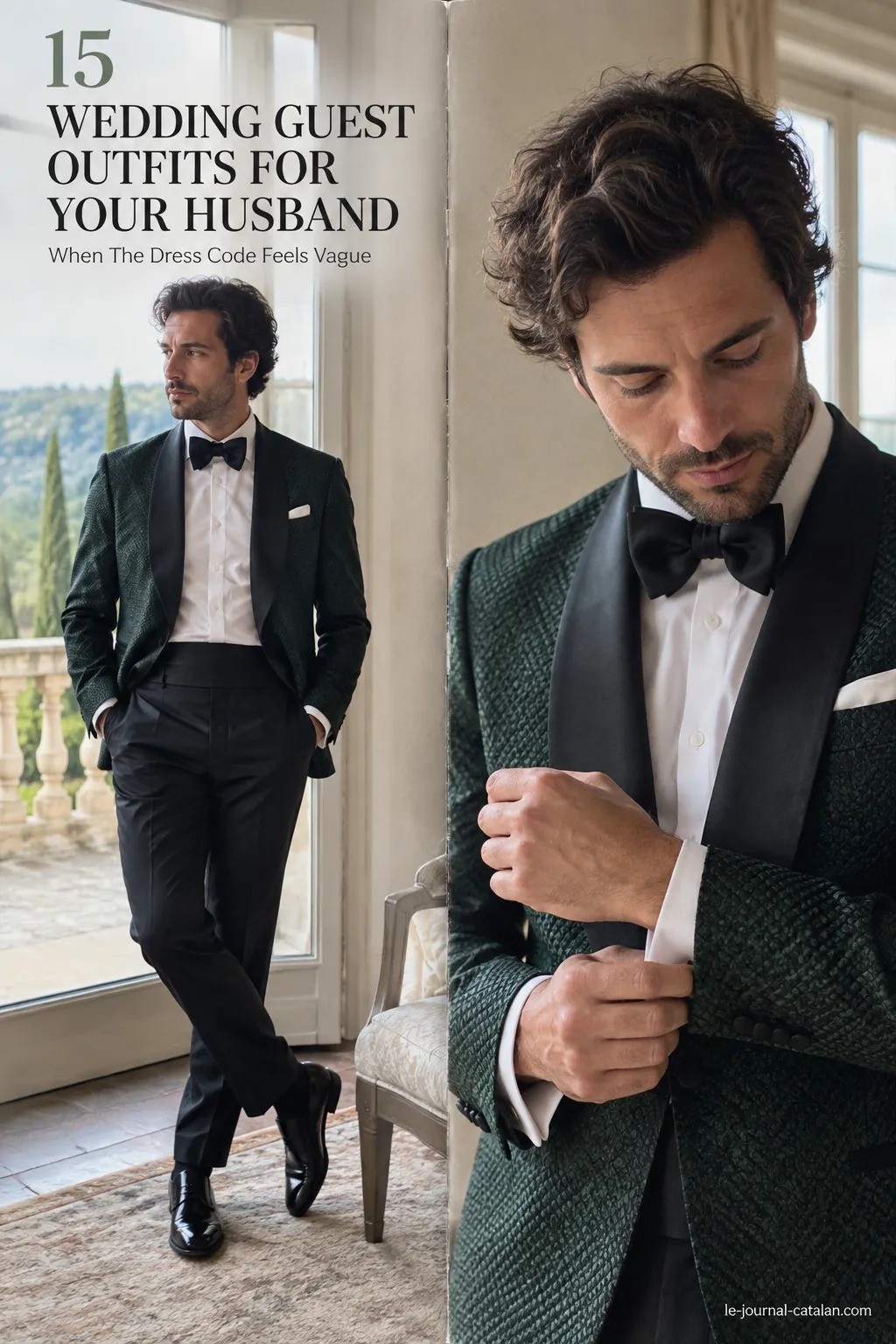
A textured dinner jacket gives your husband’s wedding outfit interest before you add a tie. Look for midnight navy jacquard or a subtle hopsack weave, especially if the invitation says cocktail or formal evening.
The surface should catch light gently, not sparkle from across the room. You’ll get a refined, dramatic effect without making the jacket feel theatrical.
Keep the shirt plain and crisp. A white poplin shirt is the safest anchor, while a pale blue shirt softens navy for a romantic venue. I’d skip shiny satin lapels unless the wedding is genuinely formal, because they can make an otherwise elegant outfit feel like a costume.
For a coordinated level of polish, browse this guide to black-tie wedding guest dress styling.
The jacket should be the first thing people notice, but your eye should still rest on the shirt, trousers, and shoes. That balance keeps the outfit memorable without making it loud.
2Which Trousers Sharpen His Silhouette?
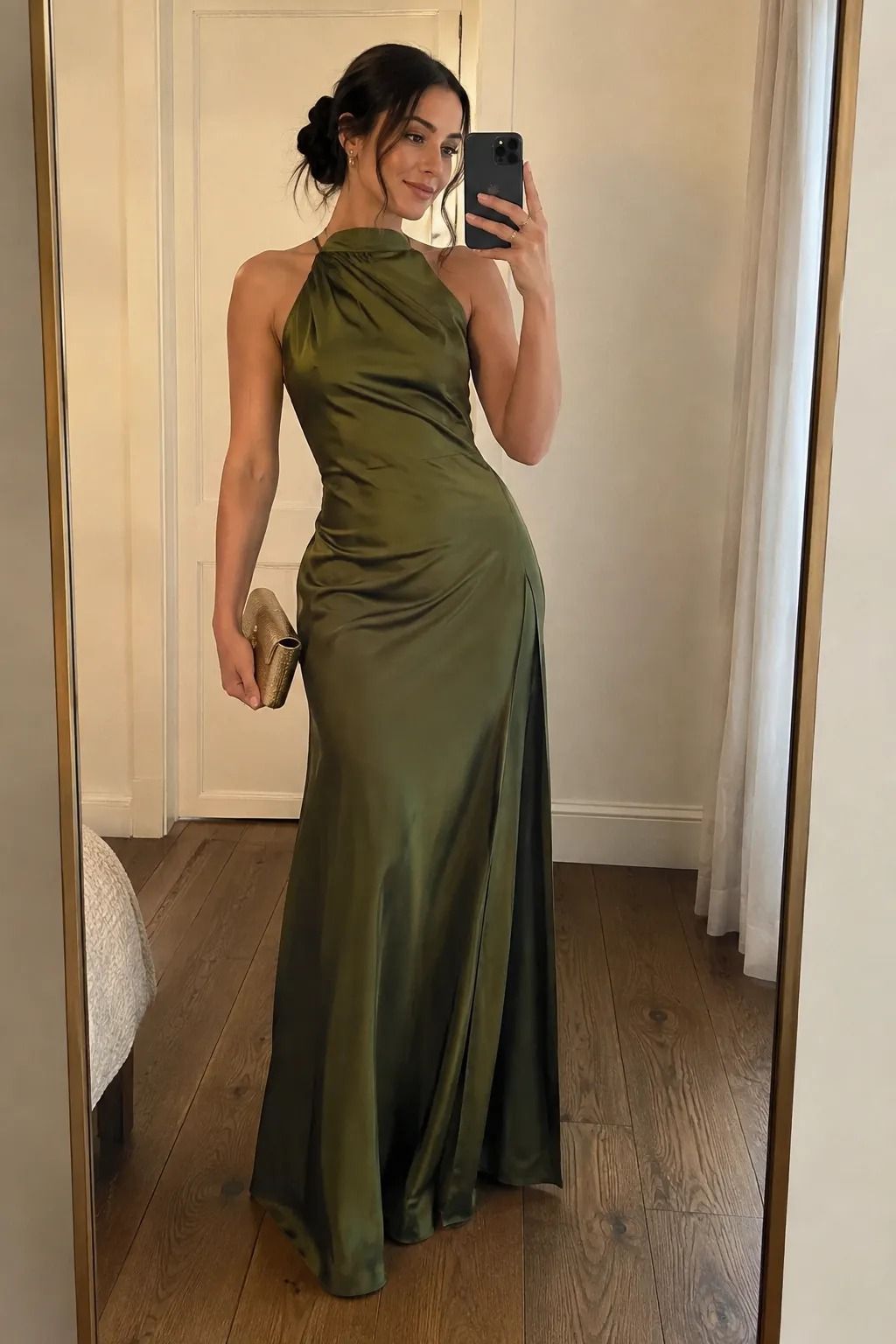
A jacket can be excellent and still look wrong if the trousers break in the wrong place.
3Pair Loafers With Tailored Wedding Trousers
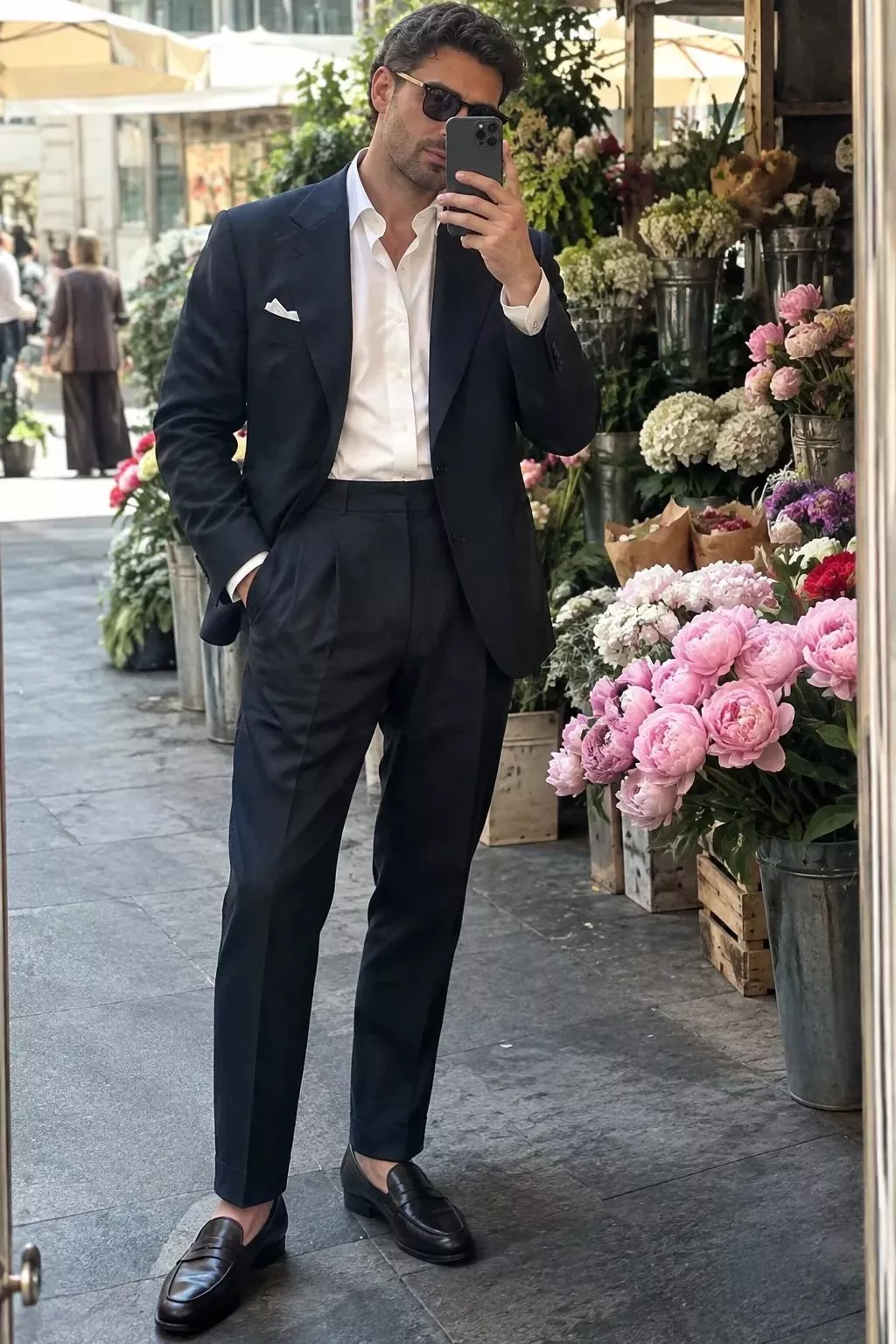
Loafers make formal trousers feel less predictable, but the shoe still needs structure. Start with dark brown penny loafers for navy, tan, olive, or cream trousers.
Black leather works better with charcoal and evening tailoring. You’ll want a low, polished vamp and a shape that doesn’t look like a driving shoe.
Match the trouser break to the loafer. A clean, slight break keeps the ankle line neat, while a cropped trouser can work for a daytime garden wedding if the rest of the outfit is intentionally relaxed.
I’d skip visible novelty socks with a formal look. They pull attention downward and can make your husband’s outfit seem disconnected from the ceremony.
The shoe should look like part of the trouser silhouette rather than a separate accessory. Your eye should move smoothly from hem to toe. For more ceremony styling cues, browse these satin heels worn to summer weddings, then echo the same level of shine in his leather.
4Choose a Tonal Shirt and Blazer
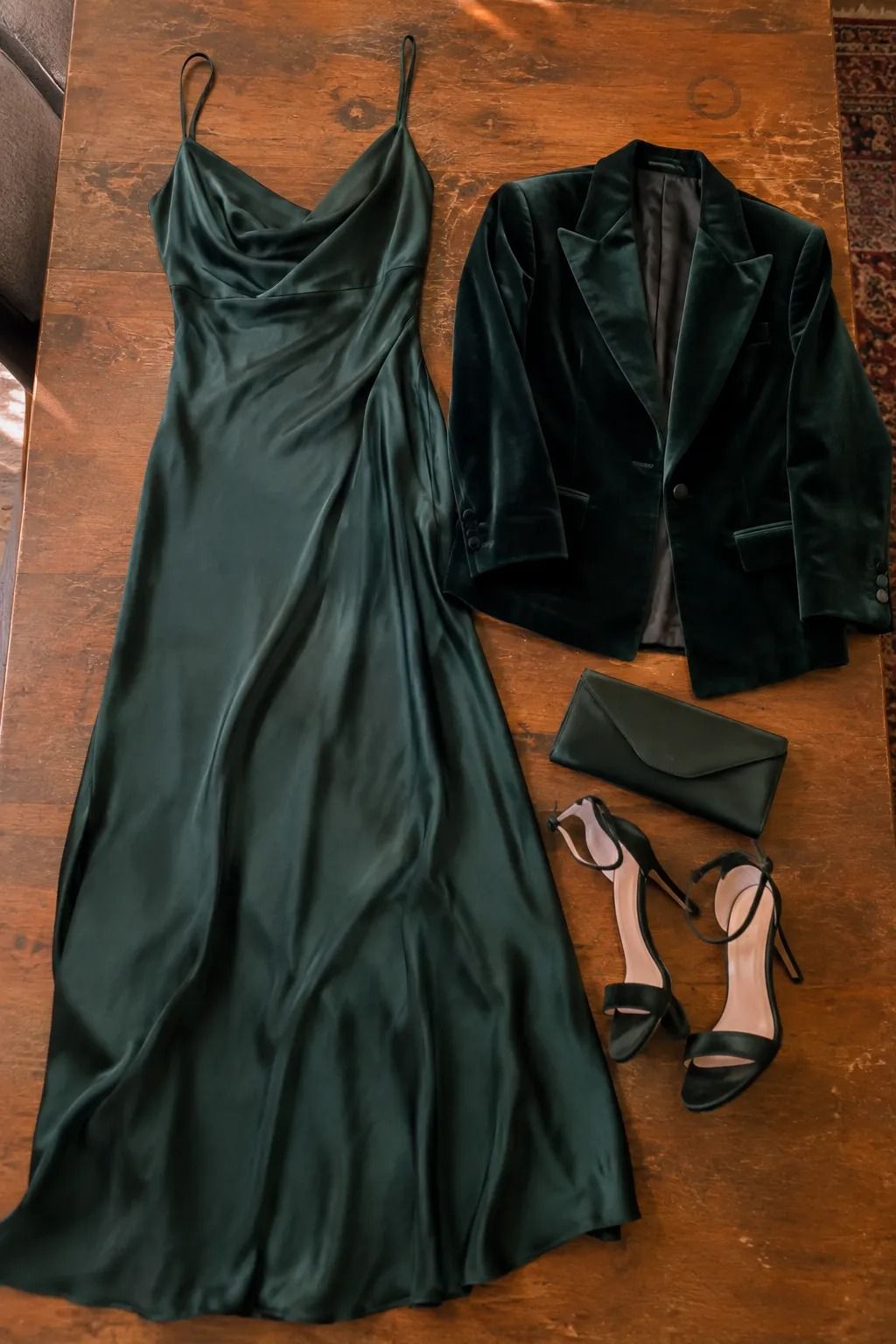
A tonal outfit uses nearby shades instead of sharp contrast. Try a stone cotton-linen shirt under a sand blazer, or a pale blue shirt under a muted slate jacket.
You’ll create a calm, polished look that feels considered without looking overworked. This is particularly useful for outdoor weddings, where harsh contrast can appear stronger in direct light.
Keep the trousers darker than at least one upper layer. If the shirt, blazer, and trousers are all the same depth, your husband’s shape can disappear in photographs. I’d avoid pairing a cream shirt with a cream blazer unless the trousers add clear contrast, because the result can look washed out rather than elegant.
The Three-Tone Balance works well here: one light tone, one middle tone, and one dark grounding piece. Your husband can use brown shoes, a dark belt, or a muted tie as that anchor. The outfit stays soft, but it still has a visible frame.
5The Pocket-Square Pause
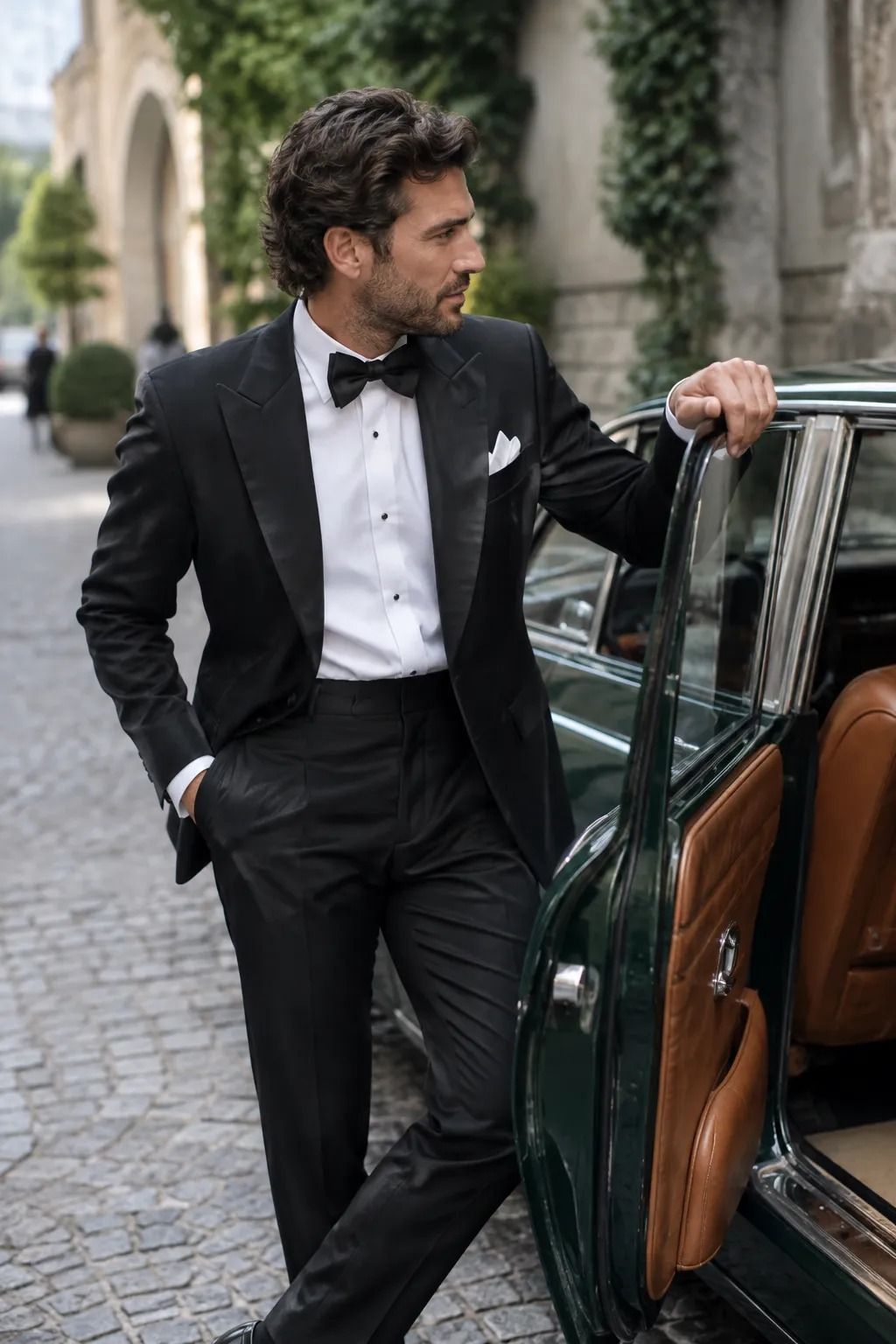
A silk pocket square should support the jacket, not repeat the tie like a uniform.
6Balance Bold Ties With Quiet Shirts
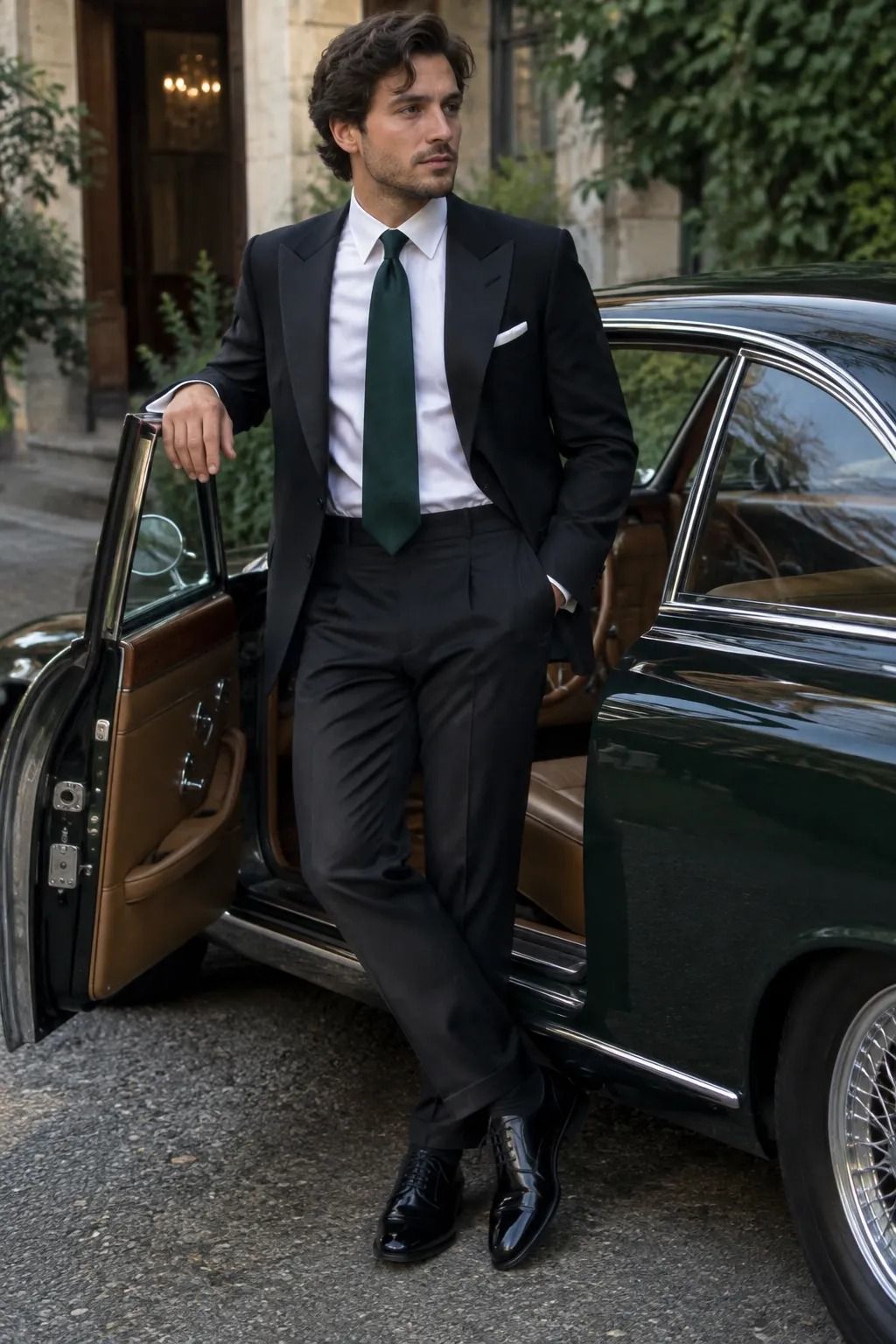
A bold tie works when the shirt gives it room. Pair a burgundy grenadine tie with a white, pale blue, or soft gray shirt, then keep the jacket solid. The woven surface adds depth without the glare of satin.
You’ll get a charming focal point while the overall outfit remains sophisticated.
If your husband wants a pattern, choose one scale at a time. A wide stripe tie with a checked shirt creates too many competing lines, especially in wedding photographs.
I’d skip novelty prints unless the couple has requested a playful dress code. A wedding outfit can feel personal without announcing a joke from several feet away.
The Quiet Shirt Principle gives you an easy decision: let the tie carry the color, and let the shirt carry the light. That’s the whole trick!
Your husband’s face will stay visible, and your own dress won’t have to compete with a crowded pattern. If you’re building a formal pairing, this black-tie wedding guest dress edit shows how restraint can still feel polished.
7Match His Belt to His Shoes
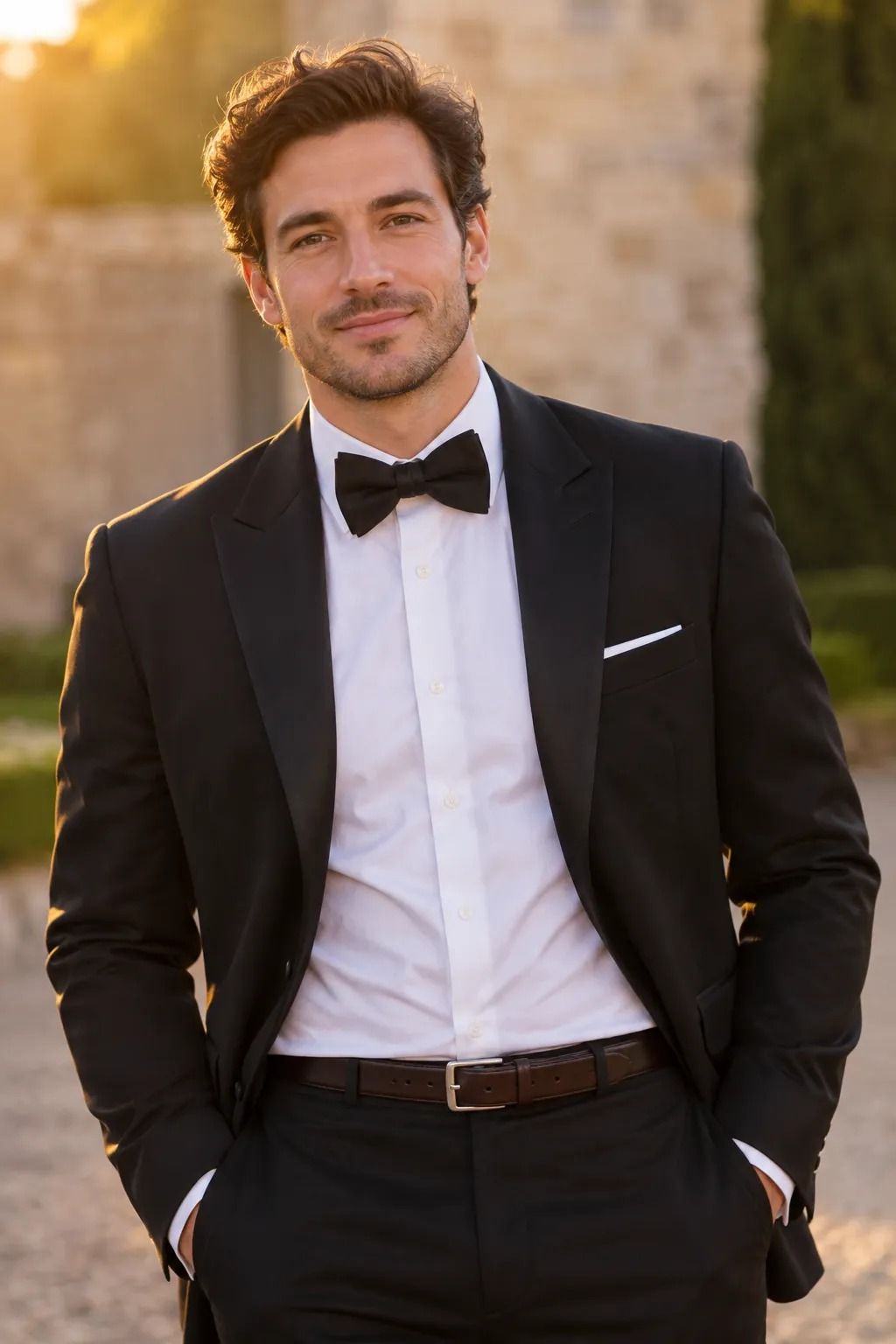
Matching the belt to the shoes sounds basic, but it changes the finish of the entire outfit. Choose full-grain brown leather with a similar depth and sheen for both pieces. A matte belt beside glossy shoes looks accidental, while a highly polished belt beside suede loafers creates an awkward split.
You’ll want the belt buckle to stay quiet. Brushed silver works with cool tailoring, and antique brass can suit warm brown leather, but oversized hardware rarely improves wedding clothing. I’d avoid woven belts for formal or cocktail invitations because the texture reads casual even when the rest of the outfit is polished.
The Leather Echo Rule asks for repetition without exact duplication. Your husband’s shoes and belt should belong to the same material family, while the watch strap or briefcase can repeat one of them lightly. For another lesson in using small reflective details, browse these cool-toned wedding nail designs.
8Layer a Waistcoat Over a Crisp Shirt
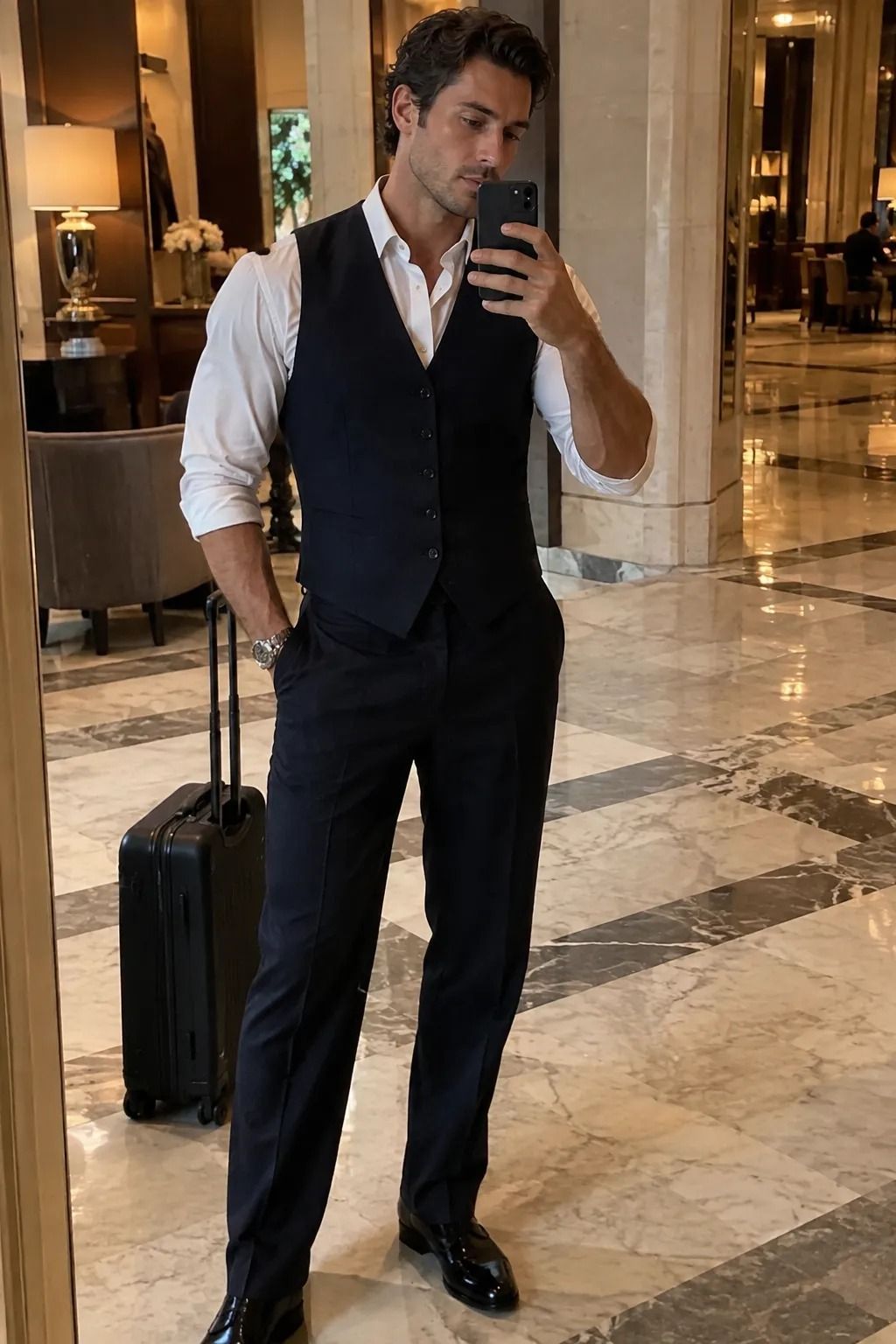
A waistcoat can make separate pieces feel deliberate, especially when your husband doesn’t want to wear a matching three-piece suit. Try a charcoal wool waistcoat over a white shirt with navy or gray trousers. The middle layer adds shape through the torso and gives him something polished to wear after removing the jacket.
The waistcoat should sit close without pulling across the buttons. Leave the bottom button open, and keep the shirt collar firm enough to support a tie.
You’ll want the back of the waistcoat to remain smooth beneath the jacket. I’d skip a contrasting novelty waistcoat for a formal wedding, since it can pull the look toward costume styling.
The Middle Layer Method works because it creates visual structure without extra bulk. Your husband can remove his jacket during dinner and still look dressed. For a couple’s evening palette, this cool-toned wedding beauty trend offers a useful reminder: cool colors can look intimate when their finishes stay controlled.
9Select Linen Without Looking Too Casual
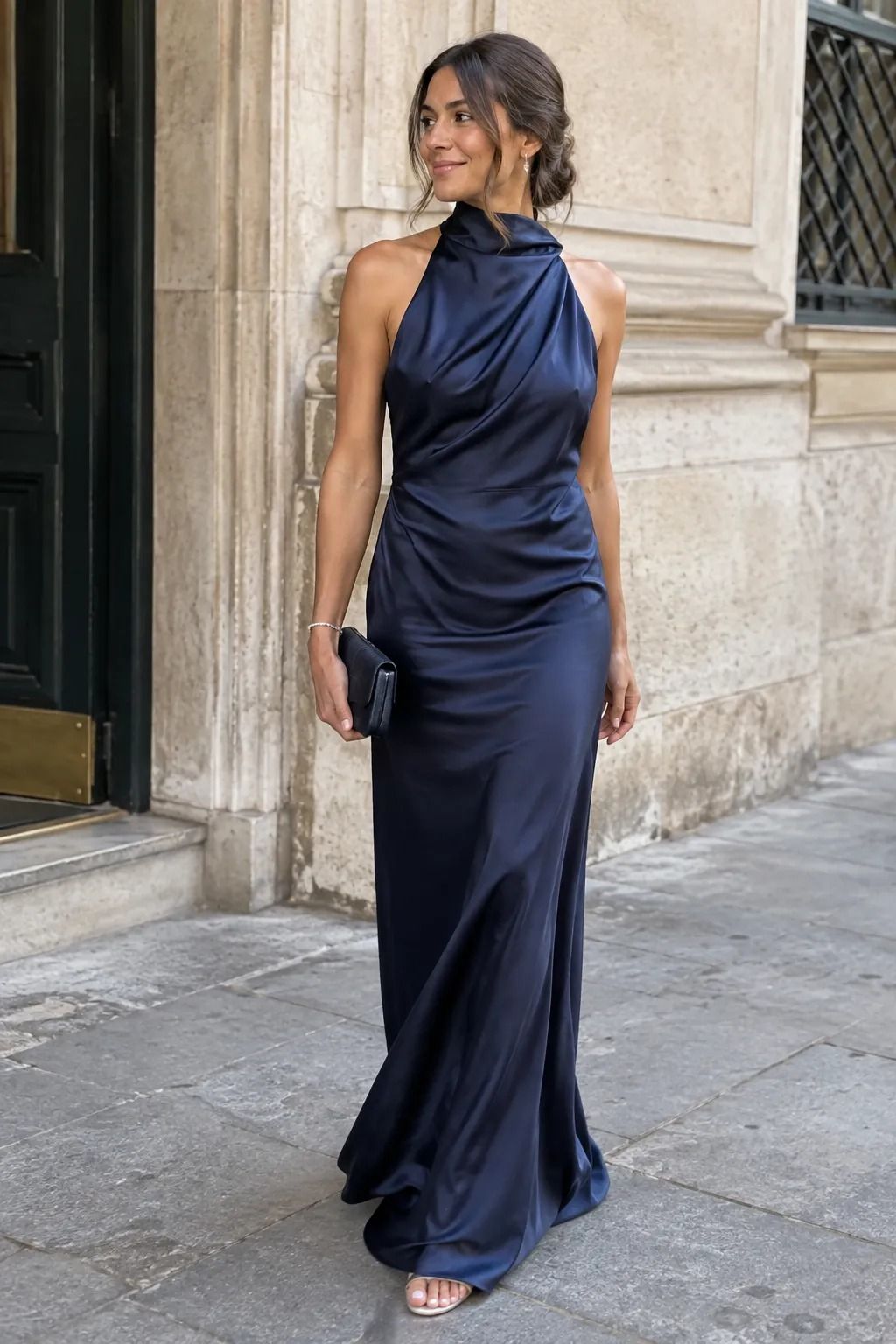
Linen belongs at many summer weddings, but the cut decides whether it looks refined. Choose a linen-wool blend blazer when possible, because the added wool helps the jacket hold its shape. A white or pale blue linen shirt can work beneath it, but the trousers should be tailored enough to keep the outfit grounded.
You’ll need to accept a little texture. Pressed linen still develops soft creases, and that’s part of its appeal. I’d avoid pairing a loose linen shirt with loose linen trousers unless the wedding is explicitly relaxed, because the proportions can look more like vacation clothing than guest attire.
The Pressed Linen Standard is practical: the collar, cuffs, and trouser front should look controlled, while the body of the fabric can move naturally. Your husband will look airy and elegant rather than stiff. If you’re coordinating with a light dress, these summer wedding nail ideas show how a soft base can still have a refined finish.
10Style Knit Polos for Smart Casual Weddings
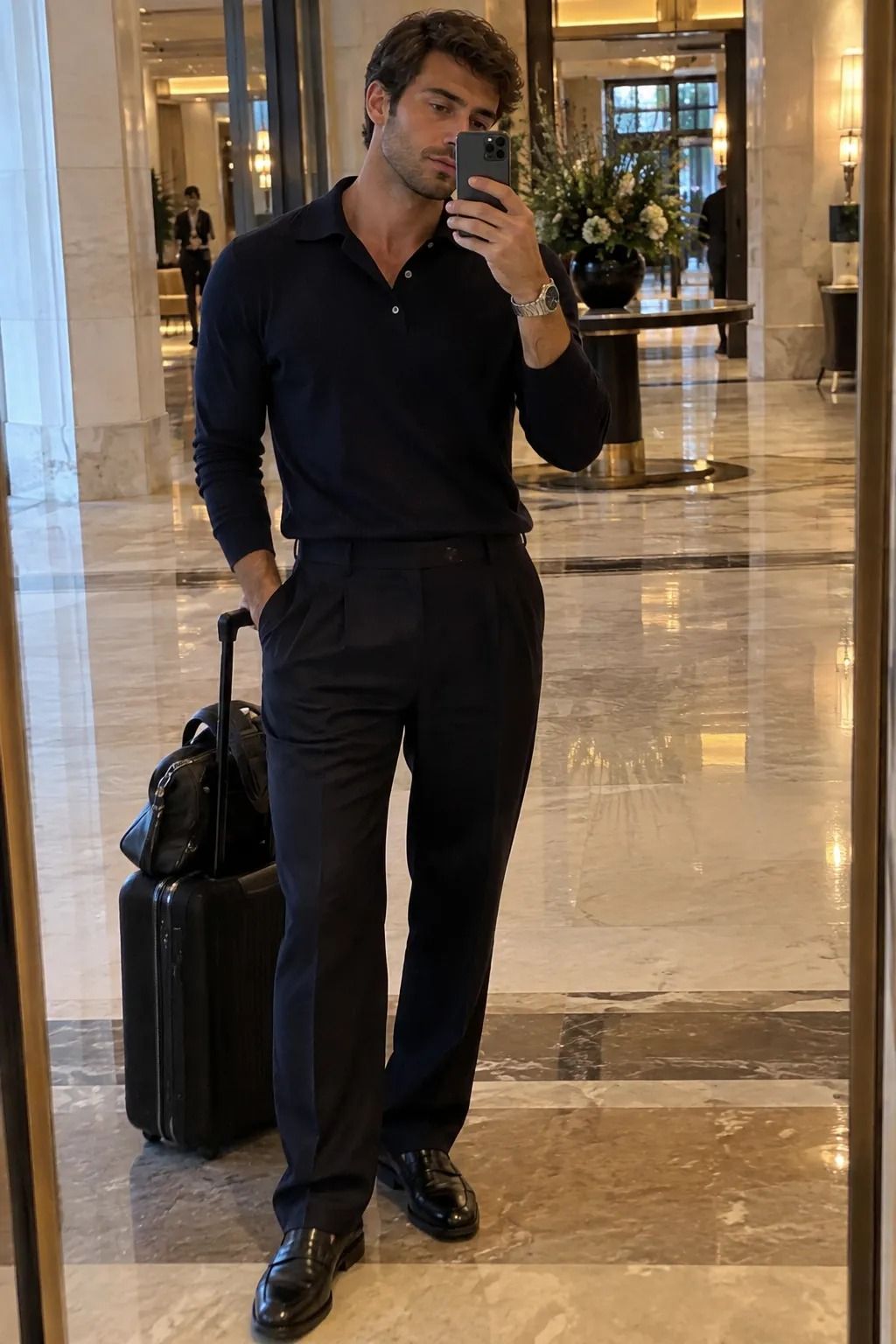
A knit polo gives your husband a relaxed alternative to the standard shirt, but it needs tailoring around it. Choose a merino wool knit polo with a firm collar and a smooth, fine gauge. Pair it with pleated trousers or sharply pressed cotton trousers, then add leather loafers.
You’ll create a smart casual outfit that still respects the occasion.
Keep the polo tucked if the trousers have a higher rise, and leave it untucked only when the hem is short and the jacket is absent. I’d skip athletic sneakers, even clean ones, unless the invitation clearly invites them. Their shape changes the entire message of the outfit.
The Knit Collar Rule says the collar must hold its line when the jacket opens. It’s relaxed, not careless!
Your husband’s outfit will feel modern, warm, and quietly sophisticated rather than office-like. If you’re choosing a richer evening accessory for yourself, these small sequin accessories offer a useful lesson in keeping one detail luminous and the rest restrained.
11When Do Cufflinks Refine Simple Tailoring?
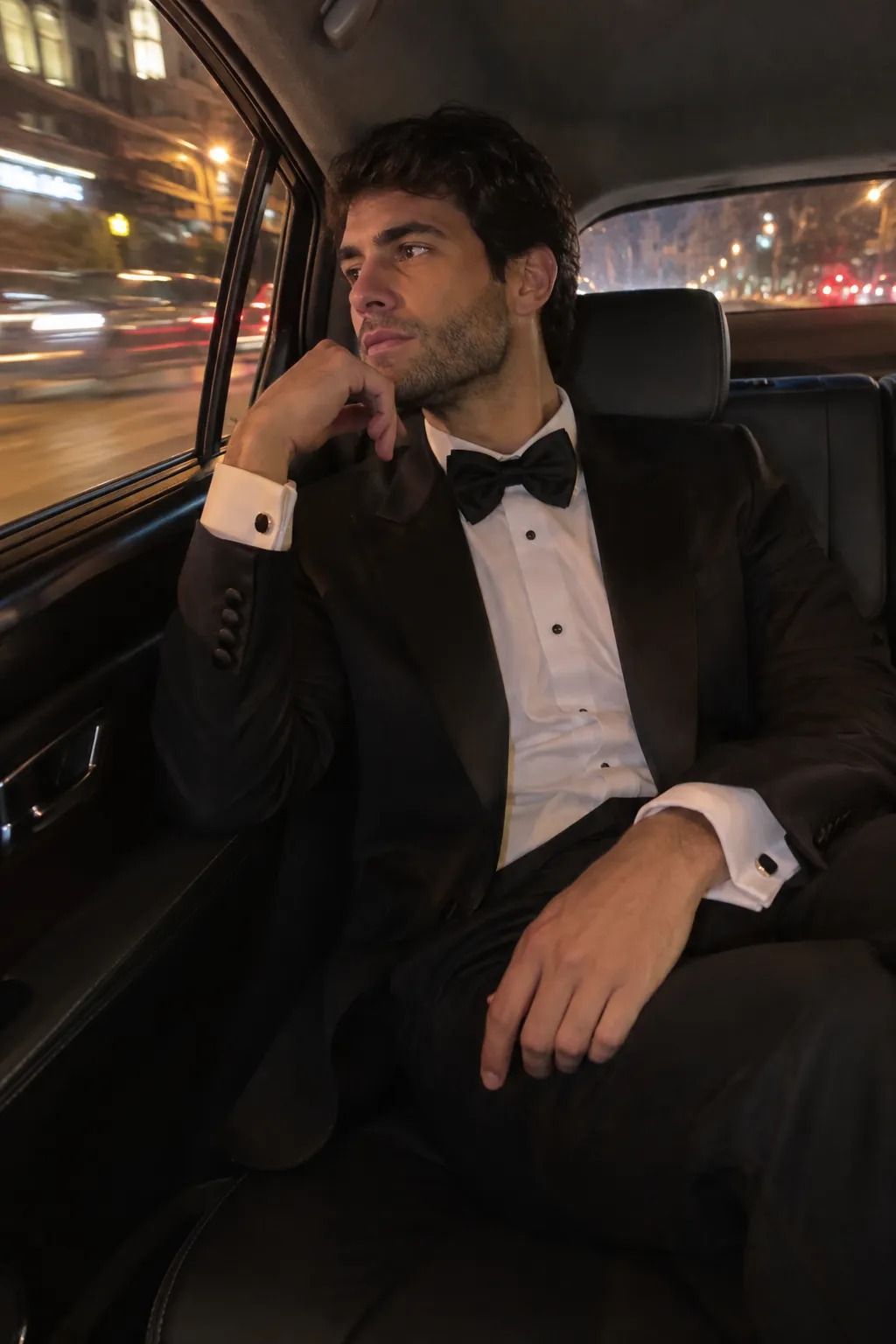
Cufflinks work best when the shirt has French cuffs and the rest of the outfit stays simple.
12Keep Patterns Focused on One Piece
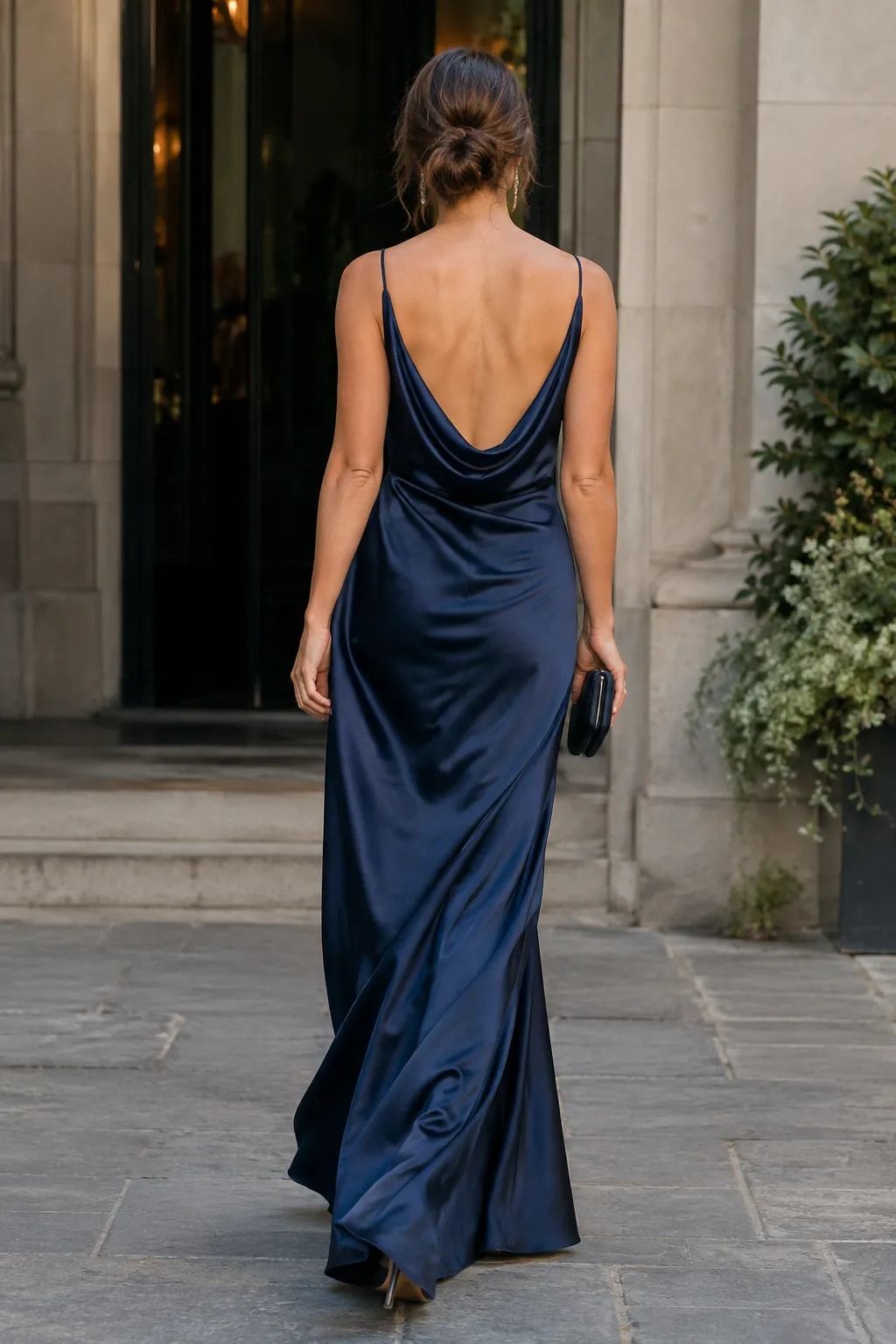
One patterned item is usually enough for a wedding outfit. Start with a micro-check blazer and pair it with solid trousers, a plain shirt, and quiet shoes.
You’ll get visual interest without forcing every element to compete. A small pattern also photographs more cleanly than a large, high-contrast design.
If your husband prefers a patterned shirt, reverse the formula. Keep the blazer and trousers solid, then let the shirt provide the movement. I’d skip patterned trousers with a patterned jacket unless the colors and scale are exceptionally controlled, because the outfit can become busy from every angle.
The One-Pattern Rule gives you a reliable stopping point. Your husband can still look bold, charming, and personal, but your eye will know where to settle. For another example of keeping the main detail focused, compare this wedding guest dress styling with the accessories around it.
13Plan Formal Looks Without Matching Suiting
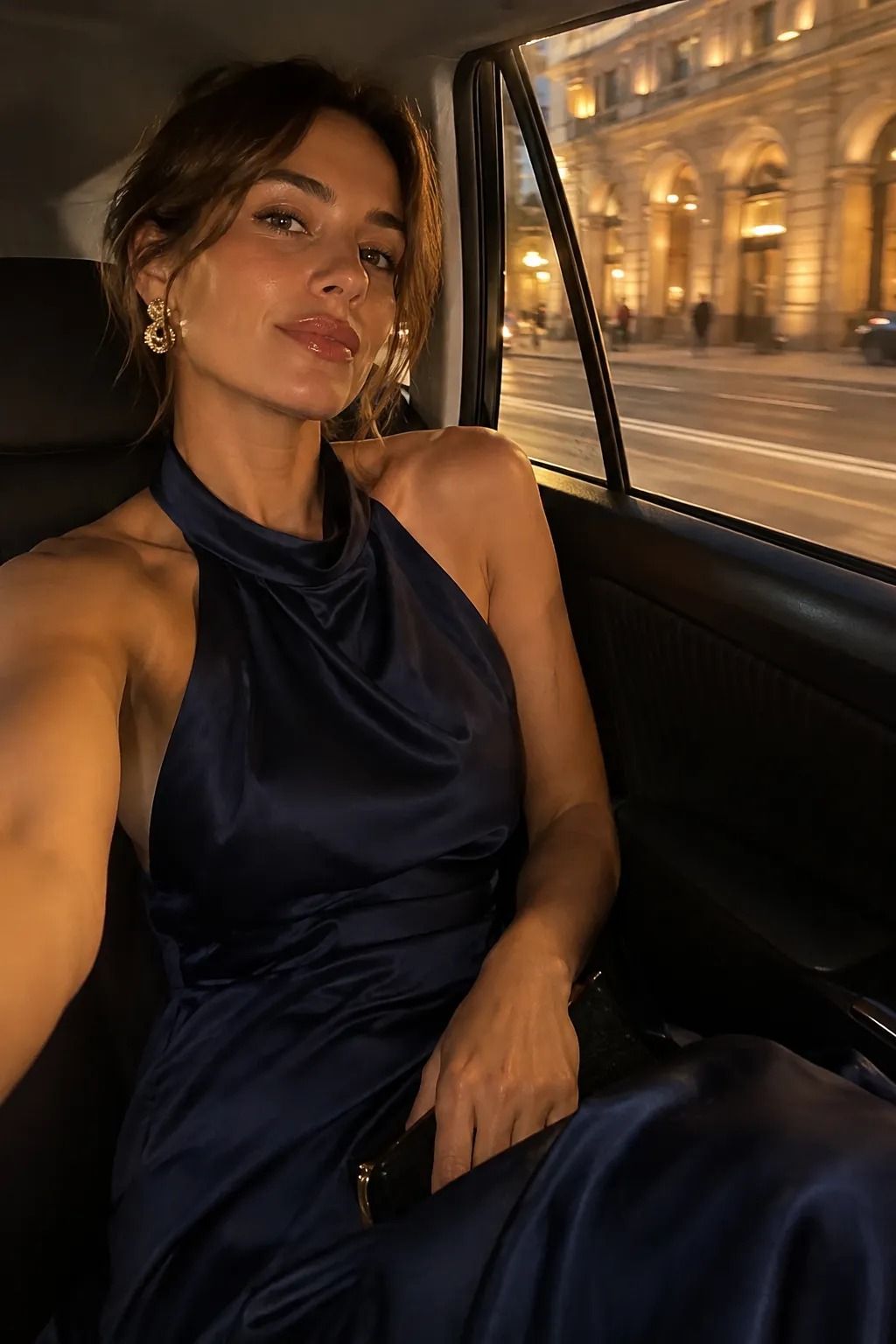
Separate tailoring can look more considered than a matching suit when the colors share the same depth.
14Coordinate His Outfit With Your Dress
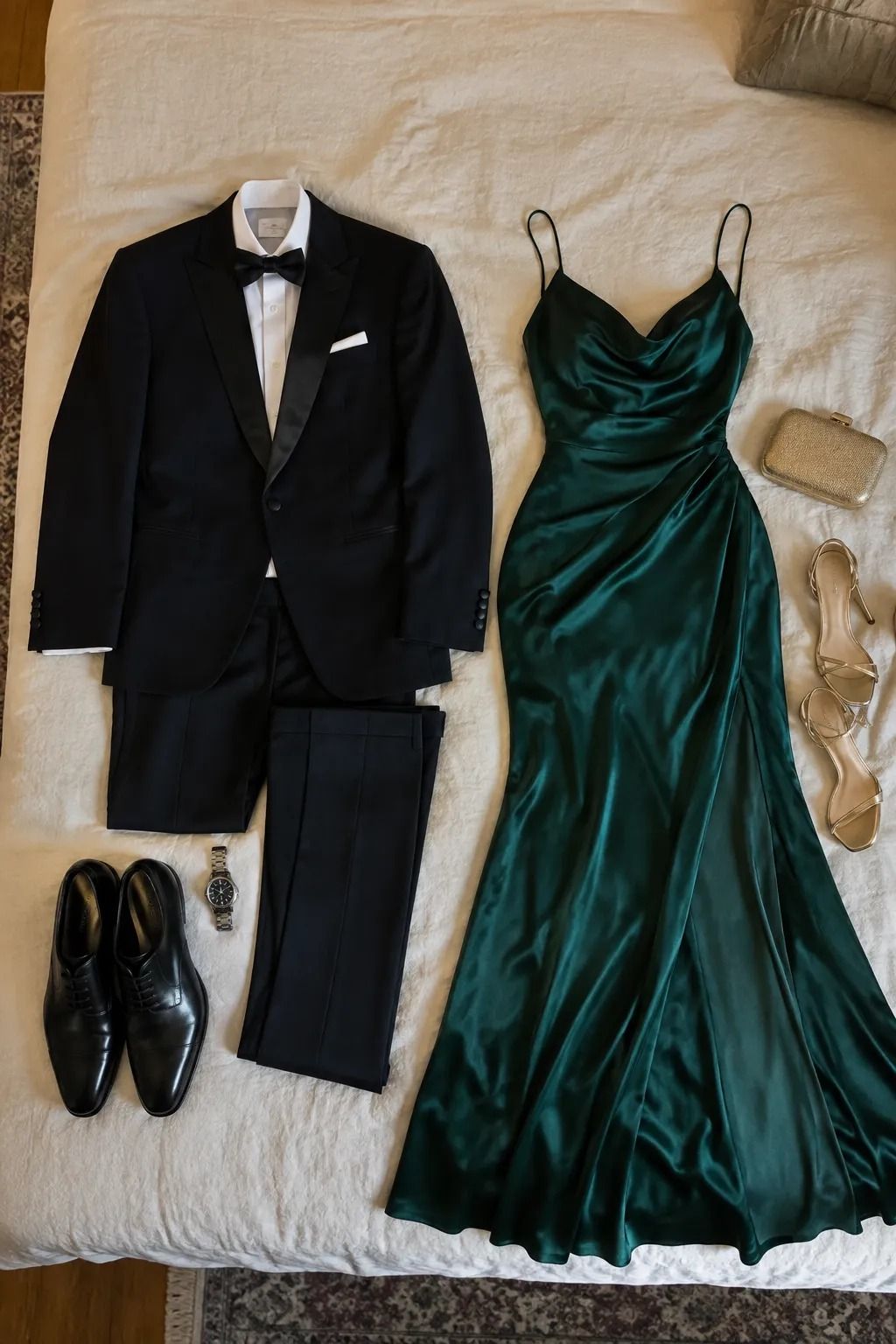
Coordination works best when you share a color family rather than matching exactly. If you’re wearing sage, your husband could use a muted green tie or pocket square.
If your dress is burgundy, he might choose brown leather or a restrained burgundy stripe. You’ll look connected without appearing styled as a costume pair.
Let one person carry the stronger color. If your dress has a bold print, keep his outfit solid and textured.
If your dress is simple, he can use a quiet pattern or richer accessory. I’d skip identical fabrics because velvet beside velvet, or satin beside satin, can look overly planned.
The Shared Accent Method keeps the photographs harmonious. Your husband’s accessory only needs to echo one small color from your outfit, and you don’t need to repeat his tie exactly. If you’re deciding how much sparkle belongs in the couple’s palette, these freestyle swirl wedding nails show how a small motif can bridge two looks.
15Finish His Look With Dress Socks
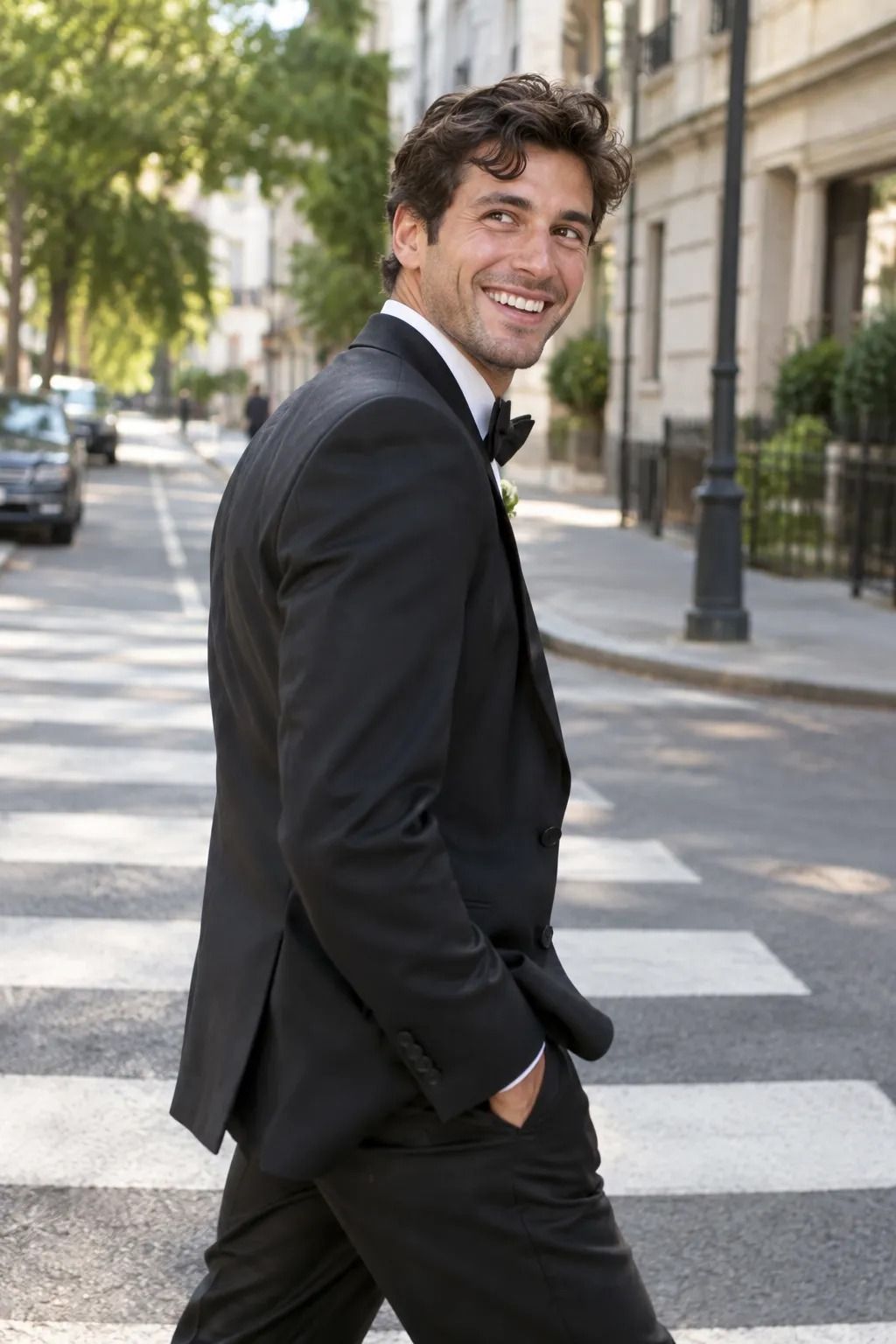
Dress socks are small, but they control the transition between trousers and shoes. Choose fine-gauge cotton socks in a shade close to the trousers for a longer, cleaner leg line. Navy socks with navy trousers are dependable, while burgundy or forest green can add a quiet note when the rest of the outfit is neutral.
Your husband should sit, walk, and cross his legs before leaving home. The sock needs to remain high enough that no skin shows when the trouser hem rises. I’d skip novelty graphics for a formal wedding, even if they seem amusing, because the detail can appear in every seated photograph.
The Sock Continuity Rule is simple: match the sock to the trouser first, then let the shoe provide the contrast. Your husband’s finished outfit will look warm, polished, and intentional from head to toe. For a final accessory comparison, these satin wedding heels show why the last few inches of an outfit deserve as much thought as the statement piece.
The Decision I’d Make Before Shopping
I don’t think your husband needs a closet full of wedding clothing. He needs a reliable way to decide what belongs together.
I’d start with the invitation, then the jacket, then the trouser line, and only after that would I choose the tie or pocket square. That order prevents the usual mistake: buying an exciting accessory and trying to force an outfit around it.
I’ve gone back and forth on whether a traditional suit is easier, and of course it is. But easy isn’t always useful.
A matching suit can hide poor proportions because every piece is supposed to agree. Separate pieces make you look at the actual silhouette, the break at the shoe, and the way the jacket sits across the shoulders.
That extra attention is where the outfit starts to feel personal.
Texture matters more than novelty. A wool-linen blend catches light differently from smooth polyester, and that difference gives a simple outfit depth without shouting. A knit tie, suede loafer, or matte silk square can make familiar tailoring feel fresh.
You’ll notice it when your husband moves, not just when he stands still for a photograph. This black-tie wedding guest guide offers a useful comparison in keeping formal details restrained.
I’d also resist the urge to coordinate every shade with your dress. One shared color is enough.
Your outfit should remain yours, and his should remain his. The best couples’ photographs show two people who belong at the same event, not two outfits that were locked together before either person got dressed.
The same principle applies when choosing satin accessories for a summer wedding.
The small details are where I’d spend the effort. Tailor the trousers.
Press the shirt. Check the belt.
Make sure the socks stay up. None of that sounds dramatic, but it’s what keeps a textured jacket, tonal shirt, or knit polo from looking unfinished. And if you’re unsure, choose the quieter option.
A polished quiet outfit will serve your husband all day, while a loud one can become tiring before dinner.
The Questions I Get Asked Most
What is the best wedding guest outfit for a husband at a small wedding?
A textured navy jacket, pale blue shirt, gray trousers, and brown loafers are a strong starting point because the look feels polished without being stiff. You can change the tie, pocket square, or shoe finish for the venue. If you’re dressing for a formal evening, use this black-tie dress guide to keep the level consistent.
Where can I buy wedding guest outfit pieces on a budget?
Look for separate pieces at department stores, outlet tailoring sections, resale shops, and local vintage stores. You can also check Facebook Marketplace or a quality thrift shop for jackets, then spend your alteration budget on the trousers. Your husband doesn’t need every item to come from the same brand, but the materials should look compatible.
This wedding guest styling example also shows how one strong piece can carry a look.
How much does a wedding guest outfit makeover cost?
The cost depends on what your husband already owns. A free refresh might involve pressing, polishing shoes, and changing the shirt. A moderate update could mean buying one jacket or having trousers altered.
You’ll usually get more visible improvement from tailoring and leather care than from adding several inexpensive accessories, such as the restrained pieces discussed in this evening accessory guide.
Can I create a wedding guest outfit on a budget?
Yes, and you can start with three free choices: use one solid jacket, limit the outfit to one pattern, and match the socks to the trousers. Then spend on one strong item, such as a textured blazer or properly fitted trousers. A second-hand jacket can work well if the shoulders fit and the fabric still holds its shape.
Is a wedding guest outfit worth planning carefully for a small wedding?
Yes, because small weddings put people and clothing closer together. Your husband’s proportions, collar, shoes, and accessories will be visible in more photographs. Choose a clean silhouette and one tactile detail rather than too many decorations.
If you’re coordinating with a dress, borrow only one accent color. These freestyle wedding nail motifs illustrate how a small repeated detail can connect two looks.
Is this approach a good idea for a rental wardrobe?
Yes. Separate pieces make a rental wardrobe more useful because your husband can reuse the jacket, trousers, and shoes at different events.
Choose neutral tailoring, removable accessories, and fabrics that don’t need complicated care. You’ll get more combinations from three shirts and two trousers than from one highly specific matching suit.
A restrained accessory, like those in this sequin styling guide, can change the mood without changing the whole wardrobe.
Where I’d Start First
If I had to pick one step, I’d start with the trousers. A clean hem and balanced silhouette make every jacket look more intentional, while a great jacket can’t rescue bunching fabric.
Check the break, match the shoe finish, then build upward. Start there!
Pin this guide for later and use the invitation as your filter.